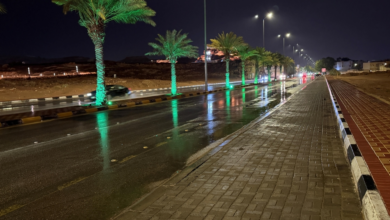
Saudi Arabia's Green Transformation: Environmental Initiatives on the Anniversary of the Pledge of Allegiance

With the anniversary of the pledge of allegiance to His Royal Highness Prince Mohammed bin Salman, Crown Prince and Prime Minister, the spotlight is renewed on the green transformation in Saudi Arabia that the Kingdom is witnessing, following the launch of a series of qualitative initiatives that have placed the environment and sustainability at the heart of national development, most notably the Saudi Green and the Green Middle East Initiative.
These initiatives reflect a strategic direction that links economic growth with the protection of natural resources, in light of increasing climate challenges, as the Kingdom seeks to reduce carbon emissions, increase vegetation cover , and restore ecological balance within an ambitious vision for a more sustainable future for generations to come.
Historical context: Vision 2030 and the launch of the green transformation
The deep roots of this environmental transformation can be traced back to 2016 with the launch of the Kingdom’s Vision 2030, which established a pivotal phase aimed at diversifying the economy and reducing dependence on oil while preserving environmental resources. In 2021, this vision culminated in the launch of the “Saudi Green” and “Green Middle East” initiatives, marking a historic turning point that moved the Kingdom from the planning stage to actual implementation of climate policies, placing it among the world’s leading nations in combating climate change.
Expected impact: local, regional, and international dimensions
Saudi Arabia’s green transformation has multi-layered strategic dimensions. Domestically, these initiatives contribute to improving the quality of life for citizens, creating thousands of green jobs, and protecting the Kingdom’s unique biodiversity. Regionally, Saudi Arabia is leading a massive effort to plant 50 billion trees in the Middle East, fostering regional cooperation to combat sandstorms and drought. Internationally, the Kingdom reaffirms its unwavering commitment to the Paris Climate Agreement, announcing its ambitious goal of achieving net-zero carbon emissions by 2060.
Afforestation efforts and rehabilitation of large areas
Since launching the Saudi Green Initiative, the Kingdom has set broad environmental goals that include planting billions of trees, rehabilitating degraded lands, protecting ecosystems, and promoting sustainability in various development sectors.
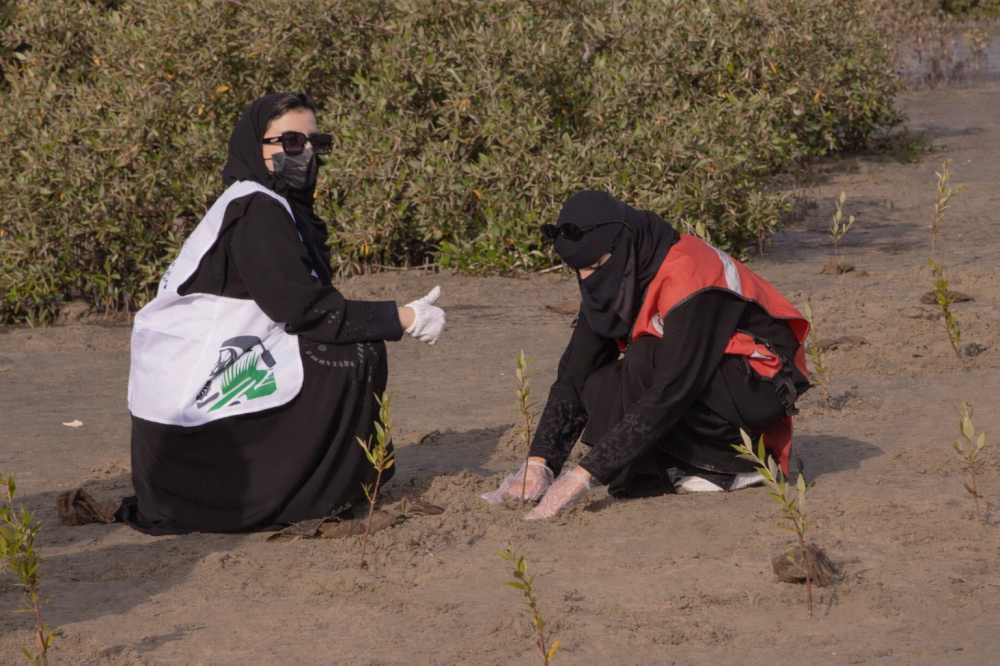
The Middle East Green Initiative seeks to expand these efforts regionally through collaboration with countries in the region, thereby strengthening joint climate action and reducing carbon emissions. This has been reflected in extensive afforestation and vegetation restoration programs across various regions, contributing to improved air quality, reduced desertification, and enhanced biodiversity.
Promoting environmental sustainability and water security
The Director General of the Ministry of Environment, Water and Agriculture branch in the Makkah region, Engineer Walid bin Ibrahim Al-Daghis, affirmed that the Kingdom’s strategies in the fields of environment, agriculture and water reflect an integrated vision aimed at enhancing environmental sustainability and achieving water and food security.
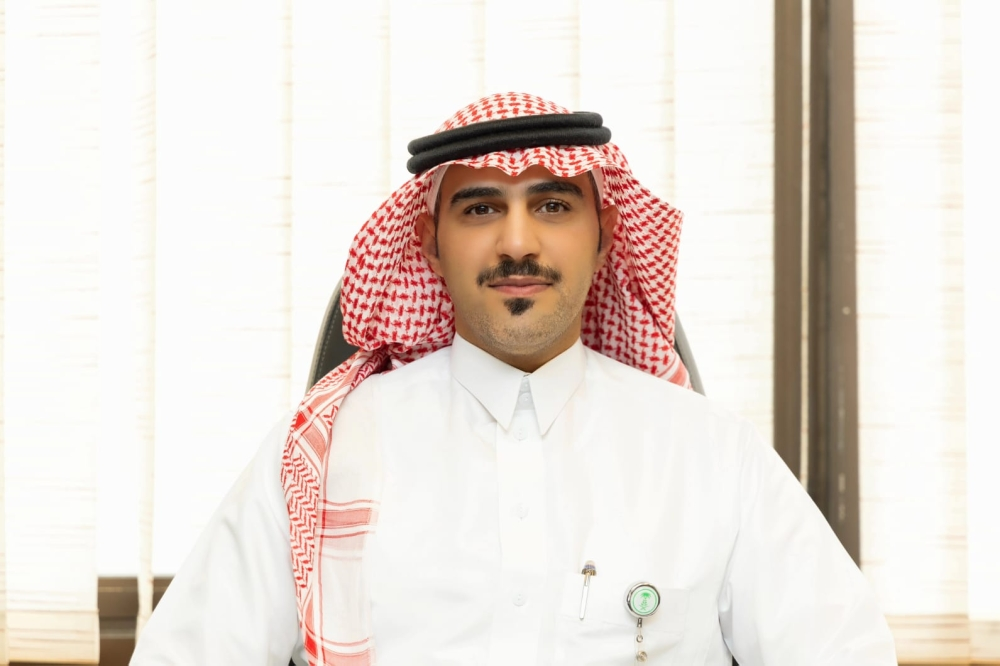
Walid bin Ibrahim Al-Daghis
He explained that the environmental and agricultural achievements during the past years came with direct support from the leadership, and contributed to strengthening the Kingdom’s position internationally in the field of sustainability, noting that the next stage requires continued cooperation between government agencies and society to achieve the desired goals.
Investing in the environment and people
Dr. Ahmed Samman, Deputy Director of the Research Excellence Center for Environmental Studies, pointed out that environmental initiatives have established a new phase of organized work, as afforestation programs have contributed to planting millions of trees and local plants, which helps in restoring the environmental balance and reducing the effects of desertification.
He added that through these initiatives, the Kingdom has been able to launch programs to rehabilitate degraded lands and increase green spaces, which enhances the environment’s ability to cope with climate change, stressing that the approach taken combines environmental and developmental solutions to achieve a sustainable balance between development and environmental protection.
Significant environmental transformations and ongoing development paths
Environmental expert Dr. Sami Mohammed Al-Buraieh praised the environmental transformations taking place in the Kingdom, stressing that the Kingdom has become a regional leader in leading environmental work, as it has moved from the traditional approach to addressing challenges to innovation in managing natural resources.
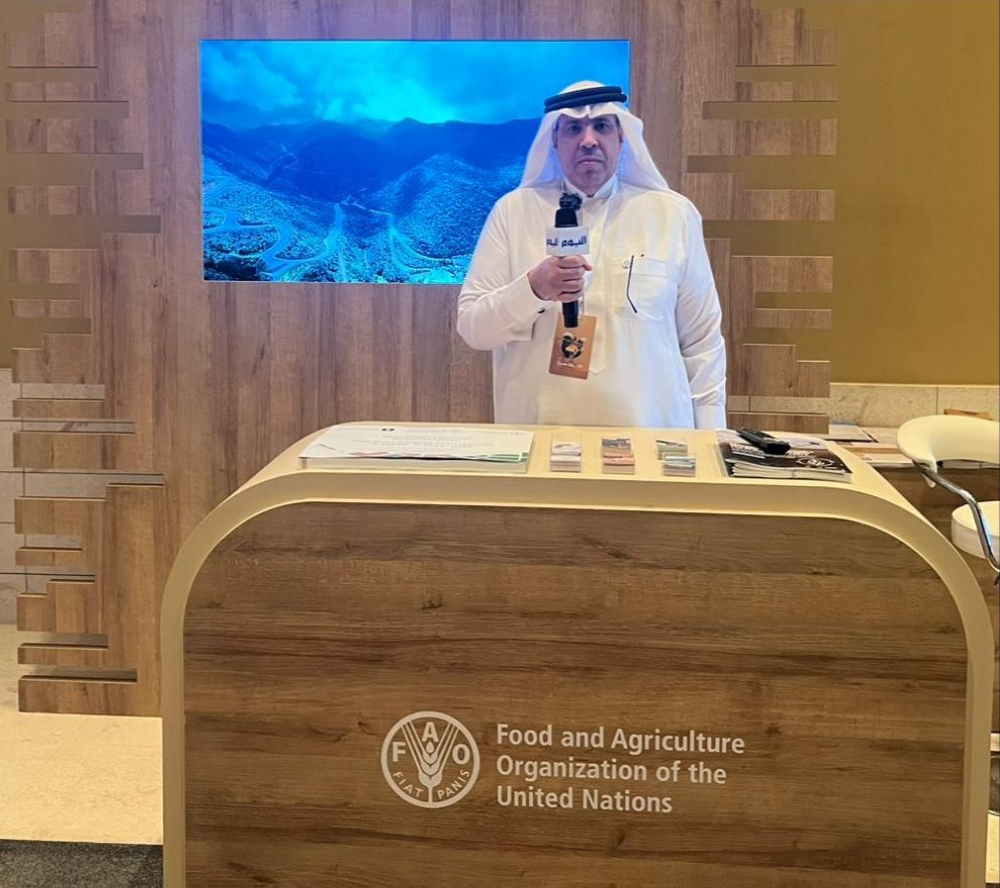
Sami Mohammed Al-Buraieh
He pointed out that the two main initiatives represent a roadmap for confronting climate change and desertification, and enhance food security by raising the efficiency of water use, rehabilitating lands and pastures, and increasing vegetation cover to reduce carbon emissions.
For her part, Dr. Zahra Al-Saffar affirmed that the anniversary of the pledge of allegiance represents a national milestone to recall the journey of transformation, where sustainability has become a firmly established approach that balances economic growth, human well-being, and environmental protection.

Zahraa Al-Saffar
She explained that the Kingdom is presenting a leading regional and international model through its active participation in global environmental initiatives and agreements, stressing that universities, especially King Abdullah University of Science and Technology, play a pivotal role in integrating sustainability into education and scientific research, developing technologies to reduce emissions, promoting clean energy, and protecting ecosystems.
She added that the integration of the national vision, institutional support, and the research role of universities enhances the Kingdom’s ability to achieve sustainable development that preserves natural resources, supports the well-being of society, and consolidates its position as a global model for a more balanced and prosperous future for humanity and the environment.