
مقدمة عن التنسيق السعودي الأردني القطري
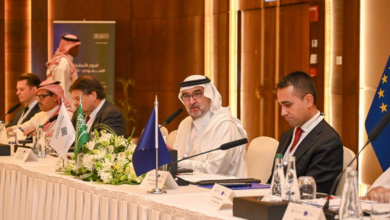
يشهد الشرق الأوسط تحركات دبلوماسية مكثفة، حيث يبرز التنسيق السعودي الأردني القطري كركيزة أساسية لتعزيز أمن المنطقة واستقرارها. يأتي هذا التعاون الثلاثي في وقت تواجه فيه المنطقة تحديات جيوسياسية وأمنية غير مسبوقة تتطلب توحيد الرؤى والجهود المشتركة. إن هذا التنسيق ليس وليد اللحظة، بل هو امتداد لعلاقات تاريخية واستراتيجية عميقة تربط بين الرياض وعمّان والدوحة، وتهدف في مجملها إلى حماية المصالح العربية العليا ومواجهة التهديدات المشتركة.
السياق العام والخلفية التاريخية
وفي سياق الحديث عن السياق العام والخلفية التاريخية لهذا الحدث، نجد أن المملكة العربية السعودية والمملكة الأردنية الهاشمية ودولة قطر طالما لعبت أدواراً محورية في صياغة المشهد السياسي العربي. تاريخياً، ارتبطت دول الخليج العربي، وعلى رأسها السعودية وقطر، بعلاقات وثيقة مع الأردن الذي يمثل عمقاً استراتيجياً وأمنياً للمنطقة. ومع تصاعد الأزمات الإقليمية، بدءاً من القضية الفلسطينية وما تشهده غزة من تطورات، وصولاً إلى التوترات في البحر الأحمر ومناطق النزاع الأخرى، بات من الضروري إيجاد آلية تنسيق عالية المستوى. هذا التحرك الدبلوماسي يعكس إدراكاً عميقاً لخطورة المرحلة، وضرورة الانتقال من ردود الأفعال إلى الفعل الاستباقي من خلال بلورة موقف عربي موحد قادر على التعامل مع المتغيرات الدولية والإقليمية بكفاءة.
أهمية الحدث وتأثيره المتوقع
تبرز أهمية هذا التنسيق الثلاثي وتأثيره المتوقع على عدة مستويات. على المستوى المحلي لكل دولة، يساهم هذا التعاون في تعزيز الاستقرار الداخلي وحماية الحدود، فضلاً عن فتح آفاق جديدة للتعاون الاقتصادي والاستثماري الذي ينعكس إيجاباً على شعوب الدول الثلاث. أما على المستوى الإقليمي، فإن التنسيق السعودي الأردني القطري يشكل حائط صد منيع ضد محاولات التدخل الخارجي في الشؤون العربية. كما يساهم في خفض التصعيد في بؤر التوتر، ويدعم جهود الوساطة التي تقودها هذه الدول، حيث تمتلك كل من الدوحة والرياض وعمّان خبرات واسعة في رعاية الحوارات الإقليمية وتقديم المساعدات الإنسانية.
التأثير على المستوى الدولي
وعلى الصعيد الدولي، يبعث هذا التنسيق برسالة قوية وواضحة للمجتمع الدولي مفادها أن الدول العربية قادرة على أخذ زمام المبادرة لحل أزماتها بنفسها. إن توحيد المواقف بين السعودية والأردن وقطر يعزز من ثقل العالم العربي في المحافل الدولية، ويجعل من هذه الدول شركاء موثوقين في إرساء دعائم السلم والأمن العالميين. إن المجتمع الدولي ينظر باهتمام بالغ إلى هذه التحركات، خاصة وأن الدول الثلاث تمتلك ثقلاً سياسياً واقتصادياً كبيراً يؤهلها للتأثير في القرارات الأممية المتعلقة بالشرق الأوسط.
الرؤية المستقبلية للعمل العربي المشترك
ختاماً، يمكن القول إن التنسيق السعودي الأردني القطري لتعزيز أمن المنطقة يمثل خطوة استراتيجية في الاتجاه الصحيح نحو تفعيل العمل العربي المشترك. إن استمرار هذه اللقاءات والمشاورات سيمهد الطريق لمرحلة جديدة من التكامل العربي، مرحلة تقوم على المصالح المشتركة والاحترام المتبادل، وتؤسس لمستقبل أكثر أمناً وازدهاراً للأجيال القادمة في ظل التحديات العالمية المتسارعة.