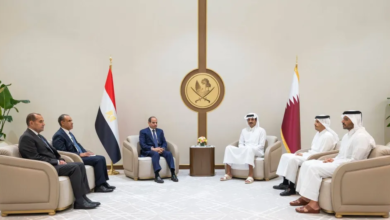
Saudi Arabia and Kuwait: Targeting vital facilities threatens regional security

A firm Saudi-Kuwaiti stance to protect the region's security
The Kingdom of Saudi Arabia and the State of Kuwait affirmed in a joint and firm stance that targeting vital and civilian infrastructure constitutes a direct and serious threat to the security and stability of the entire region. This agreement comes within the framework of ongoing coordination between the two brotherly countries to enhance regional security and protect economic assets that play a pivotal role in the stability of global markets.
General context and historical background of the event
Historically, the Arabian Gulf region has faced several security challenges, including repeated attempts to target energy infrastructure and vital facilities. Perhaps the most prominent of these events were the attacks on Saudi Aramco's oil facilities in Abqaiq and Khurais in 2019, which demonstrated to the world the sensitivity of these facilities and their direct impact on global energy supplies. Since then, the Gulf Cooperation Council (GCC) countries, particularly Saudi Arabia and Kuwait, have intensified their diplomatic and security efforts to build strong alliances capable of deterring any potential attacks. Saudi-Kuwaiti relations are based on deep historical ties and a shared destiny, making coordination between them on security issues a strategic imperative in light of escalating geopolitical tensions.
The importance of the event and its expected impact on various levels
Local and regional impact
At both the local and regional levels, this unified stance sends a clear message that any attack on vital infrastructure is a red line that cannot be tolerated. This consensus strengthens the internal cohesion of the Gulf Cooperation Council (GCC) states and underscores the principle of collective defense. It also reassures investors and local markets that the Gulf leadership prioritizes the protection of economic and civil assets, thus supporting sustainable development initiatives and economic transformation visions in both countries, such as Saudi Arabia’s Vision 2030 and Kuwait’s Vision 2035.
International and economic impact
Internationally, these statements carry significant weight given Saudi Arabia and Kuwait's prominent position as leading oil producers and exporters. Any threat to vital infrastructure in these two countries would not only have repercussions within the region but would also strike at the heart of the global economy. The stability of energy supplies is a cornerstone of international economic growth, and any disruption or threat to these supplies would immediately lead to sharp fluctuations in global oil prices. Therefore, the Saudi-Kuwaiti stance represents a clear call to the international community to uphold its responsibilities in maintaining international peace and security and to stand firmly against any entities or militias seeking to destabilize the region and threaten maritime navigation and energy supplies.
Summary of the strategic position
In conclusion, the Saudi-Kuwaiti emphasis on considering the targeting of vital facilities a regional threat reflects a profound strategic vision that recognizes the magnitude of the surrounding challenges. The two countries are working hand in hand with regional and international partners to ensure a safe and stable environment, free from terrorist and subversive threats, thereby guaranteeing the continued flow of energy and the prosperity of the peoples of the region and the world at large.