
A tragic incident occurred Tuesday in Pierce County, Washington, in the western part of the state, resulting in the deaths of four people in a stabbing attack. The suspect was subsequently shot and killed by police. The incident has shaken the local community in Tacoma, where a routine police response turned into a bloody crime scene.
Details of the incident and police intervention
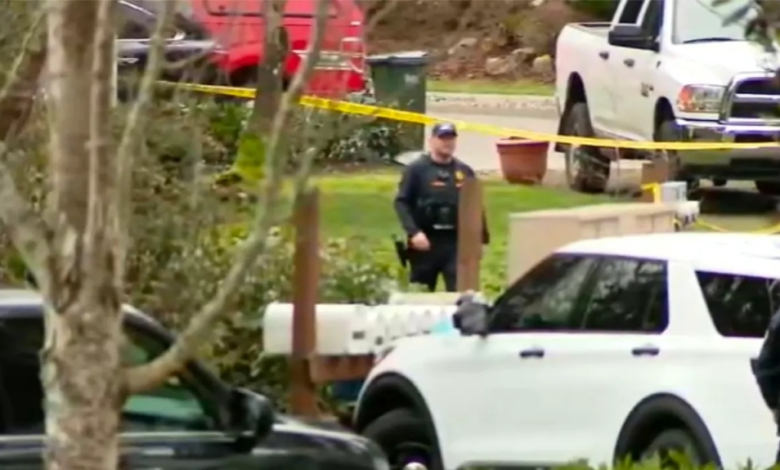
According to local authorities and the Pierce County Sheriff's Office, the incident began when officers received reports of a man believed to be violating a restraining order at a home near Tacoma. In an official statement posted on Facebook, the sheriff's office explained that as patrols arrived at the location at 9:30 a.m., they received calls from witnesses who reported that the man had stabbed people outside the house.
The security statement noted the rapid response of the forces, with a police officer arriving at the scene and engaging the suspect. A second shooting was reported at 9:33 a.m., just minutes after the initial report. The confrontation resulted in the death of the suspect, a 32-year-old man, at the scene.
Victims and final toll
Police confirmed in a statement that the incident resulted in the deaths of four people, including the suspect. A fifth person was rushed to the hospital for treatment, but authorities later announced his death from his severe injuries, adding to the tragedy that has befallen the region.
The context of domestic violence and deportation orders
This incident highlights the issue of restraining orders in the United States, which are typically issued in cases of domestic violence or personal threats. Crime statistics in the US indicate that the moment these orders are violated is often the most dangerous, as disputes can escalate to violent levels, as appears to have happened in the Tacoma incident. Responding to domestic violence reports is considered one of the most dangerous tasks that American police face daily.
Security and societal impact
This incident is a major shock to the residents of Pierce County and the city of Tacoma, urban areas in Washington state that face varying levels of security challenges. Such violent crimes, occurring in broad daylight and in front of residential homes, typically raise concerns among residents about public safety. Authorities are expected to launch a comprehensive investigation to determine the full motive behind the crime and review response protocols, while psychological support is being provided to the victims' families and the community affected by this sudden violence.