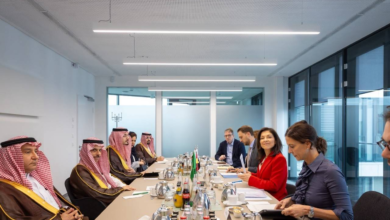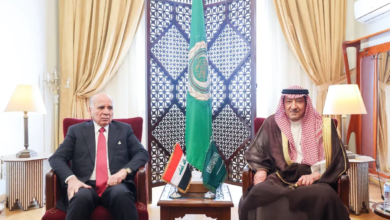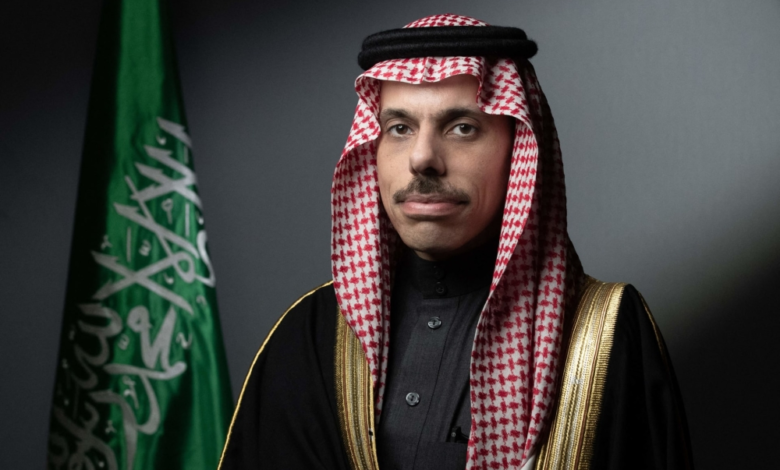

في خطوة تعكس عمق التنسيق والتشاور المستمر بين الرياض والكويت، تلقى صاحب السمو الأمير فيصل بن فرحان بن عبدالله، وزير الخارجية السعودي، اتصالاً هاتفياً من نظيره الكويتي، الشيخ عبدالله علي اليحيا، وزير الخارجية في دولة الكويت. وتركز الاتصال بشكل أساسي على استعراض آخر المستجدات الإقليمية والجهود المبذولة للتعامل معها، بما يخدم مصالح البلدين الشقيقين ويعزز الأمن والاستقرار في المنطقة.
يأتي هذا الاتصال في ظل ظروف إقليمية ودولية بالغة التعقيد، حيث تواجه منطقة الخليج والشرق الأوسط تحديات متصاعدة تتطلب أعلى درجات التنسيق بين دول مجلس التعاون الخليجي. وتُعد العلاقات السعودية الكويتية نموذجاً للعلاقات الأخوية الراسخة، المبنية على روابط تاريخية وثقافية ومصير مشترك، وهو ما يجعل التنسيق الدبلوماسي بينهما حجر زاوية في منظومة العمل الخليجي المشترك.
تنسيق خليجي مشترك لمواجهة المستجدات الإقليمية
إن مناقشة المستجدات الإقليمية بين الوزيرين لا تقتصر على كونها إجراءً بروتوكولياً، بل هي جزء من آلية عمل متكاملة تهدف إلى توحيد المواقف والرؤى تجاه القضايا الحيوية. وتشمل هذه القضايا على الأرجح التطورات المتعلقة بالأمن البحري في الخليج العربي ومضيق هرمز، والملف النووي الإيراني، والأوضاع في اليمن وسوريا، بالإضافة إلى القضية الفلسطينية التي تحتل أولوية دائمة في السياسة الخارجية لدول الخليج. ويهدف هذا التشاور إلى بلورة موقف خليجي موحد يمكنه التأثير بفاعلية في المحافل الدولية والدفاع عن المصالح الاستراتيجية للمنطقة.
أهمية استراتيجية لتعزيز الاستقرار الإقليمي
يكتسب هذا التواصل الدبلوماسي أهمية خاصة في ظل التحولات التي يشهدها العالم، حيث تسعى المملكة العربية السعودية والكويت، مع بقية دول مجلس التعاون، إلى لعب دور محوري في تهدئة التوترات وتعزيز الحلول السلمية للنزاعات. إن الجهود التي تبذلها الدبلوماسية في البلدين تهدف إلى تحصين البيت الخليجي من التداعيات السلبية للأزمات المحيطة، وضمان استمرارية النمو الاقتصادي والازدهار لشعوب المنطقة. ويعكس الاتصال حرص القيادتين على استمرار التشاور وتبادل وجهات النظر، بما يضمن اتخاذ قرارات متناغمة تخدم الأمن القومي للبلدين وتساهم في تحقيق السلام الإقليمي والدولي.