
مقدمة عن إطلاق الخرائط التفاعلية ثلاثية الأبعاد
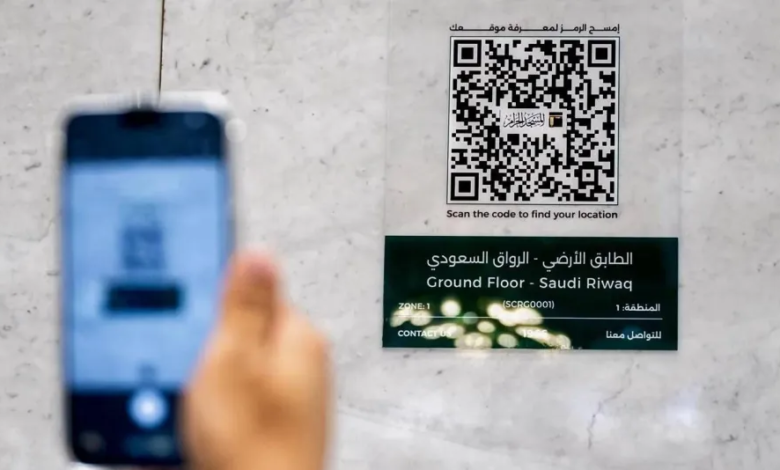
في خطوة رائدة تعكس التطور التقني المستمر، أطلقت المملكة العربية السعودية ممثلة في الجهات المعنية بخدمة ضيوف الرحمن، خدمة الخرائط التفاعلية ثلاثية الأبعاد لتيسير تنقل قاصدي الحرمين الشريفين. تهدف هذه المبادرة التقنية الحديثة إلى تقديم تجربة استثنائية للحجاج والمعتمرين والزوار، مما يسهل عليهم الوصول إلى مختلف المرافق والخدمات داخل المسجد الحرام في مكة المكرمة والمسجد النبوي في المدينة المنورة بكل يسر وسهولة.
السياق العام والخلفية التاريخية لخدمة ضيوف الرحمن
على مر التاريخ، أولت المملكة العربية السعودية اهتماماً بالغاً وعناية فائقة بالحرمين الشريفين وقاصديهما. منذ عهد الملك المؤسس عبدالعزيز آل سعود، وصولاً إلى العهد الزاهر لخادم الحرمين الشريفين الملك سلمان بن عبدالعزيز وولي عهده الأمين، شهدت مكة المكرمة والمدينة المنورة أكبر توسعات في التاريخ الإسلامي. في الماضي، كان إرشاد الحجاج يعتمد بشكل أساسي على اللوحات الإرشادية التقليدية والجهود البشرية المباشرة من قبل المطوفين والمرشدين. ومع تزايد أعداد الوافدين لأداء مناسك الحج والعمرة عاماً بعد عام، برزت الحاجة الماسة لابتكار حلول متطورة تواكب هذا التوسع الهائل وتضمن انسيابية الحركة وتمنع التكدس.
التحول الرقمي ورؤية السعودية 2030
تأتي خطوة إطلاق الخرائط التفاعلية ثلاثية الأبعاد منسجمة تماماً مع مستهدفات رؤية السعودية 2030، وتحديداً برنامج خدمة ضيوف الرحمن الذي يسعى إلى إحداث نقلة نوعية في تجربة الحج والعمرة. يعتمد هذا التحول على توظيف أحدث التقنيات الرقمية والذكاء الاصطناعي والتطبيقات الذكية لتسهيل الإجراءات وإثراء الرحلة الدينية والثقافية للمسلمين من جميع أنحاء العالم. إن دمج التكنولوجيا المتقدمة في إدارة الحشود وتقديم الخدمات يعكس التزام المملكة بتقديم أرقى مستويات الرعاية والضيافة.
مميزات الخرائط التفاعلية ثلاثية الأبعاد
تتميز الخرائط التفاعلية الجديدة بتقديم محاكاة دقيقة وثلاثية الأبعاد لساحات وأروقة الحرمين الشريفين. تتيح هذه التقنية للمستخدمين معرفة مواقع الأبواب، ومسارات الطواف والسعي، وأماكن توزيع مياه زمزم، والمرافق الصحية، والعيادات الطبية، ومسارات العربات المخصصة لكبار السن وذوي الإعاقة. كما تدعم هذه الخرائط لغات عالمية متعددة، مما يكسر حاجز اللغة ويجعل المعلومات في متناول جميع الزوار بغض النظر عن جنسياتهم، ويمكن الوصول إليها عبر الهواتف الذكية بكل سهولة.
أهمية الحدث وتأثيره المتوقع
يحمل إطلاق هذه الخدمة أهمية بالغة وتأثيرات إيجابية متعددة الأبعاد:
- التأثير المحلي: يسهم النظام الجديد في دعم جهود الجهات الأمنية والتنظيمية في إدارة الحشود بكفاءة عالية، مما يقلل من حالات الازدحام والاختناقات، ويرفع من مستوى الأمن والسلامة داخل الحرمين الشريفين. كما يساعد في التوزيع الأمثل للموارد البشرية والخدمية.
- التأثير الإقليمي والدولي: ينعكس هذا التطور بشكل مباشر على ملايين المسلمين القادمين من مختلف دول العالم. فهو يقلل من رهبة المكان للمرة الأولى، ويمنح الزائر استقلالية تامة في التنقل، مما يوفر وقته وجهده ليقضيه في العبادة والطمأنينة. كما يعزز من الصورة الذهنية العالمية للمملكة كدولة رائدة في تسخير التكنولوجيا لخدمة الإنسانية والدين.
خاتمة
في الختام، يمثل إطلاق الخرائط التفاعلية ثلاثية الأبعاد في الحرمين الشريفين علامة فارقة في مسيرة التحول الرقمي لخدمات الحج والعمرة. إنها ليست مجرد أداة تقنية، بل هي جسر يربط بين عراقة المكان وقدسيته وبين حداثة العصر وتقنياته، لتظل المملكة العربية السعودية الوجهة الأولى التي تهفو إليها أفئدة المسلمين، محاطين بأعلى درجات العناية والرعاية والابتكار.