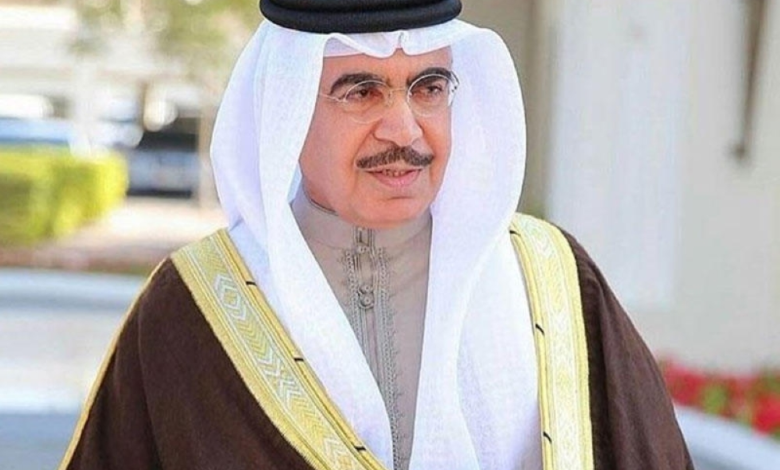
The Interior Minister discusses Gulf security with his Bahraini and Kuwaiti counterparts

Joint Gulf security coordination to confront challenges
In light of the rapid developments in the Middle East region, His Royal Highness Prince Abdulaziz bin Saud bin Nayef bin Abdulaziz, the Saudi Minister of Interior, held important telephone conversations with his counterparts in the Gulf Cooperation Council countries, with the aim of strengthening joint security coordination and confronting current regional challenges.
Saudi-Bahraini talks to enhance stability
These diplomatic and security moves included a telephone call with Lieutenant General Sheikh Rashid bin Abdullah Al Khalifa, Minister of Interior of the Kingdom of Bahrain. During the call, they discussed the latest developments in the region and the sensitive security situation, particularly in light of the blatant Iranian threats and attacks targeting the stability of the Gulf Cooperation Council (GCC) countries. Both sides affirmed the deep-rooted and historic fraternal relations between Riyadh and Manama, emphasizing the importance of continued coordination and cooperation to enhance security and stability and safeguard the safety and well-being of citizens and residents. Prince Abdulaziz bin Saud also reiterated the Kingdom of Saudi Arabia's full support for the Kingdom of Bahrain and its absolute backing for all measures taken to maintain its security and stability.
Saudi-Kuwaiti solidarity in the face of threats
In a related development, His Royal Highness the Saudi Minister of Interior held telephone talks with His Excellency Sheikh Fahad Yousef Saud Al-Sabah, First Deputy Prime Minister and Minister of Interior of the State of Kuwait. The call addressed the current situation and its security implications for the region. Both ministers emphasized the importance of continued security coordination and integration between the two brotherly countries to confront any potential challenges. His Royal Highness the Saudi Minister of Interior reiterated Saudi Arabia's unwavering support for the State of Kuwait in all its endeavors and measures aimed at protecting its national security.
The historical context of Gulf security
These discussions take place within a historical context that reflects the shared destiny of the Gulf Cooperation Council (GCC) states. Since the establishment of the GCC in 1981, the joint security system has been the cornerstone of protecting the national achievements of its member states. Historically, the Kingdom of Saudi Arabia, as the elder sister, has demonstrated its unwavering commitment to defending the sovereignty and stability of its neighbors, a commitment evident at numerous historical junctures. Riyadh considers the security of the Gulf an integral part of its own national security. The region faces ongoing challenges due to foreign interference, necessitating the maintenance of open communication channels at the highest levels to coordinate positions and unify efforts.
The importance and expected impact of security coordination
These security measures are of paramount importance and have a multifaceted impact. Domestically, these coordinations send a reassuring message to citizens and residents of the Gulf states that security leaders are vigilant and working around the clock to avert threats. Regionally, they constitute a formidable bulwark and a clear deterrent against any attempts to destabilize or infringe upon the sovereignty of the GCC states, especially in light of current geopolitical tensions. Internationally, this security cooperation contributes to ensuring the stability of one of the world's most strategically important regions, which plays a vital role in global energy supplies and the stability of the international economy, making Gulf security an international imperative as much as it is a regional necessity.