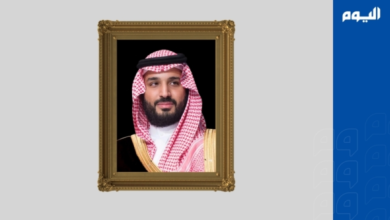

إعلان نجاح الخطط الأمنية والتنظيمية لموسم الحج
مع مغادرة آخر أفواج ضيوف الرحمن للمشاعر المقدسة، أعلنت وزارة الداخلية السعودية رسميًا عن نجاح الخطط الأمنية والتنظيمية لموسم حج عام 1445هـ (2024م). وأكدت الوزارة أن مناسك الحج تمت في أجواء آمنة ومطمئنة، بفضل تضافر جهود كافة القطاعات الحكومية والعسكرية والخدمية التي عملت كمنظومة متكاملة لضمان سلامة وراحة الحجاج.
وشددت الوزارة على أن نجاح الموسم هو تتويج لتوجيهات القيادة الرشيدة التي تضع خدمة الحرمين الشريفين وقاصديهما في مقدمة أولوياتها. وقد تكاملت جهود إمارات المناطق والقطاعات الأمنية، بالتعاون مع الجهات الشريكة، لتشكيل درع حماية لضيوف الرحمن ضد كل ما قد يعكر صفو عبادتهم، حيث انتظم رجال الأمن في صفوف منظمة لحماية الحجاج وتوجيههم وخدمتهم، لتوحدهم جميعًا تلبية “لبيك اللهم لبيك”.
السياق التاريخي لمسؤولية تنظيم الحج
تستند المملكة العربية السعودية في إدارتها لموسم الحج على إرث تاريخي عميق ومسؤولية دينية عظيمة بصفتها خادمة للحرمين الشريفين. فعلى مر العقود، طورت المملكة خبرات متراكمة في إدارة أكبر تجمع بشري سنوي في العالم، مستثمرةً موارد هائلة في تطوير البنية التحتية للمشاعر المقدسة، من توسعة الحرمين الشريفين إلى إنشاء قطار المشاعر وشبكات الطرق والجسور الحديثة. وتأتي هذه الجهود المستمرة كجزء من التزامها التاريخي بتوفير أفضل الظروف الممكنة للحجاج لأداء فريضتهم، وهو ما يتماشى مع أهداف رؤية السعودية 2030 التي تهدف إلى تحسين تجربة الحج والعمرة بشكل شامل.
الأهمية والتأثير العالمي لموسم الحج
لا يقتصر نجاح موسم الحج على كونه إنجازًا تنظيميًا محليًا، بل يحمل أبعادًا إقليمية ودولية واسعة. فعلى الصعيد المحلي، يعزز هذا النجاح الشعور بالفخر الوطني ويجسد قيم الكرم والخدمة لدى المجتمع السعودي. أما على الصعيد الدولي، فإنه يرسخ مكانة المملكة كقائدة للعالم الإسلامي وقوة لوجستية قادرة على إدارة الأحداث العالمية الكبرى بكفاءة واقتدار. كما أن التجربة الروحانية الآمنة التي يعيشها الحجاج من مختلف أنحاء العالم تترك أثرًا إيجابيًا عميقًا، حيث يعودون إلى بلدانهم حاملين ذكريات لا تُمحى وقصصًا عن الرعاية والخدمة المتميزة، مما يعزز جسور التواصل الثقافي والإنساني بين الشعوب.
خطط أمنية متكاملة لخدمة الحجاج
أكدت قيادات قوات أمن الحج في مؤتمراتها الصحفية أن أمن الحجيج “خط أحمر”، وأن المملكة لن تتهاون في ضمان سلامة كل حاج. وقد تم تنفيذ الخطط الميدانية بدقة متناهية، بدءًا من إدارة الحشود في المسجد الحرام ومنطقة الجمرات، مرورًا بتسهيل التصعيد إلى مشعر عرفات والنفرة إلى مزدلفة، وانتهاءً بطواف الوداع. كما لعبت حملة “لا حج بلا تصريح” دورًا محوريًا في السيطرة على الأعداد وضمان تقديم الخدمات للحجاج النظاميين بجودة عالية. وقد حشدت وزارة الداخلية قدراتها الأمنية والإعلامية والاتصالية عبر مبادرات مثل “مبادرة طريق مكة” التي سهلت إجراءات دخول الحجاج من بلدانهم، ليتكامل عقد التيسير على ضيوف الرحمن منذ لحظة وصولهم وحتى مغادرتهم بسلام.