The Crown Prince receives a message from the President of Senegal to strengthen bilateral relations

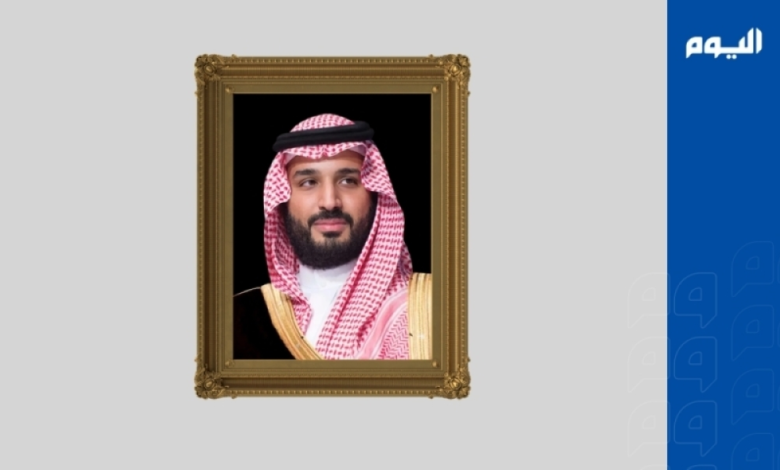
His Royal Highness Prince Mohammed bin Salman bin Abdulaziz Al Saud, Crown Prince and Prime Minister - may God protect him - received a written message from His Excellency President Bassiro Diomaye Faye, President of the Republic of Senegal, concerning ways to strengthen and develop the strong bilateral relations between the two brotherly countries, and to discuss prospects for joint cooperation in various fields.
The message was received by His Excellency Engineer Waleed bin Abdulkarim Al-Khuraiji, Deputy Minister of Foreign Affairs, during his meeting today at the Ministry's headquarters in Riyadh with the Ambassador of the Republic of Senegal to the Kingdom, Mr. Biram M'Banique Diang. During the meeting, they reviewed the distinguished bilateral relations and ways to support and develop them, in addition to discussing a number of issues of common interest and exchanging views on current regional and international matters.
The depth of Saudi-Senegalese relations
This message comes within the framework of the deep-rooted and historic relations that unite the Kingdom of Saudi Arabia and the Republic of Senegal, relations that have spanned decades and been characterized by mutual respect and fruitful cooperation. Senegal is a strategic partner of the Kingdom in the West African region, as the two countries share unified visions on many Islamic and international issues, particularly through their active membership in the Organization of Islamic Cooperation.
Economic and development cooperation
On the developmental and economic front, the Kingdom plays a pivotal role in supporting infrastructure and development projects in Senegal through the Saudi Fund for Development. Over the years, the Kingdom has contributed to financing numerous vital projects in the health, education, roads, and energy sectors, reflecting its commitment to supporting the stability and prosperity of its sisterly and friendly nations on the African continent.
The importance of timing and implications
This diplomatic engagement is particularly significant given the recent political changes in Senegal with the election of President Bassirou Diomêne Faye, underscoring the new leadership's keenness to strengthen cooperation with Riyadh, a global political and economic power. This initiative also aligns with the Kingdom's Vision 2030, which prioritizes deepening partnerships with African nations, as clearly demonstrated at the recent Saudi-African Summit hosted by Riyadh, which laid the foundation for a new phase of strategic cooperation between the two sides.
The exchange of such high-level messages reflects the shared desire of the leadership of both countries to move relations from the stage of traditional cooperation to the horizons of a comprehensive strategic partnership that serves the interests of the two brotherly peoples and enhances security and stability in the region.