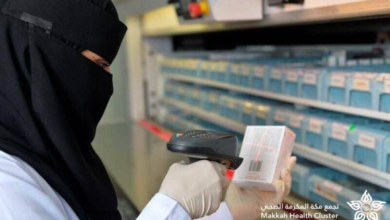

استعدادات استثنائية لخدمة ضيوف الرحمن
أعلنت هيئة الهلال الأحمر السعودي عن اكتمال جاهزيتها التشغيلية والتامة لتنفيذ خطتها الشاملة لموسم حج هذا العام 1447هـ. وتأتي هذه الاستعدادات في إطار حرص القيادة الرشيدة على توفير أقصى درجات الرعاية والعناية الطبية لضيوف الرحمن، من خلال منظومة إسعافية متكاملة تعمل على مدار الساعة. وتعتمد الهيئة في خطتها على كوادر بشرية عالية التأهيل، مدعومة بأحدث التقنيات الطبية والإسعافية، مع ضمان انتشار ميداني واسع ومدروس يغطي كافة المشاعر المقدسة، ومكة المكرمة، والطرق الحيوية المؤدية إليها، وذلك بهدف تعزيز سرعة الاستجابة ورفع كفاءة التعامل مع كافة الحالات الطارئة التي قد تواجه الحجاج.
السياق التاريخي لجهود المملكة في الرعاية الصحية للحجاج
تاريخياً، تولي المملكة العربية السعودية منذ توحيدها اهتماماً بالغاً بصحة وسلامة الحجاج. وقد ارتبط تأسيس العمل الإسعافي المؤسسي في المملكة ارتباطاً وثيقاً بموسم الحج، حيث كانت البدايات الأولى لتقديم الرعاية الطبية الطارئة تهدف بشكل أساسي إلى خدمة قاصدي بيت الله الحرام. ومع مرور العقود، تطورت هيئة الهلال الأحمر السعودي لتصبح واحدة من أهم الركائز في إدارة الحشود الطبية على مستوى العالم، متراكمة لديها خبرات واسعة تجعلها مرجعاً دولياً في طب الحشود والتعامل مع التجمعات البشرية المليونية في مساحات جغرافية محدودة وأوقات زمنية محددة.
أرقام وإحصائيات تعكس حجم الجاهزية
لضمان تقديم أفضل الخدمات الإسعافية، حشدت هيئة الهلال الأحمر السعودي إمكانات ضخمة لهذا الموسم. فقد تم تخصيص أكثر من 7700 كادر إسعافي وطبي وإداري، وتجهيز ما يزيد عن 500 نقطة إسعافية موزعة بعناية في النقاط الحرجة وأماكن الكثافة. وإيماناً بأهمية العمل التطوعي، يشارك أكثر من 1000 متطوع ومتطوعة ضمن الفرق المساندة في المواقع الميدانية لتقديم الدعم اللازم. كما تم دعم العمليات بأسطول ضخم يضم أكثر من 3000 مركبة إسعافية ومساندة مجهزة بأحدث التقنيات.
مهابط استراتيجية والإسعاف الجوي
في خطوة تهدف إلى تقليص زمن الاستجابة للحالات الحرجة، خصصت الهيئة 11 طائرة إسعافية تنطلق من مهابط استراتيجية موزعة في العاصمة المقدسة والمشاعر المقدسة. هذا التدخل الجوي السريع يسهم بشكل فعال في نقل الحالات الطارئة جداً إلى المستشفيات المتخصصة لتلقي العلاج في الوقت الذهبي، مما يرفع من نسب النجاة والتعافي بإذن الله.
التأثير المحلي والدولي لنجاح الخطة الإسعافية
إن نجاح الخطة التشغيلية للهلال الأحمر السعودي يحمل أهمية كبرى وتأثيراً متعدد الأبعاد. على الصعيد المحلي، يعكس هذا النجاح تكامل مؤسسات الدولة وتحقيق مستهدفات رؤية السعودية 2030 في الارتقاء بجودة الخدمات المقدمة لضيوف الرحمن. أما على الصعيدين الإقليمي والدولي، فإن هذه الجاهزية العالية تبعث برسالة طمأنينة لملايين المسلمين حول العالم بأن حجاجهم في أيدٍ أمينة، وتؤكد ريادة المملكة وقدرتها الفائقة على إدارة أكبر تجمع بشري سنوي في العالم بكفاءة واقتدار.
التقنية الحديثة والتكامل المؤسسي
لم تغفل الهيئة الجانب التقني، حيث لفتت الانتباه إلى توظيف أحدث التطبيقات والأنظمة التقنية في غرف العمليات لاستقبال البلاغات، وتصنيف الحالات بدقة، وتوجيه الفرق الإسعافية الأقرب للموقع. كما تم تعزيز الجاهزية الميدانية بوسائل تدخل مرنة مثل العربات الصغيرة والدراجات النارية الإسعافية للتعامل مع الكثافات البشرية العالية داخل المشاعر المقدسة. وتعمل الهيئة بتكامل تام وتنسيق مستمر مع مختلف الجهات الصحية والخدمية والأمنية، لضمان تقديم خدمة إسعافية ترقى لتطلعات القيادة وتلبي احتياجات ضيوف الرحمن وفق أعلى المعايير العالمية.