
مقدمة: تطور مستمر لخدمة ضيوف الرحمن
في إطار سعيها الدائم لتقديم أفضل مستويات الرعاية الصحية، عملت هيئة الهلال الأحمر السعودي على إحداث نقلة نوعية في منظومة الخدمات الطبية والإسعافية خلال موسم الحج لهذا العام. وتأتي هذه الخطوة الاستراتيجية من خلال تعزيز التواجد الميداني بأحدث التقنيات العالمية، عبر إطلاق وسائل نقل إسعافية ذكية وصديقة للبيئة. تعمل هذه الآليات المتطورة بالطاقة الكهربائية بالكامل، وتتميز بخفة الحركة والمرونة العالية، مما يجعلها الخيار الأمثل للتعامل مع الكثافة البشرية الهائلة في المشاعر المقدسة.
السياق التاريخي: عقود من الرعاية الصحية في الحج
تاريخياً، تولي المملكة العربية السعودية اهتماماً بالغاً بصحة وسلامة الحجاج منذ توحيدها. وقد تطورت خدمات الهلال الأحمر السعودي بشكل جذري منذ تأسيسه، حيث انتقل من تقديم الإسعافات الأولية التقليدية إلى إدارة منظومة صحية معقدة تعتمد على الذكاء الاصطناعي والتقنيات الخضراء. هذا التطور يعكس التزام القيادة الرشيدة بتسخير كافة الإمكانات المادية والبشرية لضمان أداء الحجاج لمناسكهم في بيئة صحية وآمنة، وهو ما يتماشى بشكل وثيق مع مستهدفات رؤية السعودية 2030 في تحسين جودة الحياة وتطوير الخدمات المقدمة لضيوف الرحمن.
عربة ‘رفيدة’: ابتكار إسعافي للمناطق المكتظة
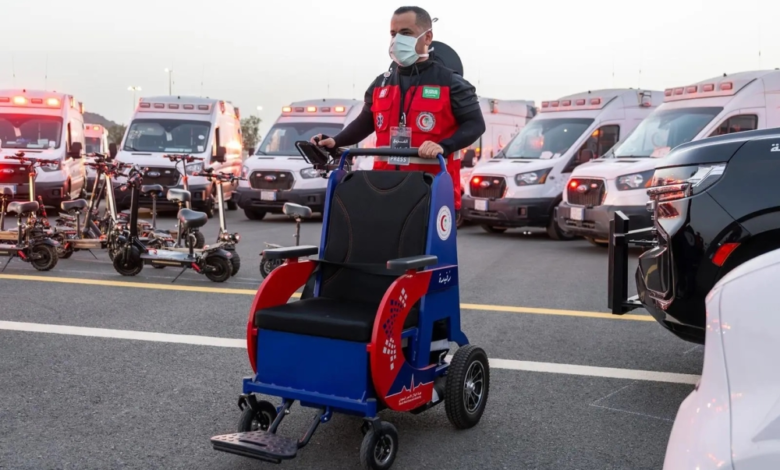
من أبرز التقنيات التي تم إدراجها لأول مرة في موسم الحج الحالي هي ‘عربة رفيدة’. وأوضح سلمان العجمي، قائد فريق العمليات المسائي في الهيئة، أن هذه العربة تمثل مساراً مبتكراً لتعزيز الوصول الإسعافي الذكي في الأماكن ذات الكثافة العالية. وقد تم تصميمها وتجهيزها لتلائم طبيعة التشغيل الميداني المعقد، مما يدعم سرعة الاستجابة لطالبي الخدمة الطبية.
وقد أثبتت ‘عربة رفيدة’ فاعليتها وكفاءتها العالية خلال التشغيل التجريبي والفعلي في موسم العمرة خلال شهر رمضان الماضي. فقد أسهمت بشكل مباشر وسريع في عمليات الدعم والنقل الإسعافي داخل الأماكن الضيقة في الحرم المكي الشريف والمنطقة المركزية المحيطة به، مما دفع الهيئة لاعتمادها رسمياً وتوسيع نطاق استخدامها في موسم الحج الحالي.
أسطول ضخم يضم أكثر من 3000 آلية
لضمان تغطية شاملة لكافة المشاعر المقدسة، أكد الدكتور أحمد بافقيه، قائد فريق الدعم في هيئة الهلال الأحمر السعودي، أن الهيئة تشارك بأسطول ضخم يتجاوز 3000 آلية إسعافية متطورة. وتأتي هذه المشاركة الواسعة ضمن خطة استعدادات متكاملة تهدف إلى تقديم استجابة فورية لأي طارئ صحي قد يواجه الحجاج في أي وقت ومكان.
عربات الجولف المكيفة: استجابة سريعة وراحة للمرضى
ولفت الدكتور بافقيه إلى أن أحدث الآليات المنضمة للخدمة هي عربات ‘الجولف’ الإسعافية المكيفة، والتي تنفرد بثلاث مزايا استراتيجية رئيسية:
- صغر الحجم وسرعة الاستجابة: يتيح تصميمها المدمج الدخول بسلاسة في الممرات الضيقة والمناطق المكتظة، مما يقلص زمن الاستجابة والوصول للحالة الطارئة إلى الحد الأدنى.
- الاستدامة البيئية: تعمل هذه العربات بالطاقة الكهربائية بنسبة 100%، مما يجعلها صديقة للبيئة ويقلل من الانبعاثات الكربونية في المشاعر المقدسة.
- الراحة الفائقة للمصابين: تم تزويد الكبينة الخلفية للعربة بنظام تبريد قوي ومتطور، مما يوفر بيئة ملائمة ومريحة للمريض، خاصة في ظل الأجواء الصيفية الحارة.
بالإضافة إلى ذلك، تتيح هذه العربات مرونة عالية في نقل المصابين، سواء بتوجيههم إلى أقرب مركز إسعافي لتلقي العلاج، أو تسليمهم -حسب التقييم الطبي للحالة- إلى أقرب مهبط مخصص للطائرات الإسعافية (الهليكوبتر) لضمان الإخلاء الطبي السريع للحالات الحرجة.
التأثير المحلي والدولي لطب الحشود
إن هذا التطور الملحوظ في خدمات الهلال الأحمر السعودي لا يقتصر تأثيره على النطاق المحلي فحسب، بل يمتد ليضع معايير عالمية جديدة في مجال ‘طب الحشود’ وإدارة الطوارئ. إقليمياً ودولياً، تنظر المنظمات الصحية العالمية إلى إدارة الرعاية الصحية في موسم الحج كنموذج فريد يُحتذى به في كيفية تقديم الخدمات الطبية لملايين البشر المتجمعين في مساحة جغرافية محدودة. إن دمج التقنيات الصديقة للبيئة مع الاستجابة الإسعافية السريعة يؤكد ريادة المملكة في تقديم حلول صحية مستدامة ومبتكرة تخدم الإنسانية جمعاء.