Saudi Arabia's rural areas distribute 1,800 packages of modern beekeeping equipment to support the sector

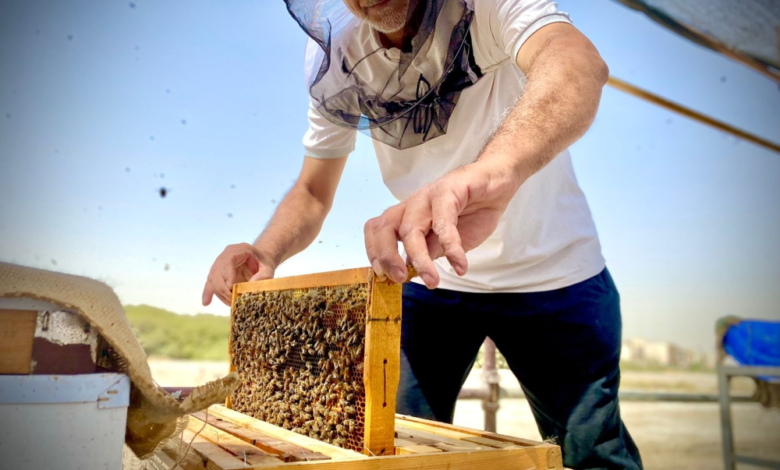
In a strategic move aimed at enhancing food security and supporting small-scale agricultural producers, the Sustainable Rural Agricultural Development Program, "Reef Saudi Arabia," launched an ambitious initiative to distribute 1,800 packages of modern beekeeping equipment to beekeepers across the Kingdom. This step is part of the program's efforts to achieve the goals of Saudi Vision 2030, which places great emphasis on developing the agricultural sector and transforming it from traditional practices to sustainable, economically viable technologies.
Historical context and importance of the beekeeping sector in the Kingdom
Beekeeping in Saudi Arabia is a long-established sector, historically and culturally linked to the people of the Arabian Peninsula. Regions such as Asir, Al-Baha, and Taif are renowned for producing some of the world's finest honey. However, for a long time, this sector has relied on traditional methods that limit production and face environmental and operational challenges. This is where the intervention of "Reef Saudi" becomes crucial, aiming to bring about a radical transformation that ensures the sustainability of this profession, increases its contribution to the GDP, and enhances the Kingdom's self-sufficiency in honey products.
Details of the initiative and modern technologies
Majed Al-Buraikan, the official spokesperson for the "Reef Saudi Arabia" program, explained that the project is not limited to distributing equipment, but aims to establish a comprehensive technical infrastructure. This modern equipment enables beekeepers to manage their apiaries with high efficiency, thus reducing waste in hives and byproducts. Al-Buraikan pointed out that this step directly complements the Ministry of Environment, Water and Agriculture's projects for establishing and operating queen bee breeding stations, which ensures the improvement of the genetic traits of local bees and enhances the efficiency of their strains.
Expected economic and developmental impact
This project is expected to have a wide-ranging positive impact at both the local and regional levels. Locally, the modern equipment will contribute to improving the quality and safety of honey, thus increasing its market value and boosting the income of rural families working in this sector. Regionally, the Kingdom's adoption of these technologies strengthens its position as a leading center for sustainable agriculture in arid regions. The new equipment helps to precisely control feeding, inspection, and harvesting processes, reducing stress on bees and increasing productivity, thereby enhancing the competitiveness of Saudi honey in global markets.