Conditions for importing potato seeds into Saudi Arabia and a list of prohibited pests

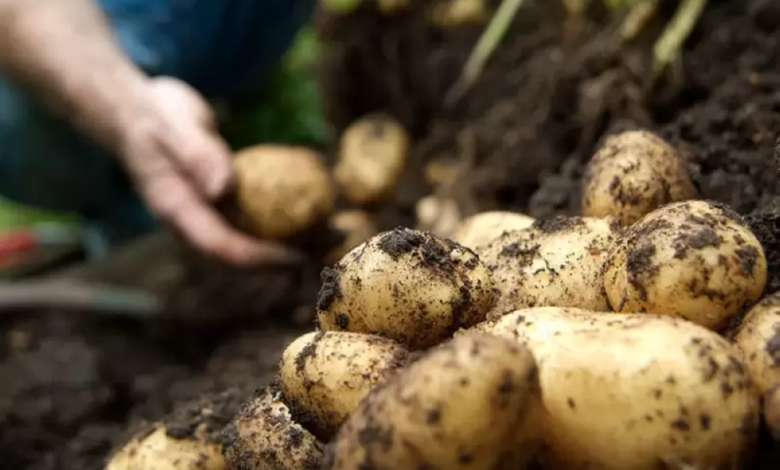
In a strategic move aimed at enhancing food security and protecting the Kingdom's agricultural resources, the Ministry of Environment, Water and Agriculture has issued a comprehensive regulatory guide outlining the rules and requirements for importing potato seeds. This initiative, launched through the "Istilaa" platform, establishes a precise oversight framework to ensure the quality of agricultural inputs and boost the efficiency of local production, aligning with the Kingdom's Vision 2030 goals of achieving self-sufficiency in strategic crops.
The importance of potatoes as a strategic commodity and food security
Potatoes are one of the most important food crops in the world and in Saudi Arabia, where they constitute a significant portion of the consumer's diet. These new regulations are of paramount importance because agricultural pests transmitted through infected seeds can devastate vast areas of farmland, causing substantial losses for farmers and threatening the strategic reserves of this vital crop. Therefore, ensuring that seeds are free from quarantine pests is the first line of defense for protecting Saudi Arabia's agricultural environment.
Import requirements and necessary licenses
Article 2 of the regulatory guide stipulates the necessity of obtaining prior approval from the relevant department within the Ministry before initiating any import process. This procedure aims to subject all applications to rigorous technical review. The Ministry has also limited import rights to two main categories:
- Specialized seed and seedling companies.
- Farmers: Provided that the quantities are intended for cultivating their own holdings, with proof of ownership of the agricultural area being provided that corresponds to the imported quantity to ensure that it is not traded or stored improperly.
Technical specifications and high quality
To ensure the highest production standards, the Ministry stipulated that imported seeds must be of grade "E" or higher, and that the varieties must be officially registered with the Ministry. Regulations also emphasized that production must take place in the country of origin under programs subject to rigorous field and laboratory monitoring by the relevant authorities there. The detailed technical specifications included the following:
- The seeds should be from the same season's production.
- The percentage of deformities resulting from pathological lesions should not exceed 3%.
- Tubers must be free of sprouts longer than 10 mm in more than 30% of the shipment.
- The percentage of accompanying soil should not exceed 1%, and it must be completely free of nematodes.
- The tuber sizes ranged between 28 and 55 mm.
Import ban and list of quarantine pests
In a firm precautionary measure, the ministry banned the import of potato seeds from any farm previously recorded as being infested with soil-borne quarantine pests. The guidelines established a blacklist of pests that are absolutely prohibited (zero tolerance), including:
- Potato flea beetles, Colorado potato beetles, and Japanese potato beetles.
- Andean weevil and Guatemalan potato moth.
- Potato cancer and black blight.
- White and golden cyst nematodes and root-knot nematodes.
- Viral diseases such as T and S viruses, and phytoplasma purple apex wilt.
Access procedures and handling of violations
The guidelines require importers to submit a package of documents at the point of entry, including a phytosanitary certificate, a certificate of origin, and a certificate proving that the seeds are free from genetic modification. If a shipment does not meet specifications or fails laboratory testing, the importer is obligated to return it to the country of origin or destroy it at their own expense under the supervision of the Ministry, to ensure that no pathogens are introduced into the local environment.