
Firm European statements at the G7 summit
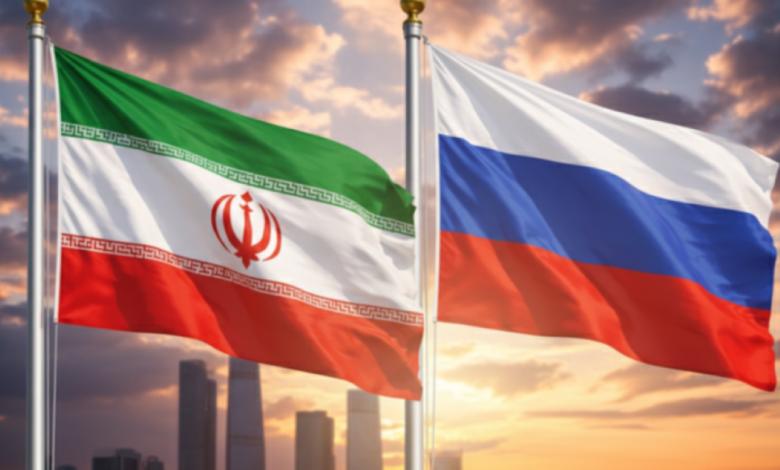
In a striking development reflecting the complexities of the global geopolitical landscape, the EU's foreign policy chief, Kaja Kallas, directly accused Russia of providing Tehran with sensitive intelligence. These strong statements, made on the sidelines of the G7 ministerial meeting in France on Thursday, underscore growing Western concern over the expanding military and security alliance between Moscow and Tehran.
Details of intelligence and military cooperation
In her remarks, Callas explained that the European Union has detected alarming developments indicating that Russia is providing intelligence support to Iran aimed directly at targeting and killing American citizens and soldiers stationed in the Middle East. This Russian support is not limited to intelligence; it also includes supplying Tehran with advanced technology and drones. This military support enables Iran and its allied armed groups to enhance their capabilities to attack neighboring countries and target American military bases in the region, further escalating regional tensions.
The historical context of the development of Russian-Iranian relations
To understand the implications of this statement, one must consider the recent historical context of the evolving relationship between the two countries. Since the outbreak of the Russian-Ukrainian war in late February 2012, relations between Moscow and Tehran have witnessed an unprecedented strategic rapprochement. Initially, cooperation focused on Iran supplying Russian forces with thousands of suicide drones, specifically the Shahed model, which were used extensively in Ukraine. Over time, this cooperation evolved into a two-way street, with Russia beginning to provide Iran with advanced technical, military, and intelligence support—a development that Western countries consider a direct threat to their national security and interests in the Middle East.
Expected impact on the regional and international arenas
Regionally, this intelligence cooperation comes at a time of unprecedented turmoil in the Middle East, particularly with the ongoing war in the Gaza Strip and the expansion of the conflict to other fronts such as Lebanon and the Red Sea. Tehran's acquisition of accurate Russian intelligence could alter the rules of engagement, granting Iranian-backed factions greater capability to launch precise strikes against US bases in Syria, Iraq, and Jordan, as well as threatening international shipping.
On the international level, this alliance effectively links the theaters of operations in Europe and the Middle East. Kaya Kallas underscored this crucial point when she delivered a clear message to the US administration, stating: “If the United States wants to end the war in the Middle East, it must also exert maximum pressure on Russia to prevent it from continuing to support Iran in this arena.” This perspective confirms that diplomatic or military solutions in the Middle East are no longer possible without addressing Russian influence.
Summary of the European and American position
In conclusion, the European official's remarks reflect a shift in Western strategy, which now views Russian and Iranian threats as a single, interconnected bloc. The continuation of this intelligence and military cooperation between Moscow and Tehran will compel the United States and the European Union to reassess their deterrence policies, intensify joint efforts to impose stricter sanctions, and work to dismantle these networks that threaten international stability, peace, and security.