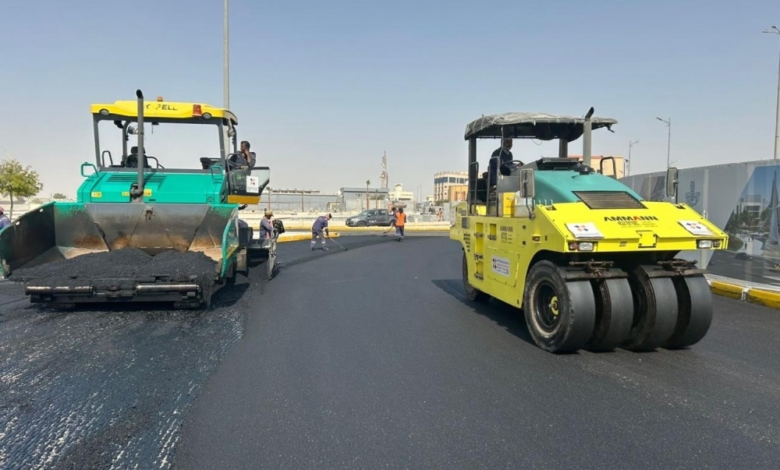

في خطوة استراتيجية تعكس التزام المملكة العربية السعودية بتحقيق مستهدفات رؤية 2030، وتحديداً الاستراتيجية الوطنية للنقل والخدمات اللوجستية، كشفت الهيئة العامة للطرق عن إنجازات استثنائية خلال العام الماضي. حيث تم الانتهاء من تنفيذ 37 مشروعاً حيوياً جديداً بتكلفة إجمالية بلغت 3.86 مليارات ريال سعودي. وقد أثمرت هذه الجهود الجبارة عن تحقيق انخفاض تاريخي وملحوظ في معدلات وفيات الحوادث المرورية بنسبة 60%، مما يؤكد نجاح برامج السلامة المرورية والتحسينات الهندسية المستمرة في الحفاظ على الأرواح.
السياق الاستراتيجي وتوسعة البنية التحتية
تاريخياً، شكلت المساحة الجغرافية الشاسعة للمملكة تحدياً كبيراً في ربط المدن والمناطق، إلا أن الاستثمارات الحكومية المتواصلة جعلت من شبكة الطرق السعودية واحدة من الأكبر عالمياً، حيث تمتد لأكثر من 73 ألف كيلومتر خارج النطاق العمراني. وأوضحت الهيئة أن أطوال المشاريع المنجزة مؤخراً تجاوزت 2093 كيلومتراً مسارياً. ولا يتوقف العمل عند هذا الحد، بل يجري حالياً تنفيذ أكثر من 90 مشروعاً إضافياً بتكلفة تتجاوز 8 مليارات ريال، وبأطوال تبلغ 4804 كيلومترات مسارية، مما يعزز مكانة المملكة كمركز لوجستي عالمي يربط بين القارات الثلاث.
مؤشرات أداء عالمية وجودة غير مسبوقة
على صعيد الجودة والسلامة، واصلت الهيئة تحقيق تقدم ملموس في مؤشرات الأداء. فقد ارتفعت نسبة الطرق المصنفة ضمن مستوى ‘ثلاث نجوم فأكثر’ وفق البرنامج الدولي لتقييم الطرق (IRAP) لتصل إلى 81.48%، متجاوزة بذلك المستهدفات السنوية. كما حققت الهيئة تقدماً في جودة الرصف عبر رفع نسبة الطرق التي يتجاوز تقييم حالتها 80 نقطة (PCR)، مما يحد من الاختناقات المرورية ويرفع انسيابية الحركة بين المدن.
المنطقة الشرقية: الشريان الاقتصادي والصناعي
نظراً لأهميتها الاقتصادية واللوجستية كمركز رئيسي للصناعات وموانئ التصدير، استحوذت المنطقة الشرقية على الحصة الأكبر من هذه المشاريع خلال عام 2025. وبلغت قيمة المشاريع المنفذة والجاري تنفيذها هناك أكثر من 1.213 مليار ريال ضمن 8 مشاريع رئيسية بأطوال 422 كيلومتراً، بالإضافة إلى 12 مشروع صيانة وقائية بتكلفة 732.6 مليون ريال. ومن أبرز هذه المشاريع استكمال طريق (صفوى/ رحيمة) بتكلفة 434.2 مليون ريال، وتطوير تقاطعات حيوية مثل (الأحساء/ بقيق/ الظهران) وتقاطع أبو حدرية بتكلفة 134.7 مليون ريال، مما يدعم النمو العمراني والصناعي.
التأثير الإقليمي والربط الدولي
لم تقتصر المشاريع على الداخل، بل امتدت لتعزيز الربط الإقليمي والدولي. فقد تم تنفيذ الحاجز الأمني للطريق المؤدي إلى منفذ الربع الخالي مع سلطنة عمان بتكلفة تقارب 155 مليون ريال. هذا المشروع الاستراتيجي يرفع كفاءة الربط التجاري واللوجستي بين البلدين، ويسهل حركة البضائع والمسافرين، مما ينعكس إيجاباً على الاقتصاد الخليجي المشترك.
الابتكار التقني والاستدامة البيئية
شهد قطاع الطرق تحولاً تقنياً كبيراً، حيث دشنت الهيئة أول جهاز لمحاكاة الأحمال المرورية الثقيلة في الشرق الأوسط لدراسة متانة الطرق. كما توسعت في استخدام تقنية ‘الطرق المطاطية’ بمواد معادة التدوير بنسبة نمو 33%، وزادت مشاريع تبريد الطرق في المشاعر المقدسة بنسبة 82% لخدمة ضيوف الرحمن. وفي إطار الاستدامة البيئية والاقتصاد الدائري، نجحت الهيئة في إعادة تدوير نحو 22 مليون طن سنوياً من مخلفات البناء والهدم واستخدامها في الخلطات الإسفلتية.
دعم الاقتصاد الوطني والمحتوى المحلي
اقتصادياً، ارتفعت نسبة المحتوى المحلي في مشاريع الهيئة لتصل إلى 56.57%، في حين سجلت الإيرادات غير النفطية قفزة هائلة بنسبة 1018% مقارنة بالعام السابق. كما تم تسجيل 4.8 ملايين ساعة عمل آمنة، وبلغت نسبة الانضباط في التنفيذ 95.5%. تؤكد هذه الأرقام والمنجزات مضي المملكة قدماً في بناء منظومة طرق وطنية آمنة، ذكية، ومستدامة، تدعم النمو الاقتصادي وترتقي بجودة الحياة للمواطنين والمقيمين.