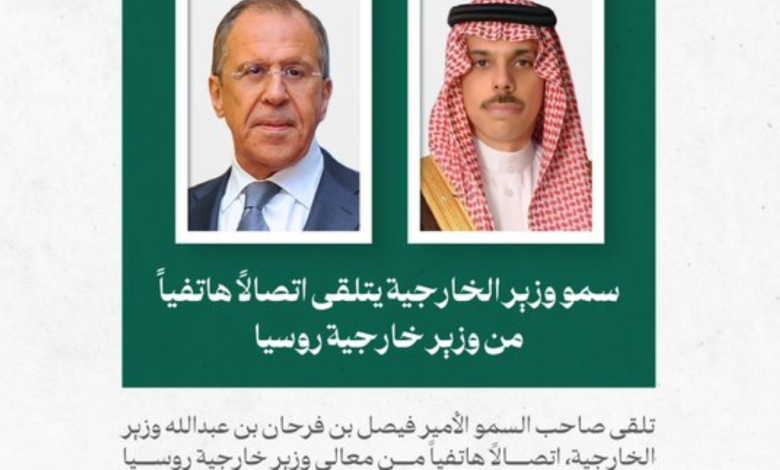

في خطوة تعكس عمق التنسيق الاستراتيجي بين الرياض وموسكو، تلقى صاحب السمو الأمير فيصل بن فرحان بن عبدالله، وزير الخارجية السعودي، اتصالاً هاتفياً من نظيره الروسي، سيرجي لافروف. وبحسب المصادر الرسمية، تناول الاتصال بحث آخر التطورات الإقليمية وتداعياتها الأمنية والاقتصادية، بالإضافة إلى استعراض الجهود المشتركة الرامية إلى الحفاظ على استقرار المنطقة والعالم.
سياق استراتيجي لعلاقات متنامية
يأتي هذا الاتصال في ظل سياق دولي وإقليمي بالغ التعقيد، حيث تشهد العلاقات السعودية-الروسية تطوراً ملحوظاً خلال السنوات الأخيرة. لم تعد هذه العلاقات تقتصر على التنسيق في أسواق الطاقة ضمن إطار “أوبك+”، الذي أثبت نجاحه في تحقيق استقرار نسبي لأسعار النفط العالمية، بل امتدت لتشمل حواراً سياسياً معمقاً حول القضايا الإقليمية الكبرى. كلا البلدين يمثلان لاعبين رئيسيين على الساحة الدولية، وتعاونهما يكتسب أهمية خاصة في ظل التحولات الجيوسياسية التي يشهدها العالم نحو نظام متعدد الأقطاب.
أبرز الملفات على طاولة المباحثات
من المرجح أن تكون الحرب في قطاع غزة وتداعياتها الإنسانية والأمنية قد تصدرت أجندة المباحثات. فالمملكة العربية السعودية تقود جهوداً دبلوماسية مكثفة لوقف إطلاق النار الفوري وإيصال المساعدات الإنسانية، وتؤكد باستمرار على أن الحل المستدام يكمن في إقامة دولة فلسطينية مستقلة. من جانبها، تمتلك روسيا، بصفتها عضواً دائماً في مجلس الأمن الدولي، دوراً محورياً في أي ترتيبات دولية مستقبلية لإنهاء الصراع. بالإضافة إلى ذلك، فإن ملفات أخرى مثل الأزمة في سوريا، والوضع في اليمن، وأمن الملاحة في البحر الأحمر، تمثل نقاط اهتمام مشتركة تتطلب تنسيقاً مستمراً لمنع تفاقم التوترات.
التأثيرات الإقليمية والدولية
إن الحوار المباشر بين وزيري خارجية السعودية وروسيا لا يقتصر تأثيره على منطقة الشرق الأوسط فحسب، بل يمتد إلى الساحة الدولية. فالتنسيق بين أكبر مصدر للنفط في العالم (السعودية) وأحد أكبر المنتجين (روسيا) له تداعيات مباشرة على الاقتصاد العالمي واستقرار إمدادات الطاقة. كما يعكس هذا التواصل حرص القوتين على تعزيز الدبلوماسية والحوار كأدوات أساسية لحل النزاعات، وتأكيداً على أهمية التشاور بين القوى المؤثرة لإدارة الأزمات العالمية، سواء كانت أمنية، اقتصادية، أو سياسية، بما يخدم مصالح شعوب المنطقة والعالم ويسهم في بناء مستقبل أكثر استقراراً وأمناً.