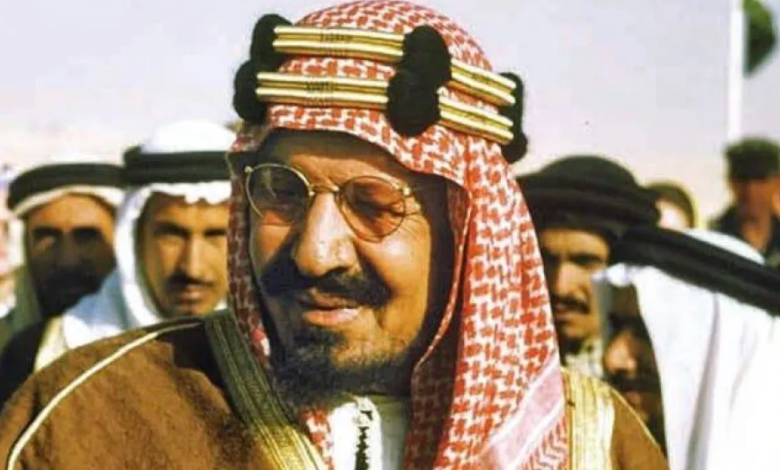
The Kingdom of Saudi Arabia represents a unique model in Arab political and social history, with roots stretching back three centuries and grounded in a profound cultural and civilizational heritage. Discussing its history, from its founding to its vision, is not merely a recounting of historical events, but rather a review of the journey of a nation that has preserved its identity through oral tradition and inherited narratives, and is now moving confidently towards the future through the Kingdom's Vision 2030.
Historical Roots: The Depth of Foundation and Resilience
The first Saudi state dates back to 1727 CE (1139 AH) when it was founded by Imam Muhammad bin Saud, with Diriyah as its capital. This beginning was not merely a fleeting political event, but a pivotal moment that reshaped the map of the Arabian Peninsula, unifying its disparate parts and establishing security and stability. Despite the significant challenges the state faced in its three phases, the constant element was the cohesion between the leadership and the people, a bond preserved in the oral traditions of ancestors who passed down stories of heroism and resilience from generation to generation.
Oral memory: Guardian of national identity
Before the modern era of written records, oral history played a pivotal role in preserving the history of Saudi Arabia. Nabati poetry, stories told in gatherings, and folk songs (such as the Saudi Ardah) served as living historical documents, recording battles, social transformations, and the moral values of Saudi society. This oral tradition not only preserved events but also the morale and cultural identity that distinguished Saudis, making their history an integral part of their daily lives.
From authenticity to modernity: Vision 2030
Today, under the leadership of the Custodian of the Two Holy Mosques, King Salman bin Abdulaziz, and His Royal Highness Crown Prince Mohammed bin Salman, the Kingdom’s Vision 2030 builds upon this great legacy. The Vision is not limited to economic transformation alone, but also places great importance on national heritage. This is evident in mega-projects such as the development of the Diriyah Gate, the registration of heritage sites with UNESCO, and the celebration of National Day, which connects new generations to their deep roots.
Strategic and cultural importance
Linking the memory of the Kingdom's founding with the aspirations of its Vision strengthens its soft power regionally and internationally. Saudi Arabia today presents itself not only as an economic powerhouse, but also as a center of cultural and civilizational influence in the Arab and Islamic world. Drawing lessons from oral tradition and the history of the Kingdom's founding provides Saudi society with intellectual resilience and a strong sense of national identity, which serves as a powerful impetus for achieving its ambitious future goals.