Transformations of the transportation system in the Kingdom 2025: Record numbers and smart projects

The Kingdom's transportation system witnessed radical transformations and unprecedented qualitative leaps during 2025, reflecting the success of the strategic plans laid out by the wise leadership to enhance infrastructure and logistics services. These achievements are the culmination of the Public Transport Authority's efforts in regulation and oversight, in line with the objectives of the National Transport and Logistics Strategy stemming from the Kingdom's Vision 2030, which aims to solidify the Kingdom's position as a global logistics hub connecting three continents.
Strategic context and sustainable economic impact
The 2025 figures cannot be interpreted in isolation from the historical context of development in the Kingdom. These transformations began with the announcement by His Royal Highness the Crown Prince of the National Transport Strategy, which focused on integrating different modes of transport. This accelerated growth contributes to strengthening the non-oil economy, raising the quality of life in Saudi cities, and creating thousands of job opportunities in the transport and support services sectors, reflecting a direct positive impact on the gross domestic product.
Record numbers in passenger transport
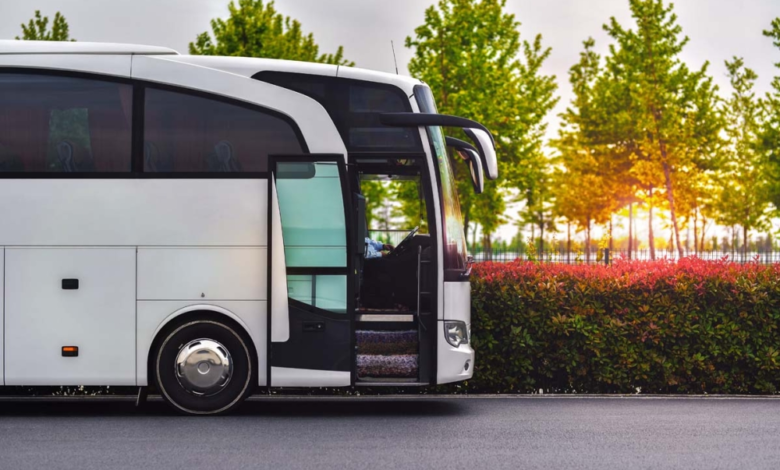
The Public Transport Authority revealed remarkable statistics for 2025, showing exceptional growth in the passenger transport sector. The number of trips completed via ride-hailing apps reached approximately 142 million , indicating a growing reliance on technology-based mobility solutions. In the railway sector, the number of passengers using various train networks exceeded 155 million , while intra-city buses carried over 97 million passengers , in addition to transporting more than 3 million passengers via the intercity bus network, confirming the success of public transport plans in gaining the trust of users.
Smart mobility and digital transformation
In a forward-looking move, the Authority has strengthened its adoption of smart mobility . The capital, Riyadh, witnessed the launch of self-driving vehicles to transport passengers along dedicated routes, a pilot program that has been widely embraced and has paved the way for future expansion plans. In line with the Kingdom's environmental objectives and the Saudi Green Initiative, a dedicated electric bus route was launched in Mecca to reduce carbon emissions.
In terms of automation, the Authority issued more than 6 million standardized car rental contracts, more than 1.2 million operating cards, and 814,000 driver cards, reflecting the scale of regulatory control and digital transformation that ensures the rights of all parties and raises safety levels.
The boom in logistics and maritime transport
The logistics sector continued its upward trajectory, with deliveries exceeding 409 million and parcels surpassing 230 million, bolstered by the opening of regional headquarters for global companies in Riyadh. At the maritime level, the Jazan-Farasan ferry service played a vital role, transporting nearly half a million passengers and 143,000 vehicles, coinciding with the Kingdom's enhanced international standing following its membership in the International Maritime Organization (IMO).
Censorship and Awards
To ensure compliance, the Authority conducted more than 4 million regulatory inspections . These efforts culminated in the Authority receiving prestigious awards, most notably the King Abdulaziz Quality Award and the Digital Government Award for its "Vehicle Rental" service, in addition to international awards at the "ShipTech" conference, demonstrating the efficiency of the Saudi transportation system's operational model.