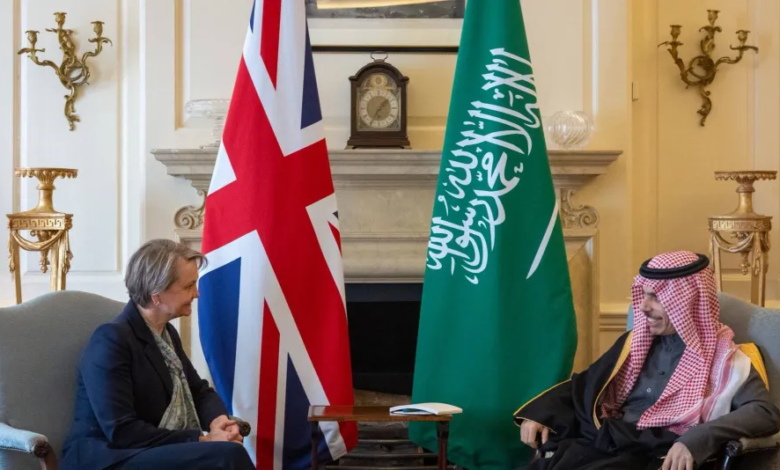

في موقف مشترك يعكس عمق العلاقات الاستراتيجية والتوافق في الرؤى حول أمن المنطقة واستقرارها، أكدت المملكة العربية السعودية والمملكة المتحدة على رفضهما القاطع لأي محاولة لاستخدام مضيق هرمز كأداة للمساومة أو الضغط السياسي والاقتصادي. وشدد الجانبان على الأهمية القصوى لضمان حرية الملاحة وأمن الممرات المائية الدولية، لما لها من تأثير مباشر على استقرار الاقتصاد العالمي وأمن الطاقة.
السياق التاريخي والأهمية الاستراتيجية لمضيق هرمز
يُعد مضيق هرمز أحد أهم الممرات المائية في العالم، إن لم يكن أهمها على الإطلاق في مجال الطاقة. يربط هذا الممر الحيوي بين الخليج العربي وخليج عُمان، ومن خلاله يمر ما يقارب خُمس استهلاك النفط العالمي، بالإضافة إلى كميات هائلة من الغاز الطبيعي المسال. تاريخياً، كان المضيق مسرحاً للعديد من التوترات الجيوسياسية، خاصة التهديدات المتكررة بإغلاقه من قبل إيران في أوقات الأزمات الدولية أو رداً على العقوبات الاقتصادية. هذه التهديدات لا تستهدف دول المنطقة فحسب، بل تشكل خطراً على الاقتصاد العالمي بأسره، حيث إن أي تعطيل للملاحة فيه قد يؤدي إلى ارتفاع فوري وحاد في أسعار الطاقة العالمية ودخول الاقتصاد في حالة من الركود.
أهمية الموقف السعودي البريطاني المشترك
يأتي هذا التأكيد المشترك في سياق التعاون الدفاعي والأمني الوثيق بين الرياض ولندن. فالمملكة العربية السعودية، بصفتها أكبر مصدر للنفط في العالم، تعتمد بشكل كبير على هذا المضيق لتصدير نفطها إلى الأسواق العالمية. أما المملكة المتحدة، فلها مصالح تاريخية واقتصادية راسخة في منطقة الخليج، وتلعب دوراً محورياً كقوة بحرية عالمية في تأمين الممرات المائية الدولية. هذا الموقف يبعث برسالة ردع واضحة لأي طرف يفكر في زعزعة استقرار الملاحة في المضيق، ويؤكد على وجود جبهة دولية موحدة ملتزمة بحماية القانون الدولي ومبدأ حرية البحار.
التأثيرات المتوقعة على الصعيدين الإقليمي والدولي
على الصعيد الإقليمي، يعزز هذا الإعلان من أمن دول الخليج العربي ويؤكد على وجود دعم دولي قوي لاستقرارها الاقتصادي. كما أنه يضع إطاراً للتعاون المستقبلي في مجال الأمن البحري ومواجهة التهديدات المحتملة. أما على الصعيد الدولي، فإن هذا الموقف يطمئن أسواق الطاقة العالمية والمستثمرين، ويساهم في الحد من التقلبات التي قد تنشأ عن التوترات الجيوسياسية. إنه تأكيد على أن القوى الكبرى والدول الرئيسية المنتجة للطاقة لن تقف مكتوفة الأيدي أمام أي محاولة لتهديد شريان الاقتصاد العالمي، وأن الحوار والالتزام بالقوانين الدولية هما السبيل الوحيد لضمان الأمن والازدهار للجميع.