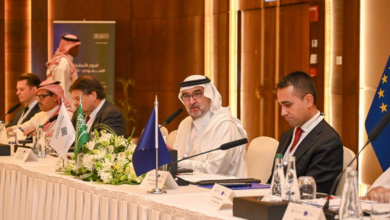

أكد وزير الشؤون الدينية في جمهورية أوزبكستان، صادق طاشباييف، في تصريح خاص، على عمق ومتانة العلاقات التي تجمع بلاده بالمملكة العربية السعودية، واصفاً إياها بأنها “راسخة ومتينة وتاريخية”. ويأتي هذا التصريح ليعكس المستوى المتقدم الذي وصلت إليه الشراكة بين البلدين، والتي تتجاوز حدود التعاون الدبلوماسي التقليدي لتشمل آفاقاً واسعة في مختلف المجالات الحيوية.
خلفية تاريخية وعلاقات متجذرة
ترتكز العلاقات السعودية الأوزبكية على أسس تاريخية وثقافية ودينية عميقة. فالمملكة العربية السعودية كانت من أوائل الدول التي اعترفت باستقلال أوزبكستان في عام 1991، وأقامت معها علاقات دبلوماسية رسمية في عام 1992. هذا الموقف المبكر رسخ مكانة المملكة كشريك موثوق لدى القيادة الأوزبكية. وتستمد هذه العلاقة قوتها من الروابط الروحية المشتركة، حيث تحتضن أوزبكستان مدناً إسلامية تاريخية عريقة مثل بخارى وسمرقند، والتي كانت منارات للعلم والفقه الإسلامي، بينما تحتضن المملكة الحرمين الشريفين، قبلة المسلمين ومهوى أفئدتهم، مما يخلق أرضية صلبة للتفاهم والتعاون المشترك.
أهمية استراتيجية وتأثير متعدد الأبعاد
تكتسب الشراكة بين الرياض وطشقند أهمية استراتيجية متزايدة على الصعيدين الإقليمي والدولي. فعلى المستوى المحلي، يمثل التعاون مع المملكة دعماً قوياً لخطط التنمية والإصلاح الاقتصادي في أوزبكستان، خاصة في ظل توافق “رؤية السعودية 2030” مع استراتيجية التنمية الأوزبكية. وتعد الاستثمارات السعودية، لا سيما في قطاعات الطاقة المتجددة والبنية التحتية، محركاً أساسياً لهذا التطور. من جانبها، ترى المملكة في أوزبكستان شريكاً محورياً في منطقة آسيا الوسطى، وبوابة لتعزيز الروابط الاقتصادية والثقافية مع دول المنطقة.
إقليمياً، يساهم هذا التقارب في تعزيز الاستقرار والتنسيق بين العالمين العربي والآسيوي الإسلامي، ويقدم نموذجاً للتعاون البنّاء القائم على المصالح المشتركة والاحترام المتبادل. أما دولياً، فيعكس هذا التحالف الديناميكيات المتغيرة في السياسة العالمية، حيث تسعى الدول إلى بناء شراكات متنوعة ومستدامة تتجاوز المحاور التقليدية.
آفاق واعدة للتعاون المستقبلي
لا يقتصر التعاون بين البلدين على الجانب الديني المتمثل في تسهيل شؤون الحج والعمرة للحجاج الأوزبك، بل يمتد ليشمل مجالات واعدة. ويشهد التعاون الاقتصادي نمواً ملحوظاً، مع تزايد حجم التبادل التجاري وتدفق الاستثمارات. كما أن هناك فرصاً كبيرة لتنمية التعاون في مجالات السياحة، والزراعة، والتكنولوجيا، وتبادل الخبرات التعليمية والثقافية. إن تأكيد الوزير الأوزبكي على متانة العلاقات هو شهادة على الإرادة السياسية القوية لدى قيادتي البلدين لدفع هذه الشراكة إلى مستويات جديدة، بما يخدم مصالح شعبيهما ويسهم في تحقيق الرخاء والتنمية المستدامة.