
Saudi Arabia takes a firm stance against Iranian interference
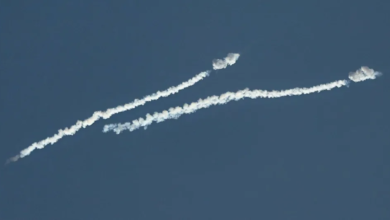
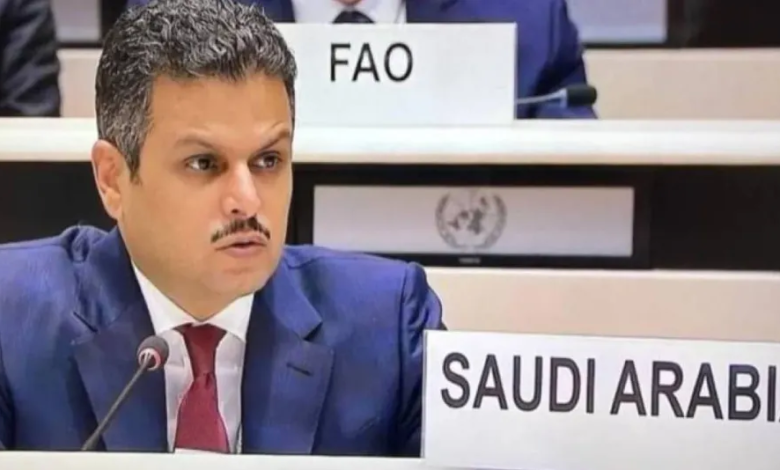
The Kingdom of Saudi Arabia has firmly affirmed that Iran’s continued aggression and blatant interference in the affairs of the region’s countries will not go unpunished. It stressed that these practices will exact a heavy political and economic price from Tehran and will inevitably deepen its isolation on both the regional and international stages. This stance comes amidst ongoing tensions in the Middle East, as the Kingdom strives to establish security and stability and protect its national resources.
The historical context of relations and tensions
Historically, relations between Saudi Arabia and Iran have been marked by numerous periods of tension, often fueled by Iranian expansionist policies and its support for armed militias in several Arab countries, including Yemen, Lebanon, Iraq, and Syria. The region has suffered for years from the repercussions of these interventions, which have included direct and indirect attacks on vital economic infrastructure. Perhaps the most prominent of these attacks were the 2019 attacks on Saudi oil facilities in Abqaiq and Khurais, in which international investigations confirmed the involvement of Iranian weapons. Despite diplomatic efforts and recent agreements brokered by international parties to restore relations, any continued hostile behavior threatens to undermine these efforts and return the region to a state of renewed tension.
The political price and diplomatic isolation
Politically, Tehran’s continued hostile approach undermines any chance of building genuine trust with its neighbors. The international community, represented by the United Nations and the Security Council, views these actions with grave concern, as they violate the UN Charter and the principles of good neighborliness. These policies increase Iran’s diplomatic isolation and make it difficult for Western and regional states to engage in any constructive dialogue with it, thus weakening its position in any international negotiations, including those related to its nuclear program.
The costly economic repercussions
Economically, Iran is paying a heavy price for its destabilizing policies. International sanctions, closely linked to its regional behavior and support for militias, have led to a sharp decline in the value of its currency, soaring inflation, and a reluctance to invest in foreign countries. Continued aggression will only perpetuate and intensify these sanctions, depriving the Iranian people of development and prosperity and draining the country's resources to finance pointless and destructive foreign conflicts.
Impact on regional and international security
Regionally and internationally, Iranian aggression poses a direct threat to maritime security in vital waterways such as the Strait of Hormuz and the Red Sea, negatively impacting global energy supplies and international trade. This threat is prompting major powers to bolster their military presence in the region to protect their interests, further complicating the security landscape and undermining prospects for comprehensive development in the Middle East.
Summary of the Saudi position
In conclusion, Saudi Arabia consistently affirms its commitment to peace and cooperation based on mutual respect and non-interference in internal affairs. However, it also possesses the capability and the will to protect its national security and the interests of its people. The ball is now in the Iranian leadership's court to demonstrate good faith through actions, not just words, and to abandon its policy of exporting crises in order to avoid further isolation and the political and economic losses that will burden Tehran for years to come.