تشهد المملكة العربية السعودية حالياً حالة من عدم الاستقرار الجوي مصحوبة بانخفاض ملموس في درجات الحرارة، حيث كشف المركز الوطني للأرصاد في تقريره اليوم السبت أن مدينة تبوك سجلت أدنى درجة حرارة على مستوى مدن المملكة، والتي بلغت درجة مئوية واحدة فقط. وتأتي هذه البيانات تأكيداً على استمرار الموجة الباردة إلى شديدة البرودة التي تسيطر على أجواء عدة مناطق في البلاد.
تفاصيل درجات الحرارة المسجلة في مدن المملكة
أوضح المركز الوطني للأرصاد تفاصيل القراءات الحرارية الدنيا، حيث لم تكن تبوك الوحيدة التي عانت من البرودة الشديدة. فقد سجلت محافظات الدوادمي، وطريف، والقريات، والطائف درجات حرارة متدنية بلغت درجتين مئويتين. وفي السياق ذاته، سجلت حائل وسكاكا ثلاث درجات مئوية، بينما توقفت المؤشرات عند أربع درجات مئوية في كل من بريدة، وبيشة، ورفحاء، مما يعكس شمولية الموجة الباردة لمناطق واسعة من الشمال والوسط.
climatic context and the impact of air masses
تأتي هذه الموجة الباردة ضمن السياق الطبيعي لمناخ المملكة في فصل الشتاء، حيث تتأثر المناطق الشمالية والوسطى عادةً بتقدم كتل هوائية قطبية باردة قادمة من الشمال. وتعد هذه الفترة من العام ذروة موسم البرد، حيث تنخفض درجات الحرارة الصغرى بشكل حاد، خاصة خلال ساعات الليل والصباح الباكر. ويساهم الموقع الجغرافي للمناطق الشمالية وقربها من المؤثرات المناخية القادمة من بلاد الشام وشرق البحر المتوسط في جعلها الأكثر عرضة لهذه الانخفاضات.
توقعات الطقس وتأثيراته المحتملة
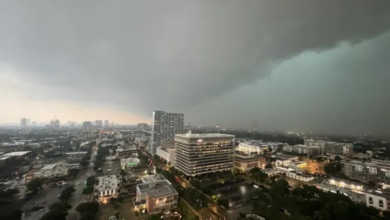
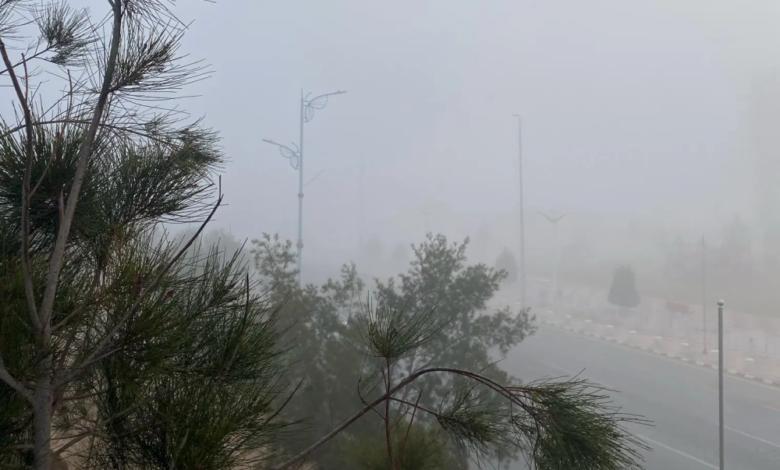
توقع المركز استمرار الأجواء الباردة إلى شديدة البرودة خلال الأربع والعشرين ساعة القادمة على مناطق شمال ووسط المملكة، بالإضافة إلى مرتفعات مكة المكرمة والباحة. وحذر المركز من فرصة تكون الضباب والصقيع، وهو ما يحمل تأثيرات هامة على المستويين المحلي والخدمي:
- تنبيهات لقائدي المركبات: يؤدي تشكل الضباب الكثيف إلى تدني مدى الرؤية الأفقية، مما يستوجب الحذر الشديد أثناء القيادة على الطرق السريعة والمفتوحة.
- القطاع الزراعي: يشكل الصقيع خطراً على المحاصيل الزراعية في المناطق الشمالية، مما يستدعي اتخاذ المزارعين للتدابير الوقائية اللازمة لحماية مزروعاتهم من التلف.
حالة الرياح والبحر في المناطق الساحلية
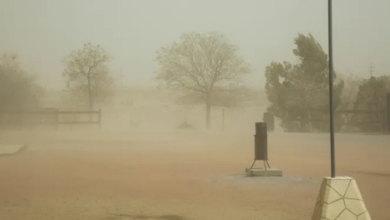
وفيما يخص المناطق الساحلية، أشار التقرير إلى استمرار تأثير الرياح النشطة المثيرة للأتربة والغبار على أجزاء من المنطقة الشرقية، وتبوك، والمدينة المنورة، ومكة المكرمة. وعن الحالة البحرية، أوضح المركز التالي:
- البحر الأحمر: رياح شمالية شرقية إلى شمالية بسرعة تصل إلى 40 كم/ساعة على الجزأين الشمالي والأوسط، مع ارتفاع للموج يصل إلى مترين.
- الخليج العربي: رياح غربية إلى شمالية غربية قد تصل سرعتها إلى أكثر من 50 كم/ساعة مع تكون السحب الرعدية الممطرة، مما قد يؤدي إلى ارتفاع الموج لأكثر من مترين وتحول البحر إلى مائج في فترات النشاط الرعدي.