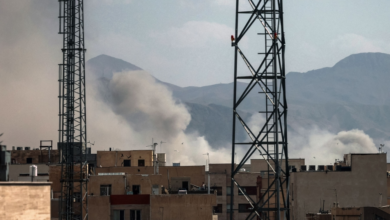
Saudi Arabia's weather today: Hail is the coldest, with temperatures dropping by 3 degrees, and thunderstorms are expected

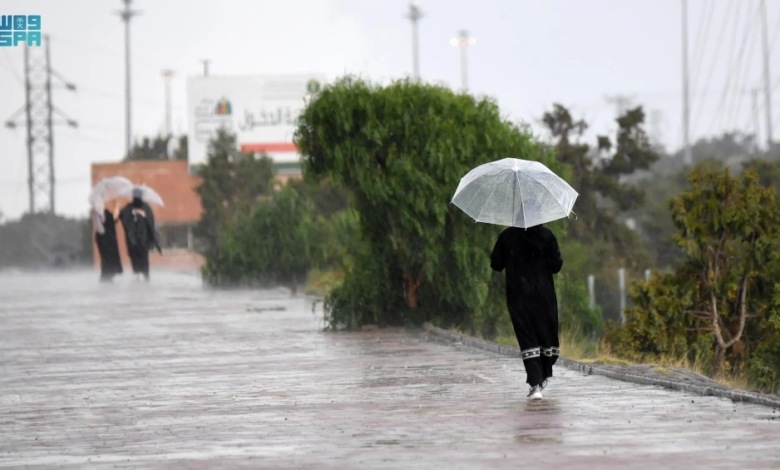
Saudi Arabia experienced a significant drop in temperatures on Thursday, January 29th, with Hail recording the lowest temperature at just 3 degrees Celsius, reflecting the cold wave affecting the northern and central regions at this time of year. Sakaka recorded 5 degrees Celsius, followed by Tarif at 6 degrees. Dawadmi, Qurayyat, Rafha, and Buraidah all recorded 7 degrees Celsius, while Arar reached 8 degrees.
National Center of Meteorology forecasts
The National Center for Meteorology issued its daily weather report, indicating the continuation of unstable weather conditions across the country. The forecast includes continued chances of thunderstorms accompanied by hail, as well as active surface winds that may reduce horizontal visibility. This weather pattern will affect large parts of the Eastern Province, Riyadh, Makkah, Al-Baha, Asir, and Jazan.
Climate context and the impact of cold waves
This weather pattern is part of the Kingdom's normal winter climate, specifically during the "Al-Murabba'aniyah" period and the days that follow. During this time, the northern and central regions are typically affected by cold air masses from the north, leading to a sharp drop in temperatures, particularly at night and in the early morning. Hail and the northern regions (Al-Jawf and the Northern Borders) are the most susceptible to these cold waves due to their geographical nature and location, resulting in them recording the lowest temperatures in the Kingdom annually at this time of year.
Public safety and road traffic alerts
Due to continued dust-laden winds affecting parts of Al-Jawf and the Northern Borders regions, and the possibility of dense fog forming during the night and early morning hours, weather experts and relevant authorities advise drivers to exercise caution on highways and open roads. Residents in areas experiencing significantly lower temperatures are also advised to take necessary precautions to keep warm, especially for children and the elderly, to avoid seasonal colds.
State of the Red Sea and the Arabian Gulf
Regarding the sea conditions, the report explained that the surface wind movement on the Red Sea will be northwesterly to northerly on the northern and central parts at a speed of up to 30 km/h, and southeasterly to easterly in the south, with a wave height that may reach two and a half meters in the event of thunderstorms, making the sea state rough at that time.
In the Arabian Gulf, the winds shift from southeasterly to northwesterly at night, and their speed may reach 50 km/h with rain-bearing thunderclouds over the northern part, leading to waves rising to more than two meters, which calls for the attention of seafarers and fishermen in those areas.