Saudi Arabia weather: Temperature drop in Hail and Riyadh, weather warnings issued

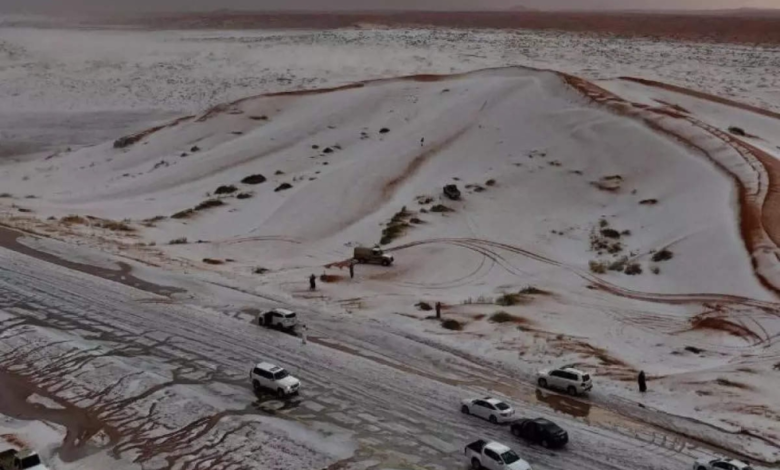
Large areas of Saudi Arabia experienced a significant and sharp drop in temperatures early Thursday morning, March 5th, with the city of Hail the lowest temperature at 4 degrees Celsius, a clear indication of the continued influence of cold air masses on the Kingdom's weather. This drop reflects the weather fluctuations characteristic of the transitional period between winter and spring.
Temperature details in Saudi cities
According to data from meteorological authorities, Hail was not the only city to experience the bitter cold; the effects extended to the cities of Tarif and Buraidah , which recorded temperatures as low as 5 degrees Celsius. Similarly, climate indicators recorded temperatures as low as 6 degrees Celsius in both Arar and Qurayyat , confirming the widespread nature of the cold wave across the northern and northwestern regions.
Riyadh, was not immune to this wave, as it recorded the same temperature of 7 degrees Celsius as the governorates of Rafha and Qaisumah, which prompted residents to return to heavy winter clothes and heating devices to cope with the cold weather in the early morning hours.
The climatic and geographical context of the cold wave
This cold wave is part of the Kingdom's typical climatic pattern for March, a month known locally for its rapid weather fluctuations. Northern regions of the Kingdom, such as Tarif, Arar, and Hail, are the first to receive cold fronts originating from the eastern Mediterranean or, occasionally, the Siberian highlands, consistently experiencing lower temperatures compared to central and eastern parts of the country.
Historically, at this time of year, the Kingdom experiences what is known as "the old woman's cold" or the end of the actual winter season, where temperatures drop suddenly before gradually rising with the arrival of spring. These periods usually require close monitoring of weather forecasts due to their direct impact on daily and agricultural activities.
Important recommendations and guidelines
Given these climatic conditions, where temperatures are approaching zero degrees Celsius in some open areas, weather and health experts stress the need to follow a number of guidelines:
- Wearing winter clothes: especially for children and the elderly during the early morning hours to avoid catching colds.
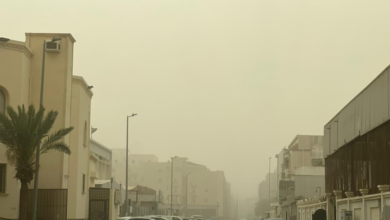
- Caution while driving: Fog may form in some northern areas or dust-raising winds may accompany cold fronts.
- Follow the reports of the National Center of Meteorology: to obtain accurate and up-to-date information on wind movement and expected rainfall chances.
This variation in temperatures between low temperatures at night and moderate temperatures during the day is a prominent feature of the desert climate of the Arabian Peninsula, which requires citizens and residents to adapt their daily lifestyles to these changes in order to ensure their safety and comfort.