
Details of the Israeli airstrikes on Tehran airports
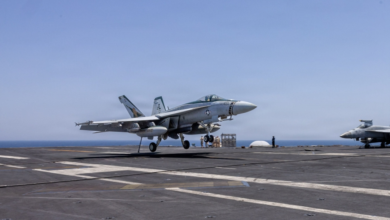
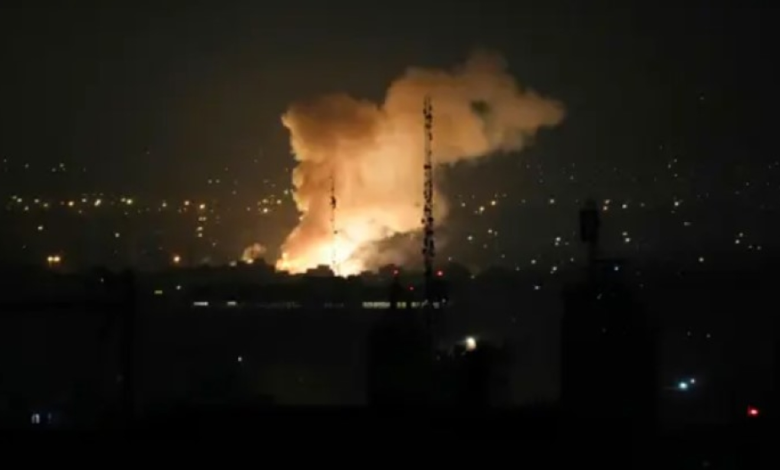
The Israeli military announced in an official statement on Monday that it had carried out a series of intensive overnight airstrikes targeting three major airports in the Iranian capital, Tehran. The statement explained that dozens of Israeli fighter jets participated in this complex operation, striking Iranian warplanes and helicopters, as well as vital military installations within the Bahram, Mehrabad, and Azmish airports. This move comes amid escalating military tensions in the Middle East, raising the specter of a new phase of direct confrontations.
In detailing the operation, the Israeli military statement focused specifically on Tehran's Mehrabad International Airport, one of the country's most vital hubs. The Israeli military described the airport as a key strategic and logistical center used by the Quds Force of the Iranian Revolutionary Guard Corps. According to Israeli claims, the airport is used to manage the transfer of advanced weapons and funds to armed groups and factions allied with Tehran throughout the region. The Israeli military asserted that these airstrikes aimed to "deepen the blows against the Iranian regime's air and logistical capabilities," thereby limiting its ability to support its regional allies.
General context and historical background of the conflict
These raids come within the context of a long history of “shadow war” between Israel and Iran, which has persisted for decades through cyberattacks, assassinations of nuclear scientists, and tit-for-tat attacks on commercial vessels. However, the shift to direct and declared airstrikes deep inside the Iranian capital, Tehran, represents a dangerous strategic shift. Historically, Israel has relied on a “campaign between wars” strategy to disrupt Iranian arms supply lines in Syria and Lebanon, but the recent escalation, particularly after the events of October 7 and the subsequent war in the Gaza Strip and clashes on multiple fronts, has pushed the conflict toward a direct and open confrontation between the two sides.
Strategic importance and impact of Israeli raids
Domestically, these strikes represent a significant security breach and a challenge to Iran's air defense systems, potentially putting internal pressure on the Iranian leadership to reassess its defense strategies and protect its sensitive facilities. Furthermore, the destruction of military aircraft and helicopters constitutes a direct material and military loss for the Iranian armed forces.
Regionally, targeting supply lines at Mehrabad Airport would temporarily disrupt the flow of weapons and logistical support to the “axis of resistance,” including factions in Lebanon, Syria, Iraq, and Yemen. This development could push the region to the brink of a full-blown regional war, especially if Tehran decides to respond militarily and directly to Israel, potentially igniting multiple fronts simultaneously.
Internationally, these developments are causing grave concern among the international community and major powers, particularly the United States, which seeks to prevent the conflict in the Middle East from escalating. The anticipated impact also extends to global markets, as tensions in this sensitive region are directly linked to energy prices and global oil supplies, posing new challenges to the global economy should the military escalation continue.