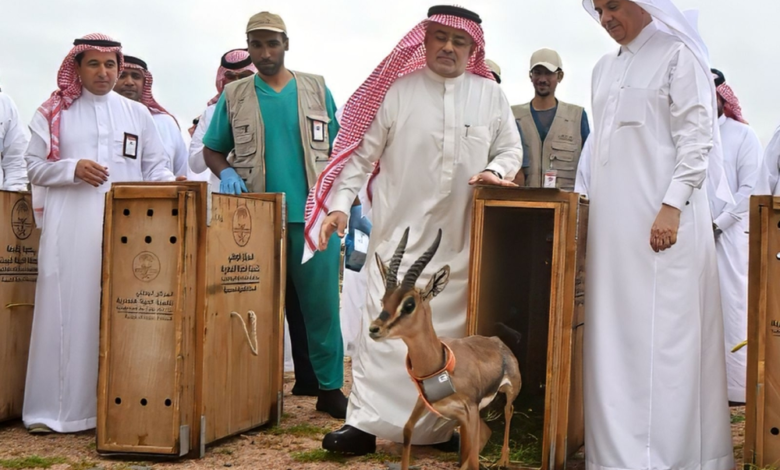

في خطوة تعكس التزام المملكة العربية السعودية بحماية البيئة واستعادة توازنها الطبيعي، أعلن المركز الوطني لتنمية الحياة الفطرية عن تحقيق رقم قياسي جديد في برامج إعادة التوطين، حيث تجاوز إجمالي أعداد الكائنات الفطرية التي تم إطلاقها في المتنزهات والمحميات الطبيعية حاجز الـ 10 آلاف كائن فطري. هذا الإنجاز يأتي تتويجاً لجهود حثيثة تهدف إلى إكثار الأنواع المحلية المهددة بالانقراض وإعادتها إلى بيئاتها الأصلية.
استعادة التوازن البيئي ورؤية 2030
تكتسب هذه الخطوة أهمية استراتيجية كبرى ضمن سياق «مبادرة السعودية الخضراء» ورؤية المملكة 2030، التي تضع حماية البيئة واستدامتها في مقدمة أولوياتها. وتعمل هذه الإطلاقات على معالجة التدهور البيئي الذي حدث في العقود الماضية نتيجة الصيد الجائر والزحف العمراني، مما أدى إلى تناقص أعداد العديد من الأنواع الأصيلة. وتساهم عودة هذه الكائنات في إحياء النظم البيئية المتدهورة، ومكافحة التصحر، وتعزيز السياحة البيئية كرافد اقتصادي مستدام.
تنوع الأنواع والمواقع المستهدفة
شملت عمليات الإطلاق التي نفذها المركز أكثر من 80 نوعاً من الكائنات ذات الأولوية الوطنية. وتضمنت القائمة أنواعاً أيقونية ارتبطت بتاريخ الجزيرة العربية، مثل:
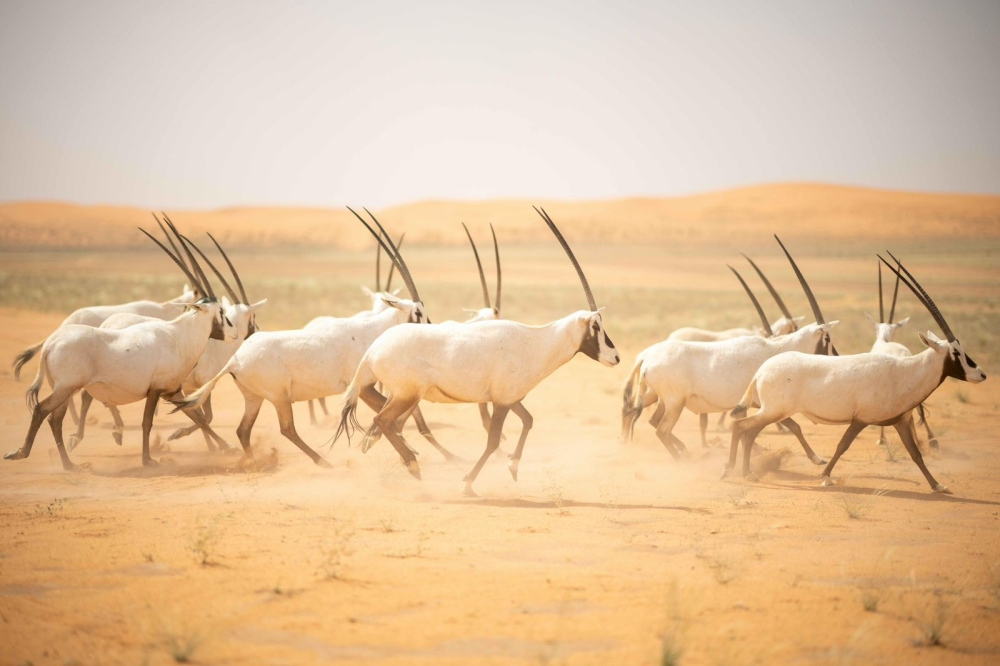
- المها الوضيحي: الذي يعتبر رمزاً لنجاح برامج الحماية بعد أن كان مهدداً بالانقراض التام.
- ظباء الريم والإدمي: التي تلعب دوراً حيوياً في السلسلة الغذائية.
- الوعول الجبلية: التي تعيد الحياة للمناطق الصخرية والجبلية.
- الطيور: مثل الحبارى والنعام والقطا، التي تساهم في نقل البذور وتلقيح النباتات.
وقد توزعت عمليات الإطلاق على أكثر من 60 موقعاً بيئياً مختلفاً، شملت المحميات الملكية، والمحميات الطبيعية، والمتنزهات الوطنية، بالإضافة إلى مواقع المشاريع الكبرى، مما يضمن انتشاراً جغرافياً واسعاً يعزز من فرص بقاء هذه الأنواع وتكاثرها.
الأسس العلمية وتوسع برامج الإكثار
أوضح الرئيس التنفيذي للمركز، الدكتور محمد علي قربان، أن هذه العمليات لا تتم بشكل عشوائي، بل تستند إلى دراسات علمية دقيقة تراعي القدرة الاستيعابية للموائل الطبيعية والتوزيع التاريخي للأنواع. وأشار إلى أن إطلاق الكائنات يساهم في تكوين جماعات برية قادرة على التكاثر الذاتي، مما يرفع من التنوع الوراثي ويعزز مقاومة القطعان للأمراض.
وفي إطار خططه المستقبلية الطموحة، نجح المركز في رفع عدد برامج الإكثار من 7 برامج إلى 21 برنامجاً حالياً، مع استهداف الوصول إلى 50 برنامج إكثار بحلول عام 2030. وتمر هذه العملية بمراحل دقيقة تبدأ من اختيار السلالات النقية جينياً في مراكز الأبحاث، مروراً بالرعاية البيطرية المكثفة، وصولاً إلى مرحلة التأهيل للإطلاق والمتابعة الميدانية باستخدام أحدث التقنيات لضمان استدامة هذه الكائنات في بيئاتها الجديدة.