
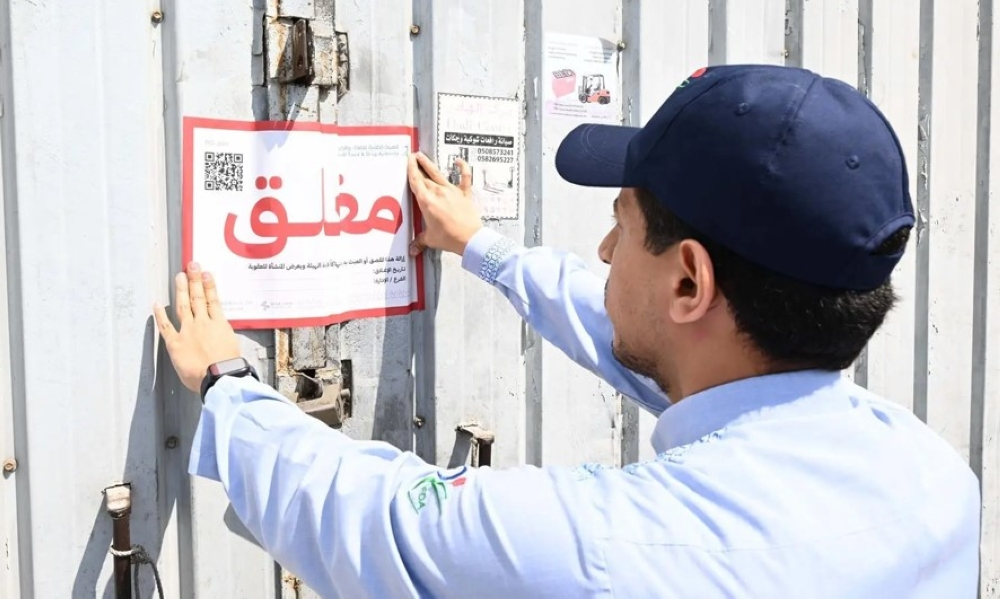
في إطار الاستعدادات المكثفة لاستقبال موسم شهر رمضان المبارك، نفذت الهيئة العامة للغذاء والدواء حملات رقابية واسعة النطاق في العاصمة المقدسة، أسفرت عن إغلاق عدد من المنشآت الغذائية المخالفة للاشتراطات الصحية والفنية.
جولات ميدانية مكثفة استعداداً لرمضان
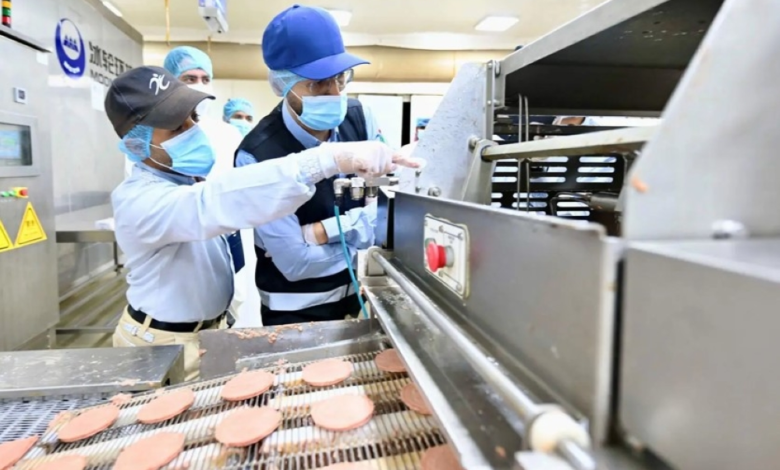
وقف الرئيس التنفيذي للهيئة، الأستاذ الدكتور هشام بن سعد الجضعي، ميدانياً على جاهزية منظومة الرقابة في مكة المكرمة. وشملت الجولة التفقدية زيارة عدد من المصانع ومستودعات التخزين الغذائي، للتأكد من التزامها باللوائح الفنية والمواصفات القياسية المعتمدة. وتأتي هذه التحركات الاستباقية لضمان سلامة المنتجات الغذائية التي يكثر الطلب عليها خلال الشهر الفضيل، مما يعكس حرص الجهات المعنية على توفير غذاء آمن وسليم للمعتمرين وسكان المنطقة.
أهمية الرقابة في العاصمة المقدسة
تكتسب هذه الحملات أهمية استراتيجية خاصة نظراً لمكانة مكة المكرمة التي تشهد توافد ملايين المعتمرين والزوار خلال موسم رمضان. ويشكل الضغط الكبير على سلاسل الإمداد الغذائي تحدياً يتطلب رقابة صارمة لضمان عدم تسرب أي منتجات غير صالحة للاستهلاك أو مجهولة المصدر إلى الأسواق. وتعمل الهيئة ضمن منظومة متكاملة تهدف إلى حماية الصحة العامة وتعزيز موثوقية الغذاء المقدم لضيوف الرحمن، وهو ما يتماشى مع مستهدفات المملكة في تحسين جودة الحياة وخدمة الحجاج والمعتمرين.
عقوبات صارمة: غرامات وسجن
أكدت الهيئة العامة للغذاء والدواء أنها لن تتهاون في تطبيق العقوبات النظامية بحق المخالفين، وذلك وفقاً لنظام الغذاء ولائحته التنفيذية. وتشمل هذه العقوبات إجراءات رادعة تصل إلى:
- فرض غرامات مالية ضخمة قد تصل إلى 10 ملايين ريال.
- إغلاق المنشأة المخالفة بصفة مؤقتة أو نهائية وسحب التراخيص.
- عقوبة السجن للمتسببين في تداول أغذية ضارة بالصحة.
وتهدف هذه الصرامة في تطبيق القانون إلى ردع أي ممارسات قد تهدد سلامة المستهلك، وضمان التزام جميع المنشآت بأعلى معايير الجودة والتخزين والنقل.
التزام بالمعايير ورقابة ذكية
ركزت الجولات التفتيشية على التحقق من سلامة خطوط الإنتاج، ومطابقة البيانات الغذائية (البطاقة التغذوية)، والالتزام باشتراطات التخزين الجيد لضمان عدم تلف الأغذية نتيجة سوء الحفظ. وشدد الدكتور الجضعي خلال جولته على ضرورة تطبيق الممارسات التشغيلية السليمة في كافة مراحل السلسلة الغذائية، بدءاً من المواد الخام وصولاً إلى المنتج النهائي في الأسواق، مؤكداً استمرار الحملات الرقابية طوال الفترة القادمة لضمان خلو الأسواق من أي مخالفات.