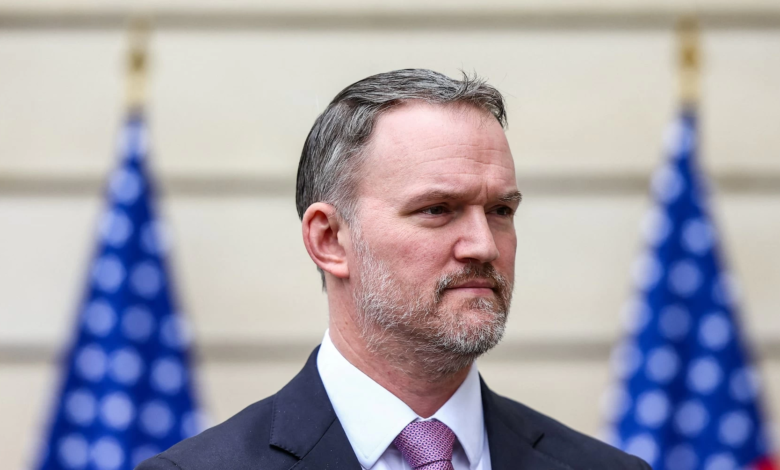

The United States, through its Trade Representative Jamison Greer, threatened to reimpose high tariffs on European Union goods unless Brussels fulfills its commitments under the trade agreement between the two sides before the July 4th deadline. This statement reflects a new chapter in the trade tensions that plagued transatlantic relations during the administration of former President Donald Trump.
In an interview with Fox Business Network, Greer explained that he had held talks with European trade officials during his visit to Europe, expressing his belief that they are "focused" on implementing the required changes. He added, "They assured me of their commitment to compliance, and we hope that's the case, but we are monitoring the situation closely. If that doesn't happen, the United States will revert to the previous tariff structure.".
Background to trade tensions between Washington and Brussels
This threat stems from the trade policy adopted by President Donald Trump's administration under the banner of "America First," which sought to renegotiate global trade agreements and reduce the US trade deficit. In this context, Washington imposed tariffs on steel and aluminum imports from several countries, including its allies in the European Union, provoking angry reactions and retaliatory measures from Brussels.
Disputes over subsidies to the aircraft manufacturing industry (Boeing and Airbus) and the threat of tariffs on European cars were among the most prominent points of contention. President Trump and then-European Commission President Jean-Claude Juncker reached a temporary truce in 2018, agreeing to work toward removing trade barriers, an agreement Trump referred to as the one reached in Scotland.
Importance and potential impacts
This potential escalation carries broad economic and geopolitical implications. Economically, the reimposition of US tariffs, particularly on the automotive sector, would severely harm major European economies, especially Germany, where the automotive industry is the backbone of the economy. Conversely, US consumers could face higher prices for European goods, and American exporters, particularly in the agricultural sector, could be subject to retaliatory tariffs from the European Union.
On the international level, a full-blown trade war between the world's two largest economies would destabilize global trade, slow global economic growth, and increase uncertainty in financial markets. Such tensions would also weaken the traditional Western alliance in addressing other global challenges and negatively impact joint coordination on political and security issues.