Food and Drug Administration seizes 21 tons and closes 6 facilities in Ramadan campaigns

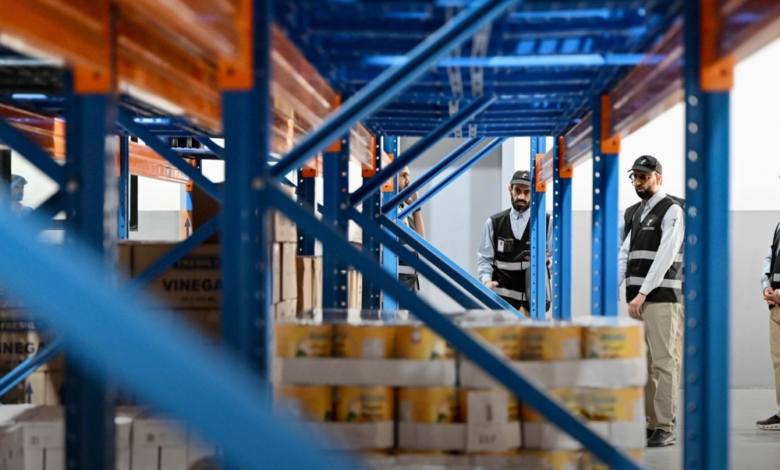
As part of its ongoing efforts to ensure food and drug safety, the Saudi Food and Drug Authority ( its monitoring and inspection operations across the Kingdom of Saudi Arabia, within a comprehensive strategic plan coinciding with the holy month of Ramadan. These measures aim to enhance compliance with regulations in facilities under the SFDA's supervision and ensure the availability of safe and wholesome products for consumers during a season that witnesses a significant increase in consumption rates.
Results of the monitoring campaigns in numbers
The authority revealed the results of its field inspections conducted during the month of Sha'ban, during which its monitoring teams carried out 1,578 inspection tours covering all regions of the Kingdom. These tours targeted 310 factories and 1,017 warehouses for food, medicine, and medical devices. These meticulous efforts resulted in:
- Six establishments were closed for violating technical and health requirements.
- More than 21 tons of counterfeit products were seized before reaching the markets.
- Checking the safety of 4346 products in 793 visited facilities.
Strategic context and the importance of timing
These campaigns are particularly important given the timing of the holy month of Ramadan, a period of heightened commercial activity and increased demand for food products in Saudi markets. The Saudi Food and Drug Authority (SFDA), in line with its historical and regulatory role, is proactively implementing rigorous monitoring plans to prevent the circulation of any products that may pose a risk to public health or are of unknown origin. This aligns with the goals of the Kingdom's Vision 2030 to enhance the quality of life and raise health and safety standards for citizens and residents.
The Two Holy Mosques are a top priority
The authority explained that its monitoring plan gave exceptional attention to the Makkah and Madinah , given the high population density and the large influx of pilgrims and visitors to the Two Holy Mosques during the holy month. A separate monitoring plan was allocated to these two regions to ensure the safety of food provided to pilgrims, reflecting the Kingdom's commitment to providing the highest quality services and safety standards to visitors of the holy sites.
Economic and health impacts and deterrent penalties
The importance of these seizures extends beyond public health; they also protect the national economy from unfair business practices and commercial fraud. Seizing counterfeit products contributes to strengthening consumer confidence in the Saudi market.
In this context, the authority reiterated its strong warnings to violators, stressing that the penalties for violating the food system and its implementing regulations are extremely severe, and may reach:
- Financial penalties of up to 10 million Saudi Riyals .
- Prison for those who overstep the mark.
- Suspension of business activity and withdrawal of licenses.
The authority called on all consumers to be partners in monitoring by reporting any violations that are observed by calling the unified number (19999), in order to strengthen the principle of community partnership in protecting public health.