
قرار تاريخي: ذبح الأضاحي متاح في المطاعم وقصور الأفراح لأول مرة
في خطوة غير مسبوقة تعكس التطور في إدارة الشعائر الدينية وتلبية احتياجات المجتمع الحديث، أعلنت الجهات المختصة عن السماح بذبح الأضاحي في المطاعم وقصور الأفراح المعتمدة، وذلك لأول مرة. يأتي هذا القرار ليفتح آفاقاً جديدة أمام المواطنين لأداء شعيرة الأضحية بيسر وسهولة، مع ضمان أعلى معايير الصحة والسلامة العامة.
الأضحية: شعيرة دينية ذات جذور عميقة
تُعد الأضحية من الشعائر الإسلامية الجليلة التي يؤديها المسلمون في عيد الأضحى المبارك، تخليداً لقصة النبي إبراهيم عليه السلام. تتجلى أهمية هذه الشعيرة في التقرب إلى الله تعالى، وإطعام الفقراء والمحتاجين، وتعزيز قيم التكافل الاجتماعي. تقليدياً، كانت عملية الذبح تتم في المسالخ المخصصة أو في المنازل والمزارع، لكن التوسع العمراني وزيادة الكثافة السكانية فرضت تحديات جديدة تتطلب حلولاً مبتكرة.
تحديات الطرق التقليدية والحاجة إلى التحديث
لطالما واجهت المسالخ المركزية ضغطاً هائلاً خلال أيام عيد الأضحى، مما أدى في بعض الأحيان إلى ازدحام شديد، وصعوبات لوجستية، وتحديات في الحفاظ على معايير النظافة والصحة العامة بشكل مثالي. كما أن الذبح العشوائي في غير الأماكن المخصصة قد يسبب مشكلات بيئية وصحية، فضلاً عن عدم توفر الرقابة البيطرية اللازمة لضمان سلامة اللحوم.
القرار الجديد: رؤية مستقبلية لإدارة الشعائر
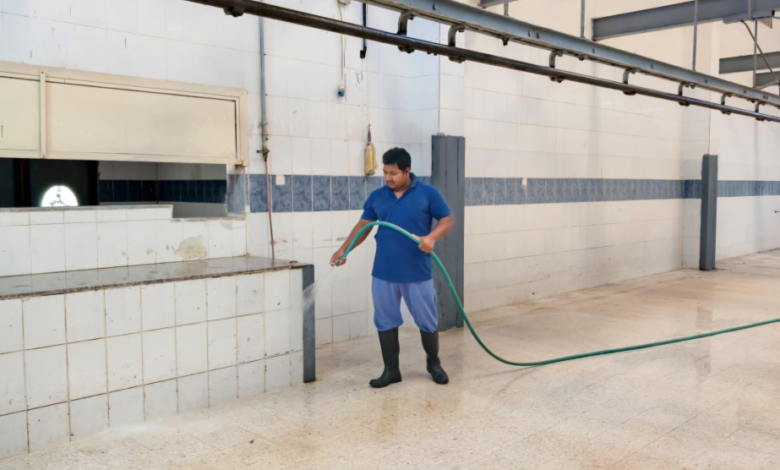
يهدف هذا القرار إلى تخفيف الضغط عن المسالخ الرئيسية، وتوفير خيارات متعددة للمضحين، وضمان بيئة صحية ونظيفة لعملية الذبح. من المتوقع أن تخضع المطاعم وقصور الأفراح الراغبة في تقديم هذه الخدمة لشروط ومعايير صارمة، تشمل الحصول على تراخيص خاصة، وتوفير مساحات مجهزة للذبح والتقطيع، وتطبيق إجراءات صحية وبيطرية دقيقة، بالإضافة إلى تدريب العاملين على أفضل الممارسات.
التأثيرات المتوقعة: راحة للمواطنين ودعم للاقتصاد
من شأن هذا التوجه الجديد أن يوفر راحة كبيرة للمواطنين، حيث يمكنهم أداء شعيرتهم في أماكن قريبة ومجهزة، مع ضمان جودة الخدمة وسلامة الأضاحي. على الصعيد الاقتصادي، يمثل القرار فرصة للمطاعم وقصور الأفراح لتنويع مصادر دخلها وتقديم خدمات جديدة، مما قد يسهم في دعم الاقتصاد المحلي وخلق فرص عمل. كما أنه يعزز من الرقابة الصحية والبيطرية على مستوى أوسع، مما ينعكس إيجاباً على الصحة العامة.
تحديات التنفيذ والآفاق المستقبلية
بالرغم من الإيجابيات المتوقعة، يتطلب نجاح هذا القرار تنسيقاً فعالاً بين الجهات الحكومية، والمؤسسات الدينية، والقطاع الخاص. يجب وضع آليات واضحة للرقابة والتفتيش، وضمان التزام جميع الأطراف بالمعايير المحددة. هذا القرار يمثل خطوة جريئة نحو تحديث إدارة الشعائر الدينية في المدن الحديثة، ويفتح الباب أمام مزيد من الابتكارات التي تجمع بين الأصالة والمعاصرة، وتلبي احتياجات المجتمع المتغيرة.