
نقلة نوعية في خدمات ضيوف الرحمن
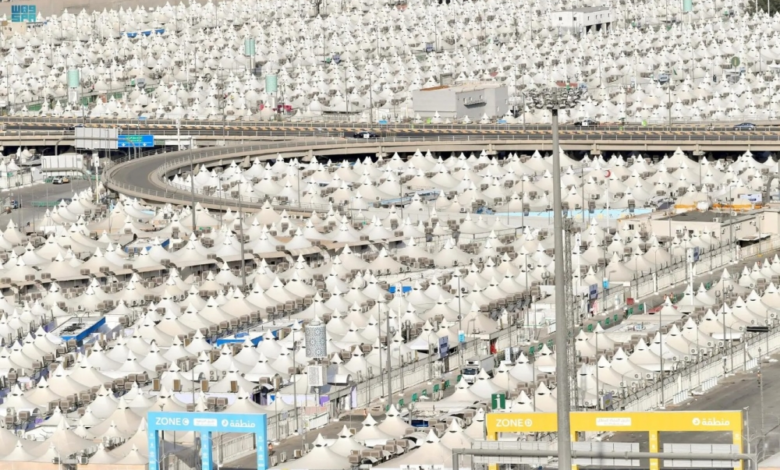
في خطوة استراتيجية تعكس التطور التقني المتسارع الذي تشهده المملكة العربية السعودية، أطلقت وزارة السياحة خدمة “التسكين الذكي” لضيوف الرحمن، وذلك بالتزامن مع الاستعدادات لموسم حج 1447هـ. تأتي هذه المبادرة الرائدة في إطار الجهود الحثيثة لتعزيز كفاءة العمليات التشغيلية ورفع جودة الخدمات المقدمة، بما يضمن توفير أقصى درجات الراحة والطمأنينة للحجاج عبر حلول رقمية متقدمة تعتمد بشكل أساسي على تقنيات الذكاء الاصطناعي وإنترنت الأشياء.
السياق العام والخلفية التاريخية للتحول الرقمي في الحج
على مر التاريخ، أخذت المملكة العربية السعودية على عاتقها شرف خدمة الحرمين الشريفين وقاصديهما، حيث تطورت آليات استقبال وتسكين الحجاج من الطرق التقليدية اليدوية إلى أنظمة إلكترونية متكاملة. ومع إطلاق “رؤية السعودية 2030″، وتحديداً “برنامج خدمة ضيوف الرحمن”، وضعت القيادة الرشيدة هدفاً استراتيجياً يتمثل في تيسير استضافة المزيد من المعتمرين والحجاج وتقديم خدمات ذات جودة عالية. وقد شكلت منصة “نسك” والبطاقات الذكية نقلة نوعية في هذا المسار، ليتوج هذا التطور اليوم بإطلاق خدمة التسكين الذكي التي تقضي على أوقات الانتظار الطويلة وتسهل انسيابية الحركة في مكة المكرمة والمدينة المنورة.
آلية عمل خدمة التسكين الذكي
أوضح المتحدث الرسمي لوزارة السياحة، نصر الأنصاري، أن خدمة التسكين الذكي تهدف بشكل رئيسي إلى رفع كفاءة عمليات استقبال الحجاج وتسكينهم بشكل لحظي. وتعمل الخدمة على تقليل وقت الانتظار عند الوصول إلى مقار السكن من خلال مشاركة بيانات الحجاج مسبقاً مع مقدمي خدمات الإسكان. وتتيح هذه التقنية التحقق من بيانات ضيوف الرحمن آلياً دون الحاجة لأي إجراءات يدوية معقدة، مما يعزز دقة الإجراءات ويحد بشكل كبير من الأخطاء البشرية.
وتبدأ رحلة الحاج ضمن هذه المنظومة المتطورة بمجرد إغلاق كشف الركاب في منفذ الوصول، حيث يتم إرسال البيانات فوراً إلى مقار السكن. يلي ذلك تجهيز بيانات الغرف والتوزيع المتوقع قبل وصول الحجاج. وعند وصولهم، يتم تسجيل دخولهم آلياً عبر بوابات ذكية مخصصة تقرأ “بطاقة نسك” الخاصة بكل حاج، مع متابعة الحالة التشغيلية عبر لوحة تحكم موحدة وإصدار تقارير تحليلية دقيقة.
أهمية الحدث وتأثيره المتوقع
- على الصعيد المحلي: تسهم الخدمة في تمكين الجهات التشغيلية وقطاع الإيواء السياحي من متابعة الحالة اللحظية لوصول الحجاج، وإدارة توزيعهم على المساكن بكفاءة أعلى. كما توفر أدوات دقيقة لقياس الأداء التشغيلي عبر مؤشرات زمن الوصول، ومدة التشغيل، ونسب الإشغال، مما يدعم غرف العمليات في اتخاذ قرارات استباقية مبنية على بيانات مباشرة.
- على الصعيدين الإقليمي والدولي: يعزز هذا التطور مكانة المملكة كدولة رائدة عالمياً في مجال إدارة الحشود الضخمة وتوظيف التقنيات الناشئة في قطاع السياحة الدينية. إن نجاح السعودية في أتمتة رحلة ملايين البشر في وقت ومكان واحد يقدم نموذجاً دولياً فريداً يمكن الاستفادة منه في الفعاليات العالمية الكبرى.
ختاماً، يأتي إطلاق خدمة التسكين الذكي ليؤكد التزام وزارة السياحة المستمر بتحسين تجربة ضيوف الرحمن، وتمكينهم من أداء مناسكهم بيسر وسهولة وطمأنينة، عبر تسخير أحدث ما توصلت إليه التكنولوجيا لخدمة الإسلام والمسلمين.