
مقدمة عن روبوتات المرور الذكية
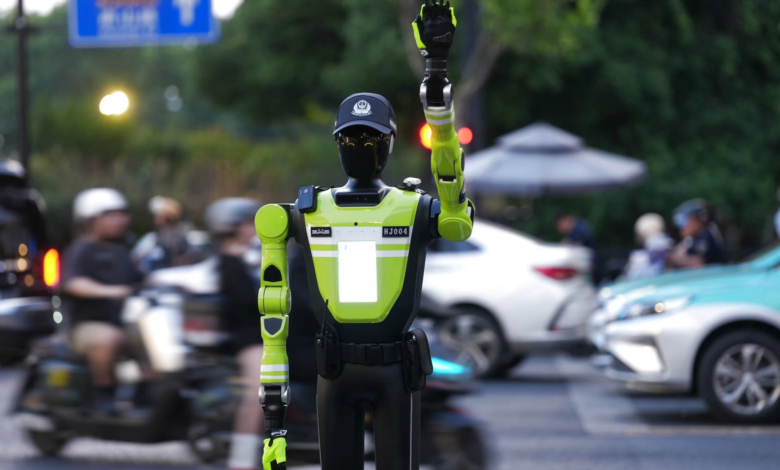
في خطوة تعكس التطور المتسارع في مجالات الذكاء الاصطناعي والمدن الذكية، بدأت بعض الشركات التكنولوجية الرائدة، لا سيما في الصين، بتصنيع روبوتات المرور المختصة في تسيير حركات السير وإدارة التقاطعات المزدحمة. هذه الروبوتات المتطورة تأتي مزودة بمجموعة معقدة من الاستشعارات والكاميرات الدقيقة التي تمكنها من استقبال التحديثات اللحظية وتحليل البيانات بناءً على الكثافة المرورية الفعلية في الشوارع. وكما أشارت صحيفة إيكونومي دايلي الصينية، فإن هذه التقنية لم تعد مجرد خيال علمي، بل أصبحت واقعاً ملموساً حيث تظهر الصور الميدانية روبوتات تقوم بتوجيه المركبات بكفاءة عالية.
السياق العام والتطور التاريخي لإدارة المرور
تاريخياً، مرت أنظمة إدارة المرور بعدة مراحل مفصلية. في البدايات، كان الاعتماد كلياً على شرطي المرور البشري لتوجيه السيارات والعربات في التقاطعات. ومع تزايد أعداد السيارات في منتصف القرن العشرين، ظهرت إشارات المرور الضوئية التقليدية كحل جذري لتنظيم الحركة. لاحقاً، تم دمج أنظمة التحكم الإلكتروني والكاميرات الحرارية لتعديل توقيت الإشارات بناءً على الازدحام. واليوم، نشهد نقلة نوعية جديدة تتمثل في دمج تقنيات الذكاء الاصطناعي والروبوتات المستقلة. روبوتات المرور تمثل الجيل الأحدث في هذه السلسلة التطورية، حيث تجمع بين القدرة على اتخاذ القرارات اللحظية والتفاعل المباشر مع البيئة المحيطة دون تدخل بشري.
كيف تعمل روبوتات المرور؟
تعتمد روبوتات المرور الحديثة على تقنيات إنترنت الأشياء (IoT) والتعلم الآلي. تقوم الاستشعارات المدمجة في هذه الروبوتات بجمع بيانات ضخمة حول سرعة المركبات، حجم التدفق المروري، وحتى الظروف الجوية. يتم معالجة هذه البيانات في أجزاء من الثانية لإصدار توجيهات مرورية دقيقة، سواء من خلال إشارات ضوئية مدمجة في الروبوت أو عبر حركات أذرع آلية تحاكي حركات شرطي المرور البشري. هذا التفاعل اللحظي يضمن تقليل الاختناقات المرورية وتسهيل مرور سيارات الطوارئ والإسعاف.
أهمية الحدث وتأثيره المتوقع
يحمل إطلاق روبوتات المرور تأثيرات واسعة النطاق على مستويات متعددة:
- التأثير المحلي: في الدول ذات الكثافة السكانية العالية مثل الصين، تساهم هذه الروبوتات في تخفيف العبء عن أفراد شرطة المرور، وحمايتهم من التعرض المستمر للتلوث البيئي والظروف المناخية القاسية، بالإضافة إلى تقليل الحوادث الناتجة عن الأخطاء البشرية.
- التأثير الإقليمي: بدأت العديد من دول الشرق الأوسط، وخاصة تلك التي تستثمر بكثافة في مشاريع المدن الذكية، في دراسة واختبار تقنيات مشابهة لدمجها في بنيتها التحتية المستقبلية، مما يعزز من كفاءة النقل الإقليمي ويقلل من الازدحامات الخانقة.
- التأثير الدولي: على الصعيد العالمي، تمثل هذه التكنولوجيا خطوة حاسمة نحو تحقيق رؤية القيادة الذاتية الكاملة. فروبوتات المرور قادرة على التواصل المباشر مع السيارات ذاتية القيادة، مما يخلق بيئة مرورية متكاملة وآمنة تقلل من الانبعاثات الكربونية الناتجة عن الوقوف الطويل في الازدحامات، وتدعم أهداف التنمية المستدامة.
الخلاصة
إن دخول روبوتات المرور إلى شوارعنا يمثل علامة فارقة في تاريخ النقل الحضري. من خلال الاستفادة من التحديثات اللحظية والاستشعارات المتقدمة، تثبت التكنولوجيا مجدداً قدرتها على تقديم حلول مبتكرة للتحديات اليومية. ومع استمرار الأبحاث والتطوير، من المتوقع أن تصبح هذه الروبوتات مشهداً مألوفاً في معظم المدن الكبرى حول العالم، مما يمهد الطريق لمستقبل أكثر أماناً وسلاسة في عالم النقل.