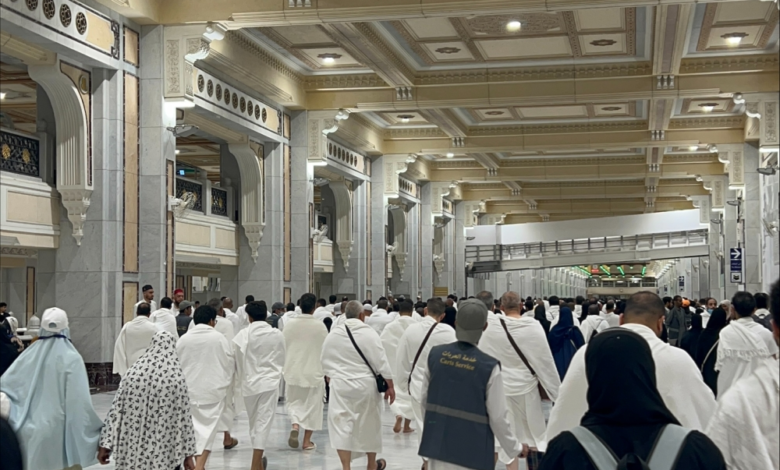
the Grand Mosque witnesses an exceptional display of faith during the blessed month of Ramadan, characterized by a remarkable smooth flow and unique harmony in the movement of pilgrims and worshippers. A recent field visit documented this spiritual atmosphere, highlighting the tremendous organizational efforts that transformed the immense human density into orderly scenes of tranquility and reverence.
Historical context and development of the Two Holy Mosques service system
Achieving this level of organization was not a sudden occurrence, but rather the culmination of decades of continuous development in the architecture of the Two Holy Mosques. Since the founding of the Saudi state, the leadership has given paramount importance to expanding the Grand Mosque, culminating in the Third Saudi Expansion, the largest in history. This colossal infrastructure, supported by the latest engineering technologies and crowd management systems, has formed the solid foundation that allows it to accommodate millions of pilgrims today while ensuring their safety and comfort, reflecting the Kingdom's unwavering commitment to its historical responsibility towards the Qibla of Muslims.
Record figures reflect operational efficiency
The field tour revealed remarkable figures announced by the General Authority for the Care of the Grand Mosque and the Prophet's Mosque, showing that more than nine and a half million iftar meals during the first third of Ramadan. This process is carried out with meticulous precision to ensure that the meals reach those fasting in their places without causing any disruption to traffic flow. Simultaneously, the Zamzam water distribution system stands out as a vital lifeline in the Grand Mosque, with the pumping of the blessed water exceeding 15,000 cubic meters to quench the thirst of worshippers through strategically located distribution points throughout the corridors and courtyards.
Crowd management and the human dimension
The professionalism of the staff working at the Grand Mosque is evident in their highly efficient crowd management, especially during peak times and the breaking of the fast. Their efforts extend beyond mere organization to encompass a profound humanitarian dimension. More than half a million visitors benefited from multilingual guidance and direction services, facilitating the rituals for pilgrims of all nationalities. The provision of wheelchairs for the elderly and people with disabilities stands as a testament to the comprehensive care provided, enabling hundreds of thousands to perform their religious rites with ease and dignity.
Impact and future prospects
This operational success in managing the Ramadan season sends reassuring messages to the Islamic world about the Kingdom's readiness to welcome pilgrims, and aligns directly with the objectives of Vision 2030 , which seeks to increase the capacity for Umrah pilgrims and enrich their religious and cultural experience. The smooth and integrated services witnessed today at the Grand Mosque represent a global model for managing large crowds, affirming that serving the Two Holy Mosques is an honor passed down through generations and continuously developed by national minds and hands, ensuring that the Holy House remains an oasis of peace and security.