The Somali president in Türkiye: The repercussions of the Somaliland and Israel issue

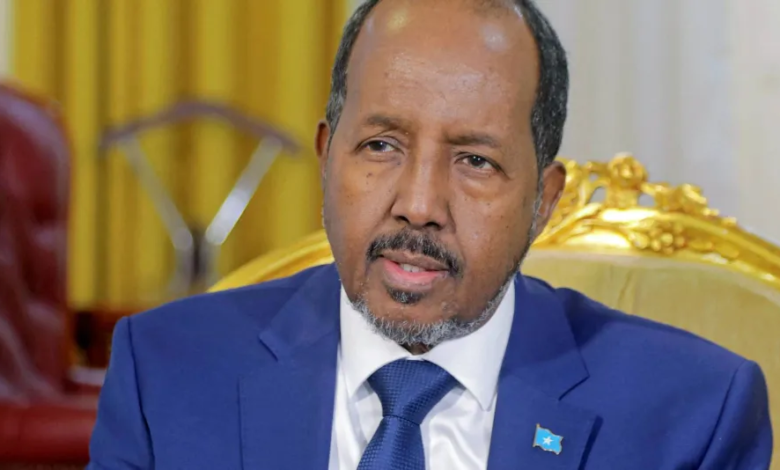
Somali President Hassan Sheikh Mohamud will travel to Turkey on Tuesday for an official visit of paramount strategic importance, coming at a highly sensitive time for the Horn of Africa. The visit will focus on recent developments concerning Somali territorial integrity, particularly following reports of Israeli moves toward recognizing the breakaway region of Somaliland, which Mogadishu considers a direct infringement on its national sovereignty.
Dimensions of the visit and strategic partnership
This visit underscores the depth of bilateral relations between Mogadishu and Ankara, with Turkey being a key strategic ally of Somalia for over a decade. The Somali president is expected to discuss with his Turkish counterpart, Recep Tayyip Erdoğan, ways to enhance security, military, and diplomatic cooperation to address current challenges. The Somali government views Turkey as a reliable partner capable of providing political support in international forums to preserve Somalia's unity and territorial integrity against any attempts at secession or foreign interference.
Historical background: Turkish-Somali relations
Relations between the two countries have undergone a transformation since President Erdoğan's historic visit to Mogadishu in 2011, at a time when the world was largely ignoring the famine that had struck the country. Since then, Turkey has provided substantial support in the areas of infrastructure, education, and healthcare, as well as in rebuilding the Somali army. Somalia hosts Turkey's largest military base outside of Anatolia (Türksom Air Base), which trains thousands of Somali soldiers, making military coordination a central focus of this urgent visit.
The issue of “Somaliland” and foreign interventions
The region of Somaliland unilaterally declared its independence from Somalia in 1991 following the collapse of the central government, but it has not received formal international recognition. The regional government is actively seeking international allies to gain this recognition, including engaging with regional and international powers such as Ethiopia and Israel. These efforts are causing concern for the federal government in Mogadishu, which views any recognition of Somaliland as a violation of international law and the African Union Charter, which stipulates respect for borders inherited at independence.
Expected regional and international impact
These developments have far-reaching geopolitical implications that extend beyond Somalia's borders:
- Red Sea security: The stability of Somalia is integral to the security of the Red Sea and the Bab el-Mandeb Strait. The entry of new players, such as Israel, through the gateway of “Somaliland,” could alter the balance of power in this vital waterway.
- The Turkish position: Ankara is expected to renew its full support for Somalia’s sovereignty, and the meeting may result in the activation of new defense agreements or the strengthening of the Turkish naval presence in Somali waters to protect economic resources and national sovereignty.
- Regional tension: Unilateral recognition of “Somaliland” may increase tension with neighboring countries and push the region towards an arms race or opposing alliances, making Somali-Turkish coordination an urgent necessity to regulate the diplomatic and security pace in the next stage.