
Oil prices continue to rise amid heightened geopolitical tensions
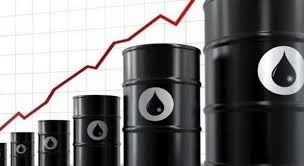
Global energy markets have witnessed dramatic shifts, with oil prices continuing their significant rise for the third consecutive session today. This sharp increase comes amid an unprecedented escalation in rhetoric from US President Donald Trump against Iran, who threatened harsher military and economic measures if Tehran does not reopen the Strait of Hormuz. This strait is a key strategic waterway and vital for global oil transport, through which a large portion of the world's energy supply passes.
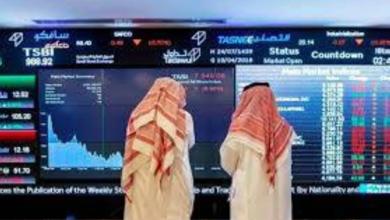
In terms of figures and trading, these tensions were immediately reflected on the screens, with Brent crude futures rising by $0.97, or 0.97%, to reach $110.80 per barrel. Meanwhile, West Texas Intermediate (WTI) crude futures saw an even larger jump of $1.47, or 1.31%, settling at $113.90 per barrel, reflecting the prevailing anxiety among investors.
Historical background and strategic importance of the Strait of Hormuz
Historically, the Strait of Hormuz, which connects the Persian Gulf, the Gulf of Oman, and the Arabian Sea, is considered the world's most important oil chokepoint. Reliable data indicates that approximately 20% of global oil flows (roughly 21 million barrels per day under normal circumstances) pass through this narrow waterway. Iran has long used the threat of closing the strait as a political bargaining chip in the face of international sanctions, particularly since the United States withdrew from the nuclear agreement in 2018 and implemented its "maximum pressure" campaign. Closing this strait would effectively paralyze oil exports from major Middle Eastern producers to Asian and Western markets.
American warning and Pakistani mediation
In a dangerous escalation, President Trump threatened to unleash “hell” on Tehran if it did not comply with his 8 p.m. EST deadline for reopening the Strait of Hormuz. Trump warned in stark terms that “Iran could be obliterated,” vowing further destructive action if an immediate agreement was not reached.
On the diplomatic front, Tehran categorically rejected a US ceasefire proposal conveyed through Pakistan, which is acting as a regional mediator. The Iranian leadership insisted that the war must end permanently and comprehensively, refusing to yield to pressure to reopen the Strait of Hormuz under duress.
Expected impact on global and regional markets
This crisis comes after Iranian forces effectively closed the Strait of Hormuz following the start of US and Israeli attacks on February 28. This disruption of the waterway has disastrous repercussions that extend far beyond regional borders. Economically, the severe supply shortage will trigger a global inflationary shock, particularly affecting major industrialized Asian nations (such as China, Japan, South Korea, and India) that rely almost entirely on Gulf oil. Regionally, this escalation is driving up shipping insurance costs and threatens to ignite a wider military conflict that could redraw the geopolitical map of the entire region.