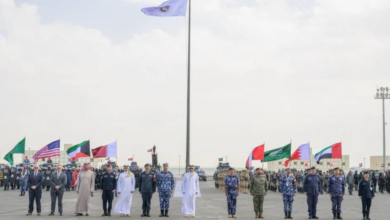

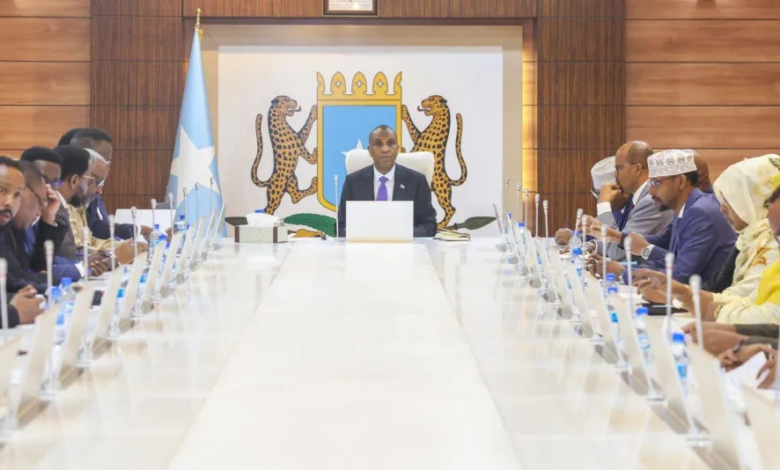
In a significant development in diplomatic relations in the Horn of Africa, the Somali Federal Government has taken decisive steps to terminate and cancel agreements with the United Arab Emirates, specifically those related to military cooperation and port management. This decision culminates a series of escalating tensions that have strained relations between the two countries in recent times, raising numerous questions about the future of alliances in this strategic region.
Background to the crisis and escalating tension
The dispute stems primarily from an agreement signed by DP World with Somaliland and Ethiopia to develop and operate the strategic port of Berbera. The federal government in Mogadishu considered this agreement a blatant violation of its national sovereignty and territorial integrity, as it was signed without its consent. In response, the Somali parliament overwhelmingly passed a law banning the Emirati company from operating in the country and declaring the agreement null and void, marking a major turning point in relations.
The airport incident and the suspension of military cooperation
The situation deteriorated significantly after Somali security authorities at Mogadishu's Aden Adde International Airport confiscated approximately $9.6 million in cash from a UAE civilian aircraft. While the UAE asserted that the funds were intended to support the Somali army and pay soldiers' salaries as part of an agreed-upon training program, Somali authorities considered the transfer of funds in this manner a violation of diplomatic norms and local laws. As a result of this incident, the Somali government announced the termination of the years-long UAE military training program, which aimed to equip Somali forces to combat Al-Shabaab.
Regional and international dimensions of the decision
This event cannot be understood in isolation from the broader regional context and the international competition for influence in the Horn of Africa and the Red Sea region. Somalia's geographical location makes it an arena of competing regional powers. Observers believe that the cancellation of agreements with the UAE could pave the way for other regional powers, such as Turkey and Qatar, to strengthen their roles. These countries maintain close ties with the Somali Federal Government. This shift in alliances could redraw the geopolitical map of the region, impacting maritime security in the Bab el-Mandeb Strait and counterterrorism efforts in East Africa.