
تداعيات حصار مضيق هرمز على الاقتصاد الإيراني
في ظل التوترات الجيوسياسية المتصاعدة في منطقة الشرق الأوسط، يبرز الحديث عن التأثيرات الاقتصادية العميقة لأي تحرك عسكري أو حصار بحري. سيؤدي أي حصار بحري أمريكي محتمل على مضيق هرمز إلى توجيه ضربة قاصمة ومباشرة للاقتصاد الإيراني. وتقدر الخسائر اليومية بنحو 435 مليون دولار، مقسمة بين فقدان 276 مليون دولار من عوائد الصادرات، وتعطل ما قيمته 159 مليون دولار من الواردات الأساسية. وبحساب هذه الأرقام، تصل الخسائر الشهرية إلى حوالي 13 مليار دولار. جاءت هذه التقديرات وفقاً لتصريحات مياد مالكي، الزميل في مؤسسة الدفاع عن الديمقراطيات في واشنطن والمدير المشارك السابق في مكتب مراقبة الأصول الأجنبية التابع لوزارة الخزانة الأمريكية، والتي نشرها موقع العربية نت.
الأهمية الاستراتيجية والتاريخية لمضيق هرمز
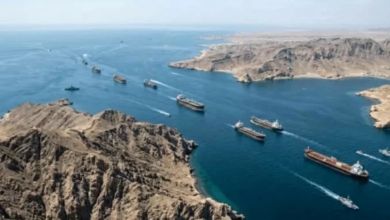
يُعد مضيق هرمز أحد أهم الممرات المائية الاستراتيجية في العالم، حيث يربط الخليج العربي بخليج عمان وبحر العرب. تاريخياً، كان هذا المضيق شريان الحياة للاقتصاد العالمي، إذ يمر عبره نحو خُمس استهلاك العالم من النفط. بالنسبة لإيران، لا يقتصر الأمر على كونه ممراً مائياً، بل هو البوابة الرئيسية التي تربطها بالأسواق العالمية. أي إغلاق أو تضييق على حركة الملاحة فيه لا يعني فقط أزمة محلية، بل ينذر بأزمة طاقة عالمية قد تؤدي إلى تقلبات حادة في أسعار النفط وتؤثر بشكل مباشر على الدول المستوردة للطاقة، خاصة في القارة الآسيوية التي تعد المستورد الأكبر للنفط الإيراني.
شلل تام في حركة التجارة الخارجية
تكمن الخطورة الحقيقية لهذه الأرقام في مدى اعتماد طهران على هذا الممر المائي. تشير البيانات الاقتصادية إلى أن أكثر من 90% من تجارة إيران الخارجية، والتي تبلغ قيمتها الإجمالية نحو 109.7 مليار دولار سنوياً، تمر عبر مياه الخليج العربي. يعتمد الاقتصاد الإيراني بشكل هيكلي على قطاعي النفط والغاز، اللذين يوفران حوالي 80% من إيرادات الصادرات الحكومية، ويشكلان نحو 23.7% من إجمالي الناتج المحلي للبلاد. بالتالي، فإن أي تعطل في هذا المسار سيؤدي إلى شلل شبه تام في الدورة الاقتصادية الداخلية وتوقف سلاسل الإمداد.
صادرات النفط والقيود المصرفية المعقدة
قبل الحديث عن أي حصار محتمل، يجب الإشارة إلى أن إيران تواجه بالفعل تحديات اقتصادية جمة بسبب العقوبات الدولية. كانت طهران تصدر نحو 1.5 مليون برميل من النفط الخام يومياً، محققة عائدات تقارب 139 مليون دولار يومياً (عند متوسط سعر يدور حول 87 دولاراً للبرميل). ومع ذلك، فإن جزءاً كبيراً من هذه العائدات لا يعود فعلياً إلى الخزينة الإيرانية بسبب القيود المصرفية الصارمة والعقوبات المفروضة على النظام المالي الإيراني.
ولكن، في حال فرض حصار بحري، فإن هذه الإيرادات ستنخفض إلى الصفر فوراً. يعود السبب في ذلك إلى أن 92% من صادرات النفط الخام الإيراني يتم شحنها عبر محطة جزيرة خارج (Kharg Island) الاستراتيجية الواقعة داخل مياه الخليج. وفي ظل غياب أي مسارات برية أو خطوط أنابيب بديلة ذات جدوى، فإن طهران ستتبخر إيراداتها النفطية البالغة 139 مليون دولار يومياً بشكل فوري.
قطاع البتروكيماويات: خسائر فادحة إضافية
لا تقتصر الخسائر المتوقعة على النفط الخام فحسب، بل تمتد لتشمل قطاع البتروكيماويات الحيوي، والذي يُعد مصدراً رئيسياً للعملة الصعبة. تشير الإحصائيات إلى أن إيران صدرت منتجات بتروكيماوية بقيمة 19.7 مليار دولار خلال الأشهر التسعة الأولى فقط من العام المالي (2024/2025)، وهو ما يعادل حوالي 54 مليون دولار يومياً.
تُشحن جميع هذه المنتجات تقريباً عبر موانئ رئيسية مثل ميناء عسلوية، وميناء الإمام الخميني، وميناء شهيد رجائي. المشكلة الكبرى تكمن في أن جميع هذه الموانئ تقع بالكامل داخل النطاق الجغرافي لأي حصار محتمل. ونظراً لاستحالة نقل هذه الكميات الضخمة من المنتجات عبر الطرق البرية إلى أسواق بديلة، فإن إيرادات هذا القطاع ستُمحى بالكامل، مما يضاعف من حجم الكارثة الاقتصادية.