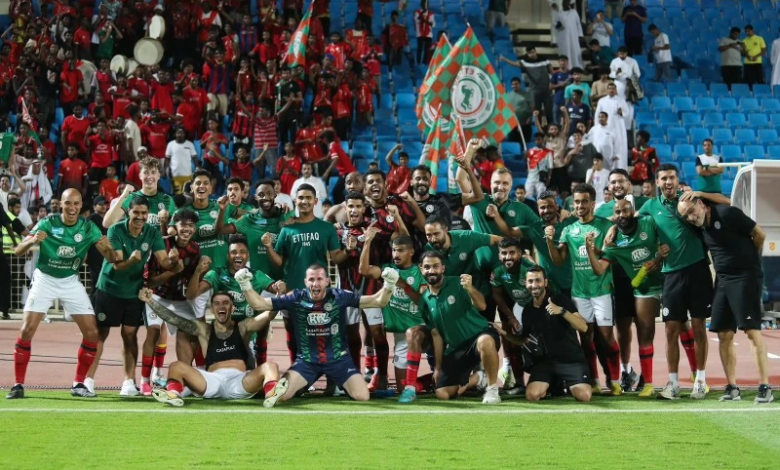

تكتسب مباريات الدوري السعودي للمحترفين طابعاً خاصاً من الإثارة والندية، لا سيما عندما يتعلق الأمر بالمواجهات التي تحمل إرثاً تاريخياً وأرقاماً تروي قصص التفوق والعقد المستمرة. وفي هذا السياق، تسلط الأضواء على تاريخ مواجهات فريقي الحزم والاتفاق، حيث تكشف لغة الأرقام عن هيمنة واضحة لـ "فارس الدهناء" مقابل معاناة مستمرة لفريق "حزم الصمود"، خاصة عندما تقام المباريات في معقله بالرس.
هيمنة اتفاقية بلغة الأرقام
بالعودة إلى السجل التاريخي للمواجهات المباشرة بين الفريقين في عهد دوري المحترفين، نجد أن الكفة تميل بشكل صارخ لصالح الاتفاق. فقد التقى الفريقان في 15 مباراة سابقة، كانت الغلبة فيها للاتفاق في 8 مناسبات، مما يعكس الفوارق الفنية والتكتيكية التي ميزت الفريق الشرقي عبر المواسم المختلفة. في المقابل، لم يتمكن الحزم من تذوق طعم الانتصار سوى في مباراتين فقط، بينما فرض التعادل نفسه حكماً في 5 مواجهات، مما يؤكد صعوبة المهمة التي يواجهها الحزم دائماً أمام هذا المنافس العنيد.
الفارق الهجومي الكبير
لا يقتصر التفوق الاتفاقي على عدد الانتصارات فحسب، بل يمتد ليشمل القوة الهجومية والنجاعة التهديفية. تشير الإحصائيات إلى فجوة كبيرة في السجل التهديفي، حيث نجح هجوم الاتفاق في دك شباك الحزم بـ 34 هدفاً خلال المواجهات الـ 15، بمعدل تهديفي مرتفع يعكس الشراسة الهجومية. وعلى الجانب الآخر، اكتفى الحزم بتسجيل 15 هدفاً فقط، وهو رقم يقل عن نصف ما سجله منافسه، مما يبرز المعاناة الدفاعية للحزم أمام المد الهجومي الاتفاقي.
عقدة ملعب الرس التاريخية
لعل الرقم الأكثر قسوة على عشاق الحزم هو السجل السلبي للفريق على ملعبه في الرس. فعادة ما تكون الأرض مصدر قوة لأصحابها، إلا أن هذا المفهوم ينكسر عندما يستضيف الحزم نظيره الاتفاق. أقيمت 7 مباريات على ملعب الحزم، لم ينجح خلالها أصحاب الأرض في تحقيق أي انتصار يذكر. انتهت مباراتان بالتعادل، بينما عاد الاتفاق بالنقاط الكاملة في 5 مباريات، محولاً ملعب الرس إلى مسرح لانتصاراته.
ولم تتوقف العقدة عند النتائج، بل امتدت للأهداف؛ إذ سجل الحزم على أرضه 3 أهداف يتيمة فقط في شباك الاتفاق عبر التاريخ، بينما استقبلت شباكه 19 هدفاً، وهو فارق شاسع يؤكد أن الاتفاق يلعب في الرس بأريحية تفوق أحياناً لعبه على أرضه.
الذكرى الأخيرة وتحديات المستقبل
يبقى موسم 2019/2020 هو الشاهد الأخير على تفوق الحزم، حينما حقق فوزاً مثيراً بنتيجة (3-2)، ومنذ ذلك الحين، استعصى الفوز على الحزم في الدوري أمام الاتفاق. تضع هذه الأرقام ضغوطاً نفسية كبيرة على لاعبي الحزم في أي مواجهة قادمة لكسر هذه العقدة، بينما تمنح الاتفاق دافعاً معنوياً لتأكيد سطوته التاريخية، مما يجعل لقاءات الفريقين دائماً تحت مجهر المحللين والمتابعين للشأن الرياضي السعودي.