Syria: Decree to launch new currency and remove two zeros at the beginning of 2026

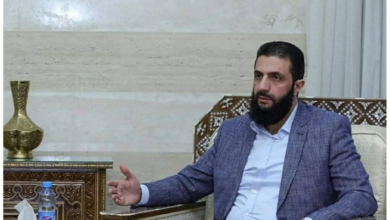
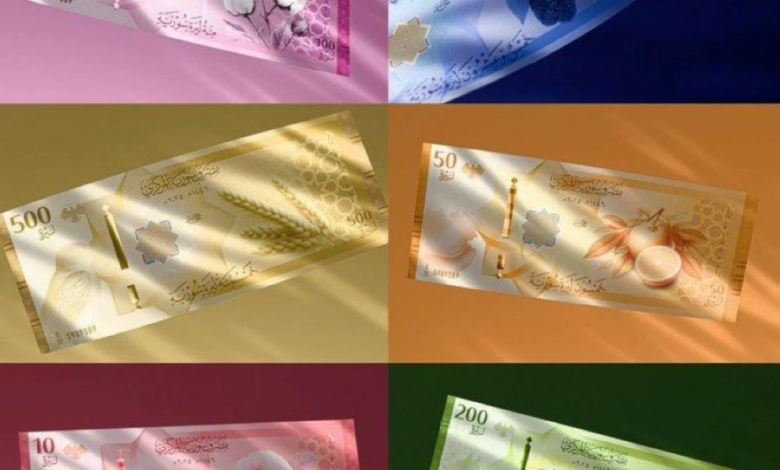
Syrian President Ahmed al-Sharaa issued Legislative Decree No. 293 of 2025, introducing a new Syrian currency in a move aimed at restructuring the country's monetary system. This pivotal decision comes at a sensitive time for the Syrian economy, as Article 1 of the decree stipulates the replacement of current banknotes, which will be known as the "old Syrian currency," and their gradual withdrawal from circulation starting January 1, 2026.
Details of the replacement and zero removal mechanism
According to the presidential decree, the new currency adopts a monetary standard based on removing two zeros from the nominal value of the old currency. Article 3 stipulates that 100 Syrian pounds of the old currency will be equivalent to one Syrian pound of the new currency. The smallest unit of the currency is the "piaster," with one new pound equaling one hundred piasters. This technical measure, known economically as "redenomination," aims to simplify calculations and reduce the amount of paper money needed for daily transactions, thus easing the logistical burden on both banks and citizens.
Economic context and historical background
This move comes after years of economic challenges in Syria, which have led to high inflation and a decline in the purchasing power of the Syrian pound. Historically, countries suffering from hyperinflation and currency devaluation resort to the option of "removing zeros" as part of a broader monetary reform package. This measure typically aims to restore confidence in the national currency, facilitate financial transactions that have become tedious, requiring the carrying of large amounts of banknotes to purchase basic necessities, and simplify accounting systems in companies and government institutions.
Schedule and dual trading
To ensure a smooth transition and avoid any market shocks, Article 2 of the decree stipulated that the withdrawal process would be implemented gradually according to a timetable set by the Central Bank of Syria. The decree emphasized a crucial point: both the old and new currencies would remain in circulation during the transition period, retaining their legal tender status. This means that citizens can use both currencies in their daily transactions until the specified deadlines expire, after which the old currency will cease to be legal tender.
Financial impact and consumer protection
The decree was keen to protect the financial rights of citizens and companies, explicitly stipulating that no commissions, taxes, or fees would be imposed on currency exchange transactions. The monetary impact of the exchange process is automatically reflected in all prices of goods and services, salaries and wages, and financial obligations and debts, whether in the public or private sector. To ensure transparency and prevent exploitation, the decree mandated that all economic entities display prices in both the old and new currencies side-by-side throughout the exchange period, thus facilitating consumers' adjustment to the new monetary values.