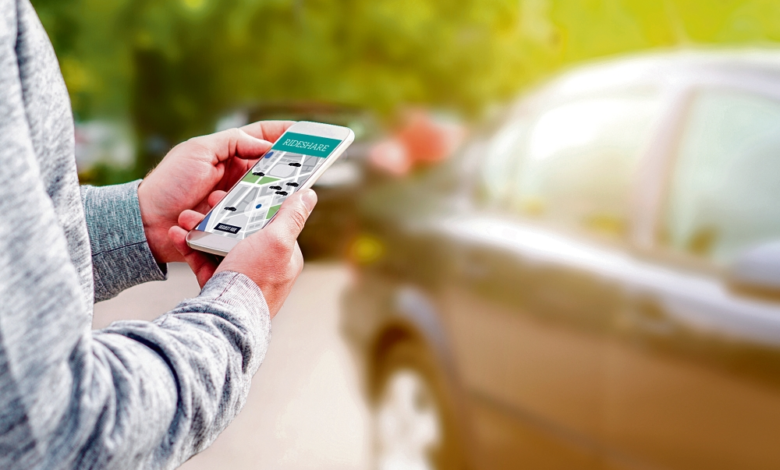

في خطوة تهدف إلى رفع كفاءة جودة الحياة وتعزيز معايير السلامة في قطاع النقل بالمملكة العربية السعودية، اعتمدت الهيئة العامة للنقل اللائحة التنفيذية الجديدة لنشاط النقل الجماعي بالسيارات عبر التطبيقات الإلكترونية. وتأتي هذه الخطوة ضمن سياق التحول الرقمي والتنظيمي الذي يشهده قطاع الخدمات اللوجستية والنقل في المملكة، تماشياً مع مستهدفات رؤية المملكة 2030 التي تسعى لجعل مدن المملكة أكثر ذكاءً واستدامة.
تعزيز الأمان وزر الطوارئ
أبرز ما جاء في اللائحة الجديدة هو التركيز المطلق على الجانب الأمني، حيث ألزمت الهيئة كافة التطبيقات المرخصة بتوفير «أيقونة للطوارئ» داخل التطبيق. هذه الميزة التقنية ليست مجرد تنبيه داخلي، بل ترتبط بشكل مباشر بمركز العمليات الأمنية في وزارة الداخلية، مما يضمن سرعة الاستجابة القصوى لأي طارئ قد يواجه الركاب أو السائقين، ويستمر تفعيل هذه الخاصية حتى بعد انتهاء الرحلة لضمان السلامة التامة.
حماية حقوق المستهلك: لا خدمة.. لا أجرة
وفي إطار حفظ حقوق المستفيدين، وضعت اللائحة حداً للنزاعات المالية التي قد تنشأ عن الأعطال الفنية. فقد نصت القواعد بوضوح على منع تحصيل أي أجرة من الراكب في حال تعطلت السيارة أثناء الرحلة، أو في حال امتنع السائق عن إكمال المسار لأسباب غير مبررة. هذا الإجراء يعزز من موثوقية الخدمة ويضع مسؤولية جاهزية المركبة بالكامل على عاتق المشغل.
اشتراطات فنية وتشغيلية دقيقة
لم تغفل اللائحة الجوانب الفنية للمركبات، حيث حددت العمر التشغيلي للسيارة بثماني سنوات كحد أقصى من سنة الصنع، مع اشتراط تسجيلها كـ «نقل عام» وخضوعها للفحص الفني الدوري والتأمين الشامل. كما ألزمت المنشآت بتوفير حد أدنى للأسطول لا يقل عن عشر سيارات، وتخصيص مركبتين على الأقل لخدمة الأشخاص ذوي الإعاقة الحركية وكبار السن، في بادرة تعكس التزام القطاع بالمسؤولية الاجتماعية.
انضباط السائقين والمظهر العام
وعلى صعيد الكوادر البشرية، فرضت الهيئة معايير صارمة للسائقين، تشمل الحصول على «بطاقة سائق مهني» تجدد سنوياً بعد اجتياز اختبارات الكفاءة والسلامة والفحص الطبي، وخلو الصحيفة الجنائية من السوابق. كما حظرت اللائحة التدخين تماماً داخل المركبة، وألزمت السائقين بالزي الموحد والحفاظ على الآداب العامة. وبالنسبة لغير السعوديين، قصرت اللائحة العمل على من يحمل مهنة «سائق سيارة عمومي» مع وجود علاقة تعاقدية موثقة.
يُتوقع أن تسهم هذه التنظيمات في غربلة السوق من المشغلين غير النظاميين، حيث توعدت الهيئة المخالفين بعقوبات تشمل الغرامات المالية وإلغاء التراخيص، مما سيؤدي مستقبلاً إلى بيئة تنافسية عادلة تقدم خدمات نقل آمنة وموثوقة للمواطنين والمقيمين والزوار.