The Trump administration rules out Treasury trading in oil futures: reasons and details

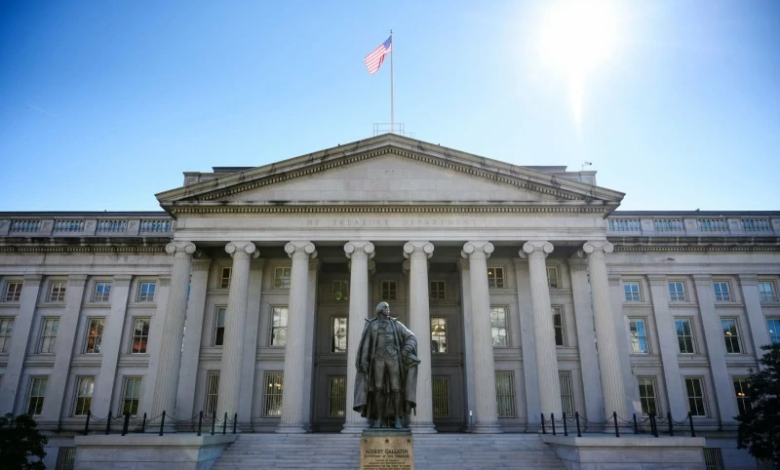
Recent economic reports, citing Bloomberg, indicate that the Trump administration has ruled out, for the time being, the option of tasking the Treasury Department with direct intervention in crude oil futures trading. This decision comes as government officials closely monitor the sharp fluctuations in global energy prices, coinciding with escalating geopolitical tensions and the ongoing conflict with Iran.
Reasons for excluding Treasury Department intervention
Sources familiar with the matter reported that internal discussions within the White House touched upon the possibility of the Treasury Department intervening in the futures market to influence prices. However, the final assessment by economic advisors concluded that the department's ability to exert a tangible and sustained impact on the market remains "very limited." This is primarily due to the sheer volume of daily trading in global oil markets, which renders the influence of any single player—even the U.S. government—minimal and ineffective in the long run against the forces of supply and demand.
Strategic reserve status and maintenance challenges
In a related development, sources indicated that the US administration is currently hesitant to resort to the option of drawing from the Strategic Petroleum Reserve (SPR). This hesitation stems from the significant depletion of the reserve during the administration of former President Joe Biden, when stocks fell to approximately 60% of total storage capacity. Furthermore, storage facilities are facing technical challenges related to essential maintenance, which limits the ability to rapidly release or pump large quantities at present.
Historical background and the importance of energy market stability
These moves are particularly significant given the vital role oil plays in the US and global economies. Historically, the US Strategic Petroleum Reserve was established in the 1970s to protect the United States from major supply disruptions, not as a tool for day-to-day price control. Nevertheless, rising energy prices exert direct pressure on inflation, something the Trump administration is keen to avoid in order to ensure economic stability.
Expected geopolitical impacts
This decision comes amid a complex geopolitical landscape, where a war with Iran raises concerns about the security of energy supplies through vital waterways. Analysts believe that ruling out direct financial intervention through the Treasury Department reflects the administration's desire to seek more sustainable solutions, perhaps by encouraging domestic production or using diplomatic tools to calm markets, rather than venturing into untested financial instruments that may not prove effective.