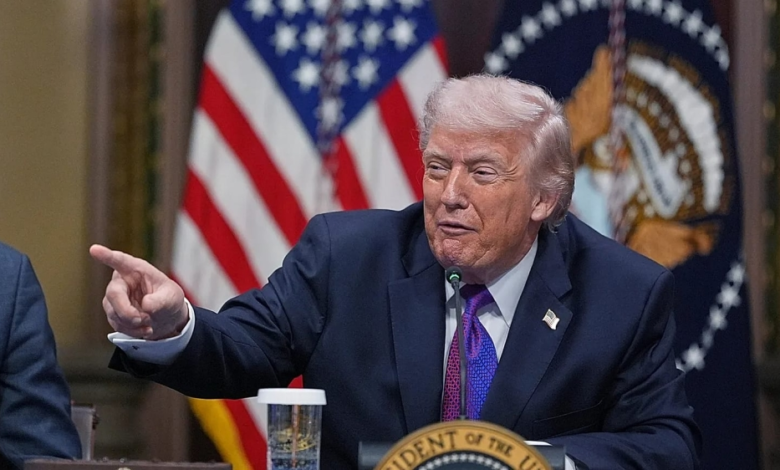

في تطور بارز يعكس استراتيجية الإدارة الأمريكية في التعامل مع الملفات الشائكة، وجه الرئيس الأمريكي دونالد ترامب رسالة واضحة بشأن مسار المفاوضات الحالية، مؤكداً على ضرورة عدم التسرع في إبرام الاتفاق مع إيران. تأتي هذه التصريحات في وقت حساس تشهد فيه منطقة الشرق الأوسط توترات غير مسبوقة، حيث تسعى واشنطن للوصول إلى تسوية شاملة تضمن إنهاء حالة الصراع وإعادة الاستقرار الإقليمي.
تفاصيل تصريحات ترامب حول المفاوضات
عبر منصته الاجتماعية “تروث سوشال”، كشف ترامب عن توجيهاته المباشرة للمفاوضين الأمريكيين، مشدداً على أن “المفاوضات تجري في شكل منظم وبنّاء”. وأضاف بوضوح: “لقد أبلغت من يمثلونني بعدم التسرع في إبرام اتفاق، فالوقت في صالحنا”. هذا التصريح يعكس رغبة أمريكية في تحقيق أقصى المكاسب السياسية والأمنية دون الخضوع لضغوط الوقت.
وفي سياق متصل بالضغط العسكري والاقتصادي، أكد الرئيس الأمريكي أن “الحصار البحري سيظل مستمراً وفاعلاً في شكل كامل حتى يتم التوصل إلى اتفاق والمصادقة عليه وتوقيعه”، مما يشير إلى استمرار سياسة العصا والجزرة في التعامل مع طهران حتى اللحظات الأخيرة من المفاوضات.
السياق التاريخي للعلاقات الأمريكية الإيرانية
لفهم أبعاد هذا الموقف، يجب العودة إلى السياق التاريخي القريب. ففي عام 2018، اتخذ ترامب خلال ولايته السابقة قراراً حاسماً بالانسحاب من الاتفاق النووي الإيراني (خطة العمل الشاملة المشتركة) الذي أُبرم عام 2015، معتبراً إياه اتفاقاً معيباً. وعقب ذلك، فرضت واشنطن حملة “الضغوط القصوى” التي تضمنت عقوبات اقتصادية قاسية استهدفت قطاعات النفط والمصارف الإيرانية. واليوم، تأتي هذه المفاوضات الجديدة كمحاولة لإعادة صياغة العلاقة وفق شروط أمريكية جديدة تضمن أمن الحلفاء في المنطقة وتحد من النفوذ الإيراني وبرامج التسلح.
مضيق هرمز: نقطة ارتكاز في الاتفاق مع إيران
من أبرز الملفات المطروحة على طاولة التفاوض هو أمن الملاحة البحرية. وفي وقت سابق، أشار ترامب إلى أن التفاوض بين الولايات المتحدة وإيران قد قطع شوطاً كبيراً نحو اتفاق يشمل فتح مضيق هرمز، رغم تأكيده على عدم التوصل إلى صيغة نهائية بعد. وكتب ترامب: “لقد قطع التفاوض على اتفاق شوطاً كبيراً، بانتظار التوصل إلى صيغة نهائية بين الولايات المتحدة والجمهورية الإسلامية الإيرانية”.
وأضاف: “إضافة إلى عناصر أخرى عدة في الاتفاق، سيتم فتح مضيق هرمز”. يُعد مضيق هرمز أحد أهم الممرات المائية الاستراتيجية في العالم، حيث يمر عبره نحو خُمس استهلاك العالم من النفط. أي اتفاق يضمن حرية وأمن الملاحة في هذا المضيق سيكون له انعكاسات إيجابية هائلة على استقرار أسواق الطاقة العالمية.
التأثير المتوقع للاتفاق إقليمياً ودولياً
على المستوى الإقليمي، يمثل الوصول إلى الاتفاق مع إيران خطوة حاسمة نحو خفض التصعيد وإنهاء التوترات في الشرق الأوسط، مما يمنح دول المنطقة فرصة للتركيز على التنمية الاقتصادية. أما على المستوى الدولي، فإن تأمين إمدادات الطاقة عبر مضيق هرمز سيؤدي إلى استقرار أسعار النفط، وهو ما يخدم الاقتصاد العالمي بشكل مباشر. محلياً في الولايات المتحدة، يُعد إبرام اتفاق قوي يحفظ المصالح الأمريكية بمثابة انتصار سياسي كبير، يثبت نجاح استراتيجية التفاوض من مركز قوة ويحقق وعود الإدارة بإنهاء الحروب الخارجية.