
أفادت تقارير إعلامية غربية، اليوم الجمعة، بأن الرئيس الأمريكي دونالد ترمب يدرس بجدية خفض بعض الرسوم الجمركية المفروضة على واردات الصلب والألمنيوم، في تحول استراتيجي يهدف إلى تخفيف الأعباء الاقتصادية عن كاهل المستهلك الأمريكي.
ونقلت الوكالات عن مصادر مطلعة أن هذا التوجه الجديد يأتي بناءً على توصيات ومناقشات داخلية بين مسؤولين في وزارة التجارة ومكتب الممثل التجاري الأمريكي. ويرى هؤلاء المسؤولون أن الرسوم الحالية، التي كانت تهدف في الأصل لحماية الصناعة المحلية، قد أسهمت بشكل مباشر في رفع أسعار عدد من السلع الاستهلاكية الحيوية.
تأثير الرسوم على الأسعار والمستهلكين
أشارت التقارير إلى أن التأثير التضخمي للرسوم طال منتجات يومية، بما في ذلك القوالب المستخدمة في صناعة المخبوزات، وعلب الأطعمة والمشروبات. وقد أدى ارتفاع تكلفة المواد الخام (الصلب والألمنيوم) إلى زيادة تكاليف الإنتاج على المصانع الأمريكية التي تعتمد على هذه المعادن، مما انعكس في النهاية على كلفة المستهلك النهائي في وقت يعاني فيه الاقتصاد من ضغوط تضخمية.
دوافع سياسية وانتخابات التجديد النصفي
لا يمكن فصل هذا التحرك الاقتصادي عن السياق السياسي الراهن في الولايات المتحدة؛ حيث يأتي هذا التفكير في وقت تتزايد فيه مخاوف الناخبين بشأن ارتفاع أسعار السلع وتكاليف المعيشة. ومع اقتراب انتخابات التجديد النصفي المقررة في نوفمبر المقبل، يسعى البيت الأبيض لاتخاذ تدابير ملموسة لتهدئة استياء الشارع الأمريكي وتحسين الفرص الانتخابية للحزب الجمهوري.
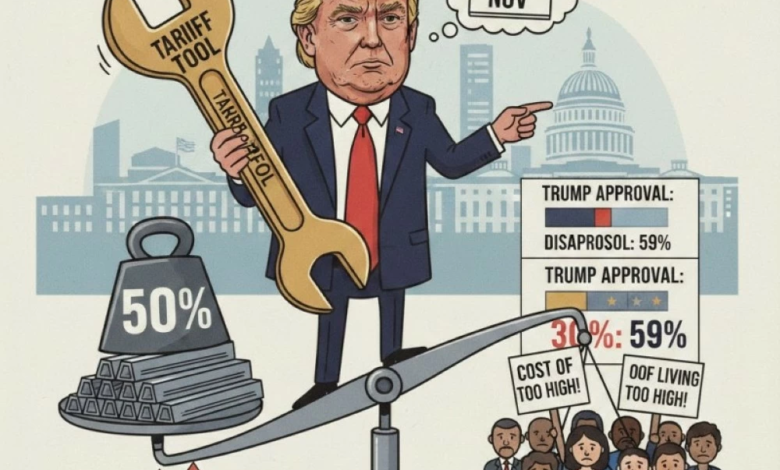
وفي هذا السياق، أظهر استطلاع حديث للرأي تراجعاً في شعبية الإدارة الحالية فيما يخص الملف الاقتصادي، حيث أعرب 30% فقط من الأمريكيين عن تأييدهم لطريقة تعامل ترمب مع ملف تكاليف المعيشة، مقابل 59% يعارضونها. وتشمل نسبة المعارضين غالبية من الديمقراطيين وشريحة لا يستهان بها من الجمهوريين، مما يشكل جرس إنذار للإدارة الحالية.
خلفية الحرب التجارية وتأثيراتها
جدير بالذكر أن الرئيس ترمب كان قد فرض في العام الماضي رسوماً جمركية مرتفعة وصلت في بعض الحالات إلى 50% على واردات الصلب والألمنيوم. وقد استُخدمت هذه الرسوم كأداة ضغط رئيسية في مفاوضاته التجارية مع عدد من الشركاء التجاريين الدوليين، بما في ذلك الصين والاتحاد الأوروبي، تحت شعار "أمريكا أولاً" لحماية الصناعات الثقيلة الأمريكية.
ويرى مراقبون اقتصاديون أن التراجع المحتمل عن هذه الرسوم قد يحمل تأثيرات إيجابية متعددة، منها:
- محلياً: خفض تكاليف الإنتاج للشركات الأمريكية المصنعة للسيارات والأجهزة المنزلية والأغذية المعلبة، مما قد يؤدي لخفض الأسعار في الأسواق.
- دولياً: تخفيف حدة التوتر التجاري مع الحلفاء والشركاء الاقتصاديين، مما قد يفتح الباب أمام مفاوضات تجارية أكثر سلاسة واستقراراً في الأسواق العالمية.