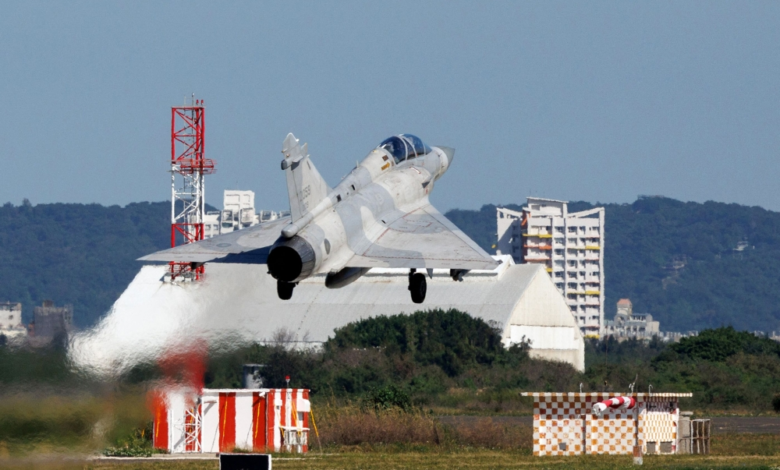

أعلن الرئيس الأمريكي دونالد ترامب أنه بصدد اتخاذ قرار نهائي وحاسم في القريب العاجل بشأن إرسال شحنات إضافية من الأسلحة المتطورة إلى تايوان، وذلك في خطوة قد تؤدي إلى تأجيج التوترات الدبلوماسية مع بكين، خاصة وأن هذا الإعلان يأتي عقب تحذيرات صريحة ومباشرة من الرئيس الصيني شي جين بينغ بشأن خطورة هذا الملف.
تفاصيل المحادثات والقرار المرتقب
وفي تصريحات صحفية أدلى بها يوم الاثنين، أشار ترامب إلى أنه أجرى محادثة وصفها بـ"الجيدة" مع نظيره الصيني، تناولت هذا الملف الشائك. وقال الرئيس الأمريكي: "أتحدث معه بهذا الشأن، أجرينا محادثة جيدة، ونحن سنتخذ قراراً في وقت قريب جداً". وأكد ترامب على متانة علاقته الشخصية بالزعيم الصيني، رغم الخلاف الجوهري حول وضع جزيرة تايوان التي تتمتع بحكم ذاتي، وتعتبرها الصين جزءاً لا يتجزأ من أراضيها بموجب مبدأ "الصين الواحدة".
خلفيات الصراع والبعد التاريخي
لفهم عمق الأزمة، يجب النظر إلى السياق التاريخي للعلاقات؛ فمنذ عام 1979، اعترفت واشنطن ببكين كممثل شرعي وحيد للصين، لكنها في الوقت ذاته حافظت على علاقات غير رسمية قوية مع تايوان، مدعومة بـ"قانون العلاقات مع تايوان" الذي يلزم الولايات المتحدة بتزويد الجزيرة بوسائل الدفاع عن النفس. ولطالما كانت مبيعات الأسلحة الأمريكية لتايوان نقطة الخلاف الأكثر سخونة في العلاقات بين القوتين العظميين، حيث ترى بكين في هذه الخطوات انتهاكاً لسيادتها وتشجيعاً للنزعات الانفصالية في الجزيرة.
تحذيرات بكين والمناورات العسكرية
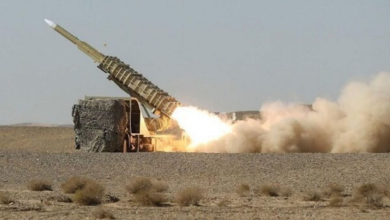
وكان الرئيس الصيني شي جين بينغ قد استبق تصريحات ترامب خلال مكالمة هاتفية جرت في 4 فبراير، داعياً إلى "الاحترام المتبادل" ومحذراً واشنطن من مغبة الاستمرار في مبيعات الأسلحة. ونقلت وسائل الإعلام الصينية الرسمية عن شي قوله إن "قضية تايوان هي الأكثر أهمية وحساسية في العلاقات الصينية الأمريكية". ولم تكتفِ الصين بالتحذيرات الدبلوماسية، بل ترجمت غضبها إلى تحركات عسكرية، حيث أجرت مؤخراً مناورات واسعة النطاق بالذخيرة الحية حاكت فيها فرض حصار بحري وجوي على الموانئ الرئيسية في تايوان، في رسالة ردع واضحة.
التداعيات الجيوسياسية والاقتصادية
تأتي هذه التطورات في وقت وافقت فيه الولايات المتحدة مؤخراً (في ديسمبر) على مبيعات أسلحة لتايوان بقيمة 11 مليار دولار. ويرى مراقبون أن إصرار ترامب على المضي قدماً في تسليح تايوان قد يؤدي إلى تداعيات إقليمية ودولية واسعة، تشمل زيادة عسكرة منطقة المحيطين الهندي والهادئ، وتوتر حركة التجارة العالمية في مضيق تايوان الذي يعد شرياناً حيوياً للاقتصاد العالمي، بالإضافة إلى تعقيد المفاوضات التجارية القائمة بين واشنطن وبكين.