
ترامب يصف تحرك الكونغرس بـ”غير الوطني”
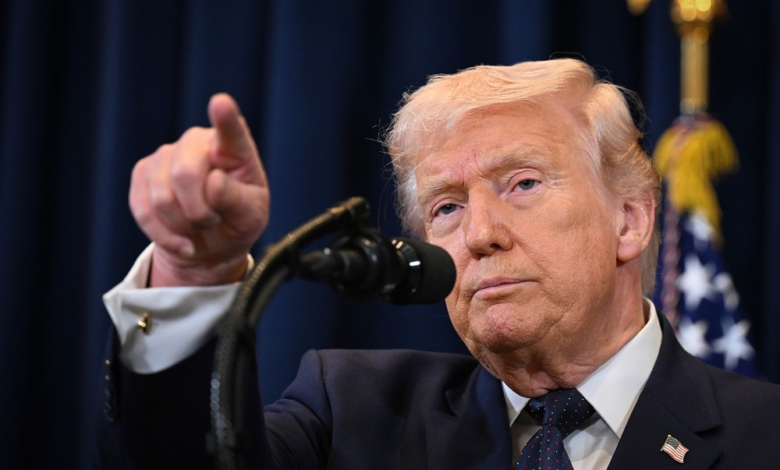
ندد الرئيس الأمريكي دونالد ترامب بشدة بالقرار الذي صوت عليه مجلس النواب الأمريكي، والذي يهدف إلى تقييد صلاحياته العسكرية في شن أي حرب مع إيران دون موافقة الكونغرس. وفي تصريحات حادة عبر منصته “تروث سوشال”، وصف ترامب هذا التصويت بأنه “غير وطني”، مشيراً إلى أنه يأتي في توقيت حرج قد يعرقل مفاوضاته الجارية مع طهران.
وقال ترامب إن هذا التحرك الرمزي إلى حد كبير جاء “في خضم مفاوضاتي النهائية لإنهاء الحرب مع جمهورية إيران الإسلامية”. وأضاف متسائلاً: “من يمكنه القيام بأمر غير وطني إلى هذا الحد؟ إنهم يعرفون أين وصلت المفاوضات”، ملمحاً إلى أن أعضاء الكونغرس الذين صوتوا لصالح القرار على دراية بالتقدم المحرز في المحادثات الدبلوماسية، وأن تصويتهم قد يقوض هذه الجهود.
خلفيات التصويت وتصاعد التوترات الإقليمية
يأتي هذا التصويت في سياق فترة من التوترات المتصاعدة بين واشنطن وطهران، والتي بلغت ذروتها بعد قرار إدارة ترامب الانسحاب من الاتفاق النووي الإيراني (خطة العمل الشاملة المشتركة) في عام 2018، وإعادة فرض عقوبات اقتصادية قاسية ضمن ما عُرف بسياسة “الضغوط القصوى”. وقد أدت هذه السياسة إلى سلسلة من الحوادث في منطقة الخليج، بما في ذلك هجمات على ناقلات نفط ومنشآت طاقة، مما أثار مخاوف من اندلاع مواجهة عسكرية مباشرة.
وكانت الشرارة التي أشعلت هذا التحرك التشريعي هي العملية العسكرية الأمريكية التي أدت إلى مقتل الجنرال الإيراني البارز قاسم سليماني في بغداد، وهي خطوة اعتبرها الديمقراطيون وبعض الجمهوريين تصعيداً خطيراً قد يجر الولايات المتحدة إلى حرب مع إيران دون تفويض واضح من الشعب عبر ممثليه في الكونغرس. ويهدف القرار إلى تفعيل “قرار صلاحيات الحرب” لعام 1973، الذي يمنح الكونغرس سلطة الرقابة على قرارات إرسال القوات المسلحة إلى الخارج.
صراع الصلاحيات وتأثيره على السياسة الخارجية
يعكس هذا التصويت صراعاً دستورياً قديماً بين السلطتين التنفيذية والتشريعية في الولايات المتحدة حول صلاحيات إعلان الحرب. فبينما يمتلك الرئيس دور القائد الأعلى للقوات المسلحة، يحتفظ الكونغرس بالحق الحصري في إعلان الحرب. ويرى المؤيدون للقرار أنه إعادة تأكيد ضرورية لدور الكونغرس في منع الدخول في صراعات مكلفة وغير محسوبة العواقب. من ناحية أخرى، يرى البيت الأبيض أن مثل هذه القرارات تقيد قدرة الرئيس على الرد السريع على التهديدات وحماية المصالح الأمريكية في الخارج، وتُظهر انقساماً داخلياً يضعف الموقف الأمريكي على الساحة الدولية. هذا الانقسام يبعث برسائل متضاربة لكل من الحلفاء والخصوم، وقد يؤثر على ديناميكيات القوة في منطقة الشرق الأوسط المضطربة بالفعل.