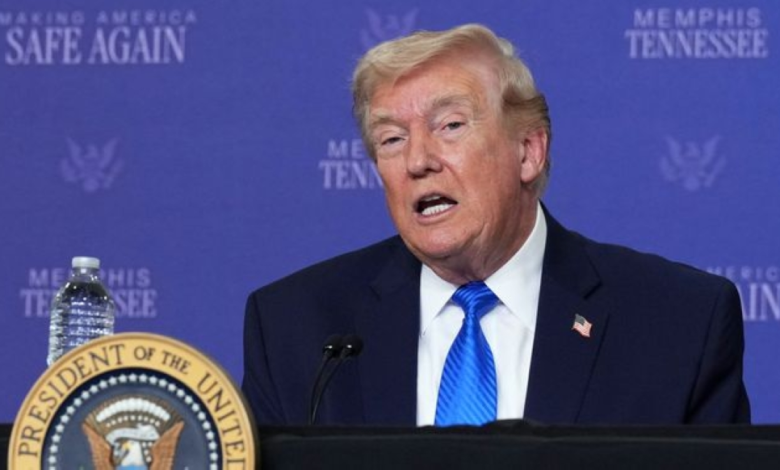
Trump extends deadline for targeting Iranian energy facilities amid negotiations

Trump postpones targeting Iranian energy facilities
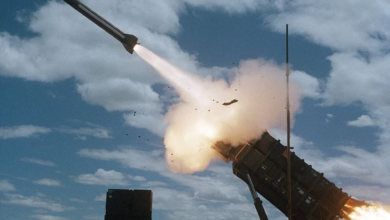
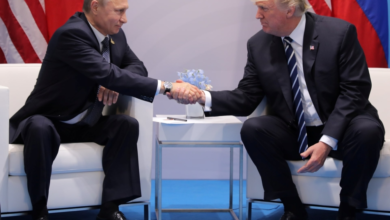
In a surprising move reflecting a shift in US-Iranian tensions, US President Donald Trump announced the suspension of his immediate plans to launch military strikes targeting Iranian energy facilities. Trump explained that this postponement came in response to a direct request from the government in Tehran, noting that bilateral talks between Washington and the Islamic Republic were progressing very positively.
In a post on his Truth Social platform, Trump stated: “At the request of the Iranian government, please consider this statement an official announcement extending the deadline for the ultimatum to destroy the power plants for an additional 10 days, until Monday, April 6, 2026, at 8:00 PM Eastern Time.” The US president asserted that negotiations were making tangible progress, refuting what he called “misleading reports” published by some media outlets.
Strategic progress and crucial negotiations
During a high-level meeting at the White House, attended by top administration officials, including Secretary of State Marco Rubio and Secretary of Defense Pete Hegseth, Trump addressed his assessment of Iran's capabilities. In a notable statement, he said, "They are bad fighters, but they are excellent negotiators, and now they are begging to reach an agreement that will end the crisis.".
Trump added that the military operations and strategic pressure campaign were well ahead of schedule. He explained, “We initially estimated that our mission would take between four and six weeks. Now, after only 26 days, we are well ahead of schedule.” He went on to assert that the Iranian regime was beginning to grasp the magnitude of the challenges and acknowledged that it had suffered a decisive defeat.
The historical context of the maximum pressure policy
To understand the dimensions of this development, one must consider the historical legacy of Trump's policies toward Tehran. During his previous term, Trump adopted a "maximum pressure" strategy, which included withdrawing from the Iran nuclear deal in 2018 and reimposing harsh economic sanctions primarily targeting the oil and banking sectors. This background makes the US administration's threat to target Iran's energy infrastructure a powerful pressure tactic to force Tehran to the negotiating table and avert a complete economic collapse.
Expected economic and geopolitical impacts
The threat to target Iranian energy facilities, and its subsequent postponement, carries far-reaching implications at both the regional and international levels. Economically , Iran is an oil-producing nation, and any military strike against its oil facilities or power plants would inevitably lead to severe disruptions in global energy markets, potentially causing a significant increase in oil prices and impacting global supply chains.
Regionally and internationally , extending the deadline contributes to a temporary reduction in tensions in the Middle East, a region already experiencing multiple conflicts. The success of these negotiations could lead to a de-escalation of direct military action. Conversely, international observers view the use of diplomacy backed by the threat of direct military action as a classic tactic aimed at extracting the greatest possible security and political concessions without being drawn into a full-blown and costly regional war.