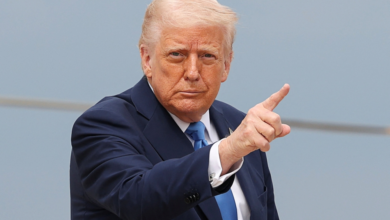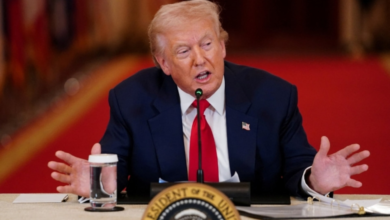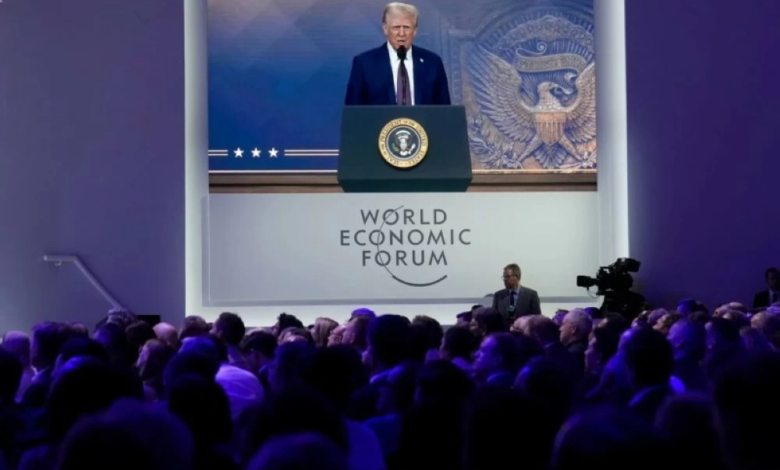

US President Donald Trump has reignited international debate over America's expansionist ambitions in the Arctic, announcing his intention to discuss the acquisition of Greenland during his participation in the World Economic Forum in Davos this week. These remarks add a new layer of tension to transatlantic relations, coinciding with threats of imposing hefty tariffs on Washington's European allies.
The strategic importance of Greenland: Why is Washington so insistent?
Trump's remarks to reporters in Florida, in which he asserted that "Denmark cannot protect Greenland," were not a mere slip of the tongue, but rather reflect a long-standing American strategic interest in the island. Greenland is a vital location for US national security, as it hosts Thule Air Base, the northernmost US military base, which plays a pivotal role in the ballistic missile early warning system and space surveillance. Beyond its military significance, the island is rich in vast natural resources and rare minerals, which have become a focus of attention for major powers as ice melts and new shipping lanes open in the Arctic.
Between geopolitical ambition and trade tensions
In justifying the move, Trump said, "We should have it, and the Danes should get it done… They're a great people and good leaders, but they don't even go there." The US president's remarks weren't limited to territorial ambitions; they extended to direct economic threats, as he vowed to impose tariffs of up to 200% on some French products, a move that could ignite a new transatlantic trade war.
Nobel Prize controversy and diplomatic messages
In a striking development that revealed the depth of personal and political disagreements, Trump linked global security to his own international recognition. In a letter to Norwegian Prime Minister Jonas Gahr Støre, Trump expressed his displeasure at not being awarded the Nobel Peace Prize, stating that he had "stopped more than eight wars." The US president went even further, linking global security to American control of Greenland, arguing that he was no longer obligated to work solely for peace. This was in response to Norwegian and Finnish criticism of US tariff increases.
Economic repercussions and international reactions
These statements cast a dark shadow over financial markets, with European stock exchanges registering a significant decline as investors worried about a full-blown trade escalation. While US Treasury Secretary Scott Bennett warned that any European retaliation would be "unwise," emphasizing that Washington would not outsource the security of the Western Hemisphere to anyone else, the European Union maintained its stance of calling for dialogue while hinting that it possessed "tools" for a firm response.
For his part, Greenland's Prime Minister, Jens Frederik Nielsen, settled the island's official position, stressing that the American threats do not affect the island's right to self-determination and sovereignty, in a clear indication of the rejection of the idea of selling the self-governing island under the Danish crown.