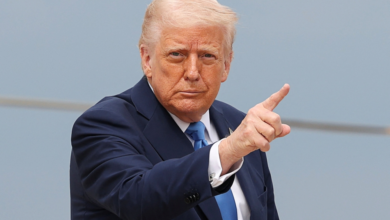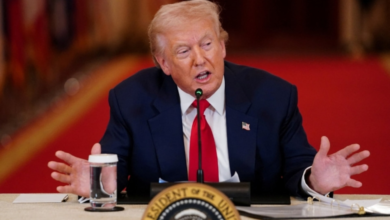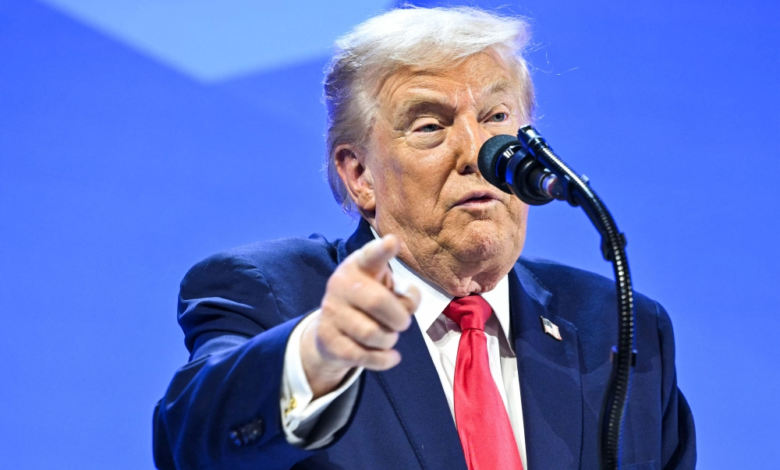

In a new escalation aimed at intensifying economic pressure on the regime in Havana, US President Donald Trump signed an executive order threatening to impose steep additional tariffs on any country that sells or supplies Cuba with oil. This decision represents the latest chapter in a decades-long series of US sanctions, this time targeting the main lifeline of Cuba's struggling economy.
Details of the new executive order
The presidential decree explicitly stipulates the imposition of punitive tariffs on imports of goods from foreign countries proven to be involved in "selling or supplying Cuba with oil, directly or indirectly." This wording represents a significant expansion of the sanctions, as Washington is not only penalizing companies but also threatening the economies of countries that contribute to supporting Cuba's energy sector, thus presenting Cuba's traditional allies with difficult economic choices.
The historical context of US-Cuban relations
The roots of this tension go back to the 1960s, when the United States imposed a comprehensive trade embargo on the communist island following Fidel Castro's revolution. Despite a brief thaw in relations during the administration of former President Barack Obama, President Trump's approach has consistently been characterized by a return to the "maximum pressure" policy. Observers believe this decision reflects the US administration's desire to exploit Cuba's current economic fragility to effect fundamental political changes, considering the disruption of energy supplies to be the most lethal weapon in its economic arsenal.
The importance of oil and the impact of the decision on Cuba
The energy sector is the Achilles' heel of the Cuban economy. The island relies almost entirely on oil imports to power its aging power plants and keep its transportation and industrial sectors running. In recent years, the country has suffered from frequent power outages and severe fuel shortages, leading to widespread public discontent. By targeting oil-exporting countries (historically including Venezuela, Mexico, and Russia), Washington seeks to completely isolate Havana, which could exacerbate the economic crisis and increase the cost of supporting the Cuban regime for its international allies.
Other developments: Trump and the Federal Reserve
In a separate development related to domestic economic affairs, President Trump indicated on social media that he would soon announce his nominee for Federal Reserve Chair. "Sometime next week... we will be announcing the Fed Chair," Trump stated, expressing confidence that the chosen candidate "will do a great job." Financial markets are awaiting this announcement with caution, given the direct impact of the Fed's policies on inflation, interest rates, and the global economy.