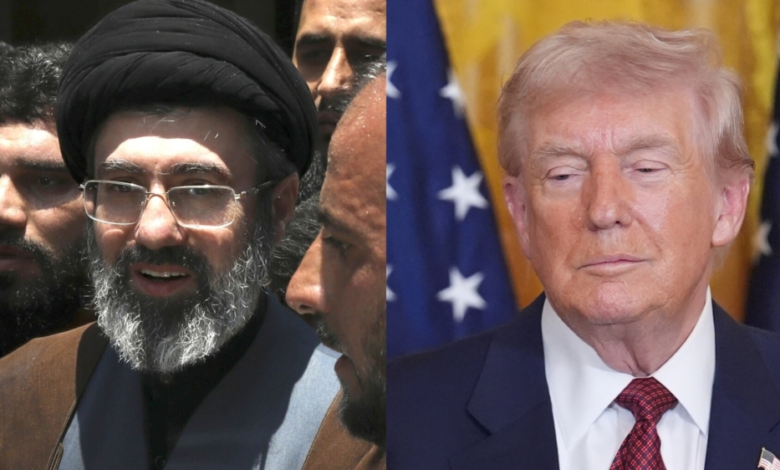

في تصريح لافت، أعلن الرئيس الأمريكي دونالد ترامب عن استعداده لعقد لقاء المرشد الإيراني، آية الله علي خامنئي، لكنه ربط هذه الخطوة الدبلوماسية المحتملة بتحقيق هدف واحد وواضح: إبرام صفقة شاملة. يأتي هذا الموقف في خضم توترات تاريخية بين واشنطن وطهران، ليفتح الباب أمام تكهنات واسعة حول مستقبل العلاقات بين البلدين، ويطرح تساؤلات حول إمكانية حدوث تحول جذري في سياسة “الضغط الأقصى” التي تبنتها إدارته.
خلفية من التوتر وسياسة الضغط الأقصى
تعود جذور التوتر الحالي إلى قرار الرئيس ترامب في عام 2018 بالانسحاب من الاتفاق النووي الإيراني (خطة العمل الشاملة المشتركة)، الذي تم توقيعه في عام 2015. وقد وصف ترامب الاتفاق بأنه “كارثي” و”الأسوأ على الإطلاق”، معتبراً أنه لم يعالج برنامج الصواريخ الباليستية الإيراني أو أنشطتها الإقليمية المزعزعة للاستقرار. عقب الانسحاب، أعادت واشنطن فرض عقوبات اقتصادية قاسية على طهران بهدف شل اقتصادها وإجبارها على العودة إلى طاولة المفاوضات للتوصل إلى اتفاق جديد أكثر صرامة. هذا النهج، المعروف بسياسة “الضغط الأقصى”، أدى إلى تصعيد كبير في المنطقة، شمل هجمات على منشآت نفطية وناقلات في مياه الخليج.
شروط ترامب الصارمة لعقد لقاء المرشد الإيراني
أوضح ترامب أن أي لقاء مرهون بالتوصل إلى اتفاق يضمن بشكل قاطع عدم امتلاك إيران للسلاح النووي. وقال في تصريحات نقلتها قناة “العربية”: “إذا أبرمنا اتفاقاً مع إيران فيمكن أن ألتقي المرشد”. وجدد تأكيده على أن جوهر أي صفقة مستقبلية يجب أن يتمثل في منع طهران من حيازة القنبلة النووية، مشدداً على أن الولايات المتحدة تراقب المواقع النووية الإيرانية “من الفضاء”، وأنها ستتعامل بحزم مع أي محاولة للاقتراب منها. وأضاف: “ستعرفون قريباً محتوى الاتفاق مع إيران”، مؤكداً أن أهم نقاطه ستكون “عدم امتلاك إيران السلاح النووي، وفتح مضيق هرمز فوراً”.
التأثيرات المحتملة على استقرار المنطقة
يحمل عرض ترامب المشروط في طياته تداعيات كبيرة على الصعيدين الإقليمي والدولي. ففي حال نجاح الدبلوماسية والتوصل إلى صفقة، قد يؤدي ذلك إلى خفض منسوب التوتر في منطقة الشرق الأوسط التي تشهد حالة من الاستقطاب الحاد. كما يمكن لاتفاق جديد أن يطمئن حلفاء واشنطن في المنطقة، مثل المملكة العربية السعودية وإسرائيل، الذين عبروا مراراً عن قلقهم من طموحات إيران النووية. على الجانب الآخر، يرى مراقبون أن تصريحات ترامب قد تكون مجرد تكتيك تفاوضي لزيادة الضغط على القيادة الإيرانية، خاصة مع تحذيره من أن مقتل أي جندي أمريكي سيكون “سبباً وجيهاً للعودة للقتال”. وفي سياق متصل، تطرق ترامب إلى الوضع في لبنان، معرباً عن اعتقاده بوجود “تقدم” وأن “أموراً ستحدث”، مضيفاً أنه “سيكون جيداً للبنان أن يحظى ببعض السلام”.