
In a move that represents a radical shift in the course of US-Venezuelan relations, US President Donald Trump officially announced the reopening of Venezuelan airspace to commercial flights, about four weeks after the US military operation that brought about a major change in the political landscape in Caracas and resulted in the arrest of former President Nicolas Maduro.
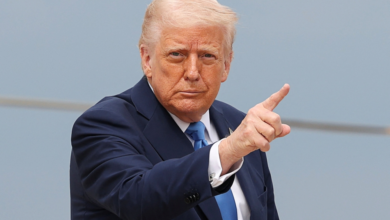
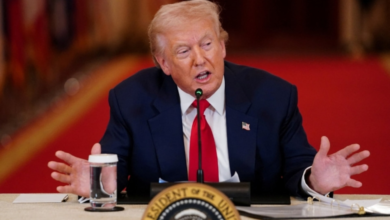
This significant announcement came at the start of a Cabinet meeting at the White House, where Trump revealed details of a phone call he had just had with Delcy Rodríguez, whom he referred to as the “interim president of Venezuela.” The US president confirmed that he had informed the new Venezuelan leadership of Washington’s decision to lift the air embargo and fully resume commercial flights, reflecting the US administration’s desire to accelerate the normalization of the situation.
Immediate directives to the Ministry of Transport
In the context of the immediate implementation of the decision, Trump explained that he had issued direct instructions to Transportation Secretary Sean Duffy, as well as military leaders and other relevant parties, to work towards implementing this decision as quickly as possible. Trump stated decisively, “I would like the airspace over Venezuela to be opened by the end of the day, if possible,” indicating American confidence in the stability of the current security situation.
Background of the air isolation and history of the crisis
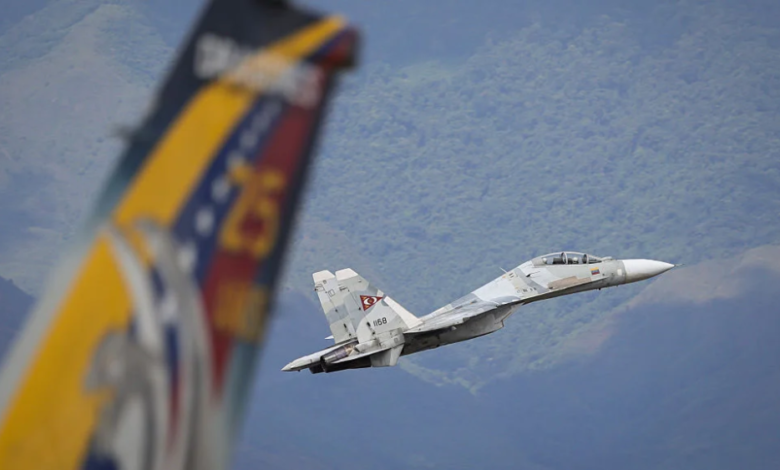
This decision ends a long period of Venezuelan air isolation. For many years, the U.S. Federal Aviation Administration (FAA) prohibited U.S. commercial aircraft from flying over Venezuelan airspace due to safety concerns and the country's unstable political situation. This ban, coupled with crippling economic sanctions, brought Venezuela's air transport sector to a near standstill, isolating the country from its regional and international environment and exacerbating its humanitarian and economic crisis.
The economic and political dimensions of the decision
The decision to reopen the airspace carries profound political and economic implications that go beyond simply the return of aircraft:
- On the economic front, this decision paves the way for major international airlines to resume operations at Venezuelan airports, which will help revitalize trade and tourism. It also represents a lifeline for the large Venezuelan community in the United States, particularly in Florida, facilitating easier contact with their families.
- On the political level: This measure is a practical American recognition of the stability of the new regime led by Rodriguez, and a message of reassurance to the international community that Venezuela is now safe for investment and transit.
- Regionally: This decision is expected to help ease tensions in Latin America and reintegrate Venezuela into the continent's economic system after years of isolation.
Observers believe that the speed with which this decision was made reflects the Trump administration's desire to deliver quick and tangible gains to the Venezuelan people following the recent political change, to ensure the success of the transitional phase and avoid any slide into chaos.